What Causes Glymphatic Dysfunction in Adults?
A brain that never gets enough deep sleep does not simply feel tired the next day. It may lose valuable time for its built-in cleanup process. When people ask what causes glymphatic dysfunction, the answer is rarely one isolated problem. It is usually a pileup of disrupted sleep, aging, blood-vessel stress, inflammation, injury, and daily habits that gradually make the brain less efficient at clearing its own metabolic waste.
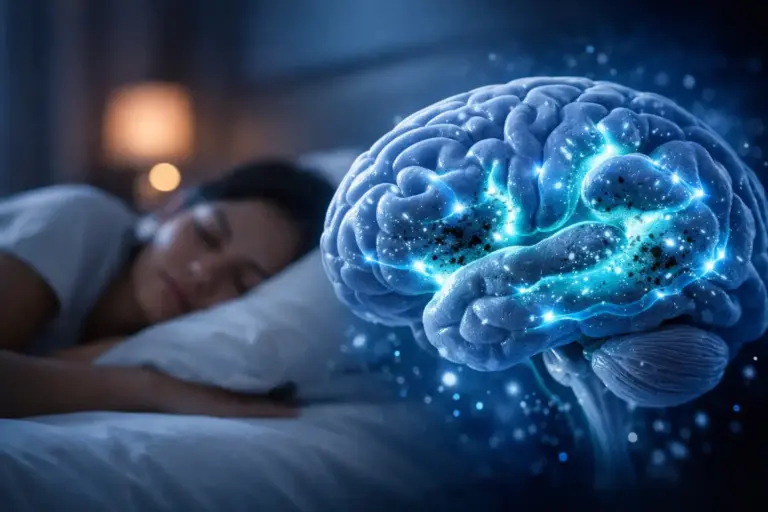
The glymphatic system is the brain’s clearance network. During sleep, especially slow-wave deep sleep, cerebrospinal fluid moves through spaces around blood vessels and helps carry away proteins, cellular debris, and other byproducts of brain activity. This system has changed how researchers think about sleep: rest is not passive downtime. It is a critical maintenance window for the brain.
When that maintenance window is repeatedly compromised, the consequences can reach far beyond morning grogginess. Brain fog, slower recall, headaches, mood changes, poor focus, and reduced resilience can all overlap with the same upstream pressures that impair glymphatic flow. Symptoms are not a diagnosis, and they have many possible causes. But the glymphatic system deserves attention because it sits at the intersection of sleep, circulation, aging, and long-term neurological health.
What Causes Glymphatic Dysfunction?
Glymphatic dysfunction means the brain’s waste-clearance pathways may be moving fluid less effectively, clearing material less efficiently, or losing the conditions they need to work well. Research is still evolving, and scientists are actively refining how this system functions in humans. Yet several major disruptors are already clear enough to take seriously.
Chronic sleep loss and fragmented sleep
Deep, consolidated sleep is the glymphatic system’s prime working shift. Short sleep cuts into that shift. Fragmented sleep can be just as disruptive, even when someone spends eight hours in bed.
Sleep apnea is a major concern because repeated breathing interruptions can lower oxygen, trigger stress responses, and break up normal sleep architecture. Insomnia, restless legs, frequent nighttime urination, chronic pain, and an irregular sleep schedule can produce a similar result: less time in the deeper stages of sleep associated with brain recovery.
Alcohol can also create a misleading pattern. It may make falling asleep feel easier, but it commonly fragments the second half of the night and reduces restorative sleep quality. Sedating medications may help some people under medical guidance, but sedation is not always the same as normal, healthy deep sleep. The tradeoff matters.
Aging and changes in brain circulation
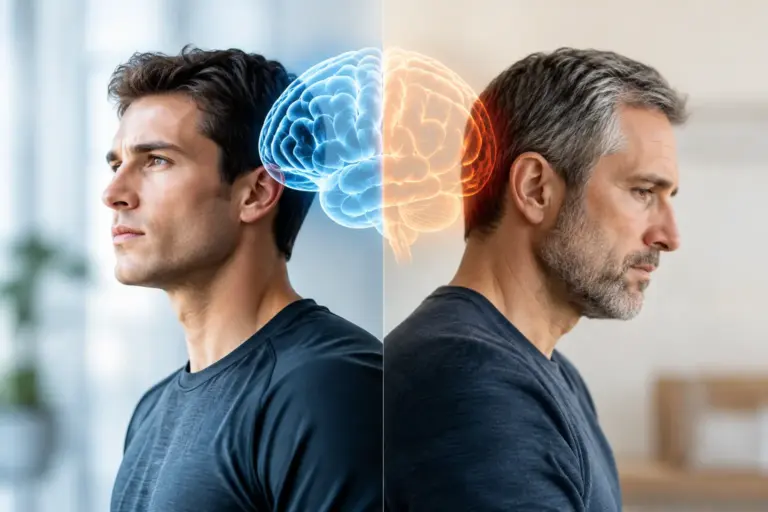
Aging is not a failure of willpower. It is one of the strongest background factors in glymphatic decline. As people get older, sleep often becomes lighter and more interrupted. Blood vessels can become less flexible, arterial pulsation can change, and the cellular systems that regulate fluid movement may become less efficient.
That matters because glymphatic flow is closely tied to the brain’s vascular environment. The pulse of blood through arteries helps drive fluid exchange around them. When vascular health is compromised, the cleanup environment may be compromised as well.
High blood pressure, insulin resistance, diabetes, smoking, inactivity, high cholesterol, and chronic kidney or cardiovascular disease all deserve attention in this context. These conditions do not guarantee neurological decline. But they can raise the biological burden on a system that depends on healthy vessels, steady oxygen delivery, and reliable sleep.
Head injury, concussion, and traumatic brain injury
A concussion can be called mild, but its effects on brain function are not always minor. Head impacts may disrupt blood-brain barrier integrity, trigger inflammation, alter sleep, and affect the perivascular spaces involved in glymphatic drainage.
People with a history of repeated head impacts, sports concussion, military blast exposure, falls, or traumatic brain injury should be especially deliberate about recovery. New or worsening symptoms after a head injury – including severe headache, confusion, vomiting, weakness, speech changes, or unusual drowsiness – require prompt medical evaluation. Brain health education is not a substitute for acute care.
The longer-term issue is that injury can create a difficult cycle. Poor sleep can impair recovery, while pain, anxiety, and inflammation after injury can make restorative sleep harder to achieve. Breaking that cycle is often more useful than searching for one magic intervention.
Inflammation, infection, and metabolic strain
The brain is not sealed off from the rest of the body. Chronic inflammation, obesity, metabolic dysfunction, autoimmune activity, and persistent stress signals can all influence sleep, blood vessels, and immune activity in the brain.
Researchers are also studying why some people experience cognitive symptoms after viral illness, including long COVID. Brain fog after infection can involve many mechanisms, from sleep disruption and inflammation to autonomic changes and mood effects. Glymphatic impairment is a plausible area of investigation, but it should not be treated as the sole explanation for every post-viral cognitive symptom.
Migraines offer another example of complexity. Sleep changes can trigger migraines, and migraine biology involves vascular, inflammatory, and neurological factors. For people living with frequent migraines, addressing sleep consistency and medical triggers may support overall brain recovery, even though no single strategy works for everyone.
Stress, circadian disruption, and modern sleep habits
The glymphatic system operates on a schedule, and modern life is exceptionally good at wrecking schedules. Shift work, jet lag, late-night screens, irregular bedtimes, bright light at night, and early alarms can push the circadian clock out of alignment.
Chronic stress adds another layer. A constantly activated nervous system makes it harder to fall asleep, stay asleep, and spend enough time in deeper sleep stages. Many adults try to solve this with a weekend sleep-in, but sleep debt is not always erased in two mornings. Consistency is more powerful than occasional catch-up.
Sleep position may matter too. Animal research suggests side sleeping may support glymphatic transport better than some other positions, but human evidence is not strong enough to turn this into a rigid rule. If side sleeping is comfortable and safe for you, it is a reasonable habit to consider. If it worsens pain or reflux, prioritize sustainable sleep over perfection.
Why Glymphatic Dysfunction Matters for Brain Aging
The glymphatic system has drawn intense attention because of its possible connection to proteins involved in neurodegenerative disease, including amyloid-beta and tau. Poor clearance is not the same thing as Alzheimer’s disease, Parkinson’s disease, or another neurological disorder. These conditions are complex and shaped by genetics, age, vascular health, immune activity, environment, and more.
Still, the implication is urgent: the habits and health conditions that repeatedly interfere with the brain’s overnight cleanup may also weaken neurological resilience over time. You do not need to wait for a diagnosis to take sleep, circulation, and recovery seriously.
This is especially relevant for adults who notice that their mental sharpness now depends heavily on sleep quality. Forgetting a word after a bad night is common. Persistent cognitive changes, getting lost in familiar places, major personality changes, or difficulty managing daily tasks deserve a clinician’s assessment rather than self-treatment alone.
Supporting the Conditions for Brain Cleanup
The goal is not to chase a perfect sleep score. It is to reduce the biggest obstacles to deep, regular recovery. Start with a stable wake time, then build a bedtime that allows enough sleep opportunity most nights. Keep the bedroom dark, cool, and quiet. Get morning daylight, move your body regularly, and avoid using alcohol as a sleep tool.
If snoring, gasping, morning headaches, dry mouth, or daytime sleepiness are part of your life, ask a healthcare professional about sleep apnea screening. Treating a sleep disorder can be far more meaningful than adding another wellness ritual.
Vascular protection belongs in the same conversation. Monitor blood pressure, manage blood sugar, eat in a way that supports metabolic health, and work with your clinician on medications rather than stopping them abruptly. For those navigating concussion recovery, chronic migraines, long COVID symptoms, or progressive memory concerns, individualized medical guidance is essential.
The brain’s cleanup system does not need fear. It needs conditions that let it do its job: deep sleep, healthy circulation, thoughtful recovery, and less repeated strain. Every night you protect is a practical investment in the brain you rely on every day.