The Glymphatic System
Hailed as the “Breakthrough of the Year” by Science Magazine, the brain’s natural waste clearance system was discovered at the University of Rochester Medical Center.
The glymphatic system may be one of the most important recent discoveries in brain science, with research linking impaired function to more than 25 neurological conditions.
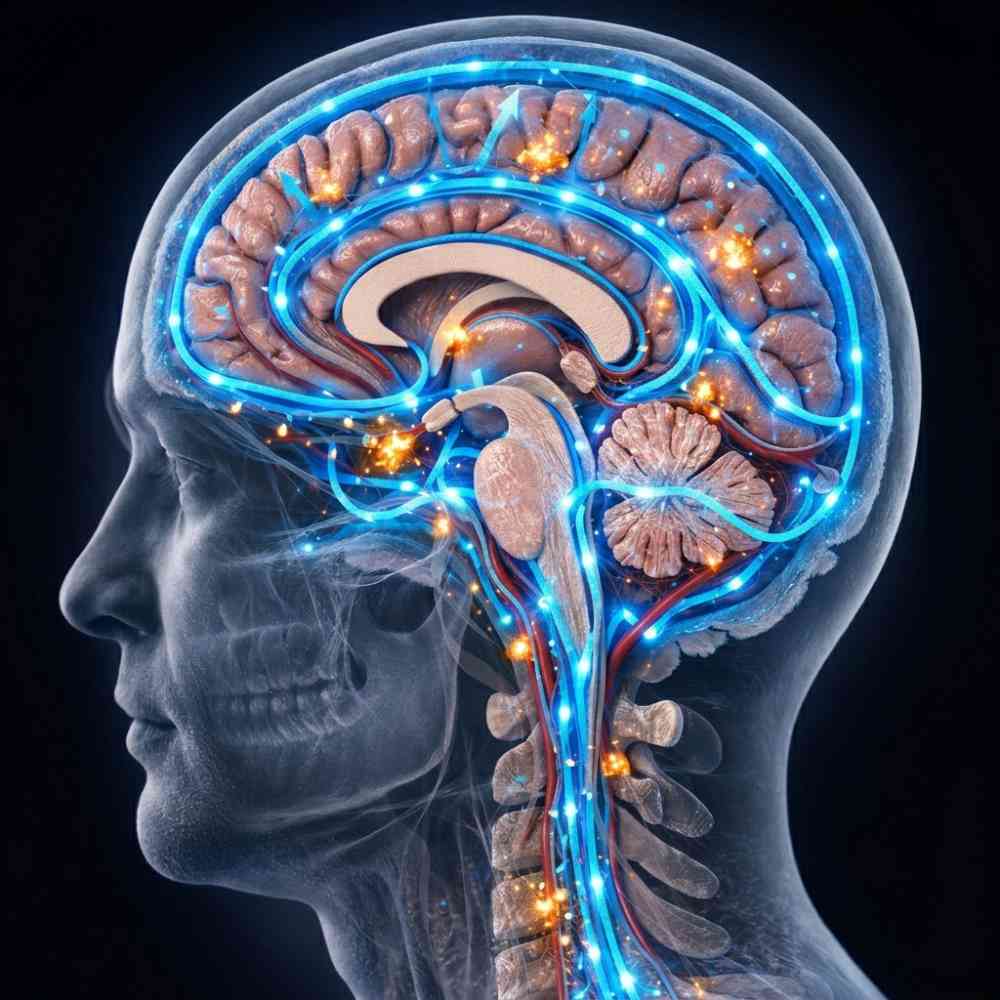
Normal Glymphatic System
Efficient waste clearance during deep sleep
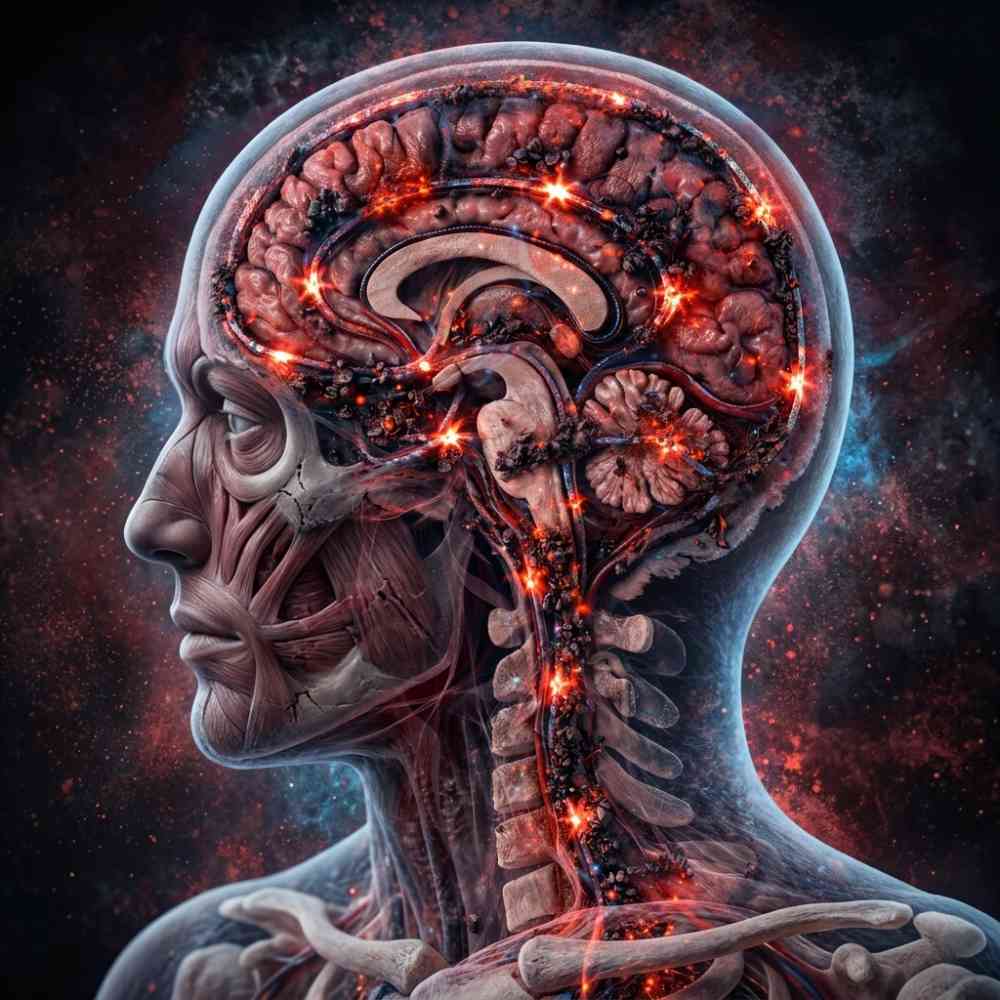
When the system slows down or stops
Toxin accumulation linked to 25 neurological issues
What is the Glymphatic System?
For thousands of years, no one knew that the glymphatic system existed in the brain. The glymphatic system is still a relatively new area of neuroscience, and many medical professionals and neurologists are only beginning to learn how important it may be to overall brain health. That is why Hailed as the “Breakthrough of the Year” by Science Magazine.
The glymphatic system uses cerebrospinal fluid (CSF) to flush out toxins, metabolic waste, and harmful proteins through pathways alongside blood vessels and the lymphatic system. When the glymphatic system slows or becomes impaired, toxic waste accumulates in the brain. This dysfunction is now linked to 25 neurological and cognitive conditions. The glymphatic system is like the brain’s natural cleaning and drainage system. It’s new to the medical world and helps explain why, over time, the brain can accumulate waste, especially as we age or after exposure to stress, chemicals, Inflammation, long-term COVID, vaccinations, stomach problems (unfortunately, the damage is already done after the inflammation), or head injuries.
Over 1,200 Researchers are now studying how reduced glymphatic function may be connected to more than 25 neurological and cognitive conditions, including Alzheimer’s, Parkinson’s, brain injury, sleep disorders, dementia, etc. Only one group in Japan restored the glymphatic system, and that became the basis for the My Brain Restore product.
The glymphatic system works most actively during deep sleep, when brain cells shrink slightly and waste-removal channels expand, allowing fluid to flow freely and remove accumulated waste, including amyloid-beta and large tau proteins. Without the glymphatic system working, cleaning and draining the brain and removing accumulated waste, including amyloid-beta, tau proteins, etc., things get worse month by month as the brain’s cognitive conditions worsen, including Alzheimer’s, Parkinson’s, brain injury, sleep disorders, dementia, etc.
Only one natural product supports the Glymphatic system®.
The brain’s natural cleaning system can only be supported at this time by a unique plant seed preserved through Ultra Chill Milled® technology—designed to help the glymphatic system work as it was meant to.
Why It Matters
Research involving a Natural botanical ingredient has generated significant scientific interest, including animal studies exploring its potential role in supporting neurological health and the brain’s natural waste-clearing processes with a unique plant seed preserved through proprietary Ultra Chill Milled® technology, designed to help support healthy glymphatic system function.
Today, this natural, non-GMO approach is being used by individuals (3% of subscribers are, in fact, doctors) seeking to support brain health amid aging, stress, environmental exposure, inflammation, and everyday cognitive demands, as well as highly advanced cognitive functions.
Its growing interest comes from its plant-based origin, low side-effect profile, and focus on supporting one of the brain’s most important maintenance systems, the glymphatic system.
My Brain Restore® the only product that supports the Glymphatic system
Conditions Linked to Glymphatic Dysfunction
Alzheimer’s Disease
Buildup of amyloid-beta and tau proteins due to poor clearance.
Parkinson’s Disease
Accumulation of alpha-synuclein affecting movement.
Dementia (incl. Alzheimer’s ~70%)
General cognitive decline tied to reduced brain cleaning.
Traumatic Brain Injury (TBI), Concussions & Chronic Traumatic Encephalopathy (CTE)
Sports, military, and accident-related injuries.
Balance, Strength & Brain Function
Aging or The beginnings of many neurological issues
Sleep Disorders
Chronic sleep deprivation and Sleep Apnea severely impair glymphatic flow.
Aging-Related Decline
Natural slowing of the system with age.
Gaming Brain Fog & Cognitive Fatigue
Including study and gaming fatigue.
Huntington’s Disease
Protein accumulation in the brain.
ALS
Emerging research connections.
Multiple Sclerosis (MS)
Chronic inflammation and clearance issues.
Stroke Recovery
Complications and slow recovery.
Normal Pressure Hydrocephalus (NPH)
Fluid dynamics disruption.
Microplastics Accumulation
Environmental toxins trapped in brain tissue.
COVID, Brain Fog & Supporting Brain Recovery
Long-Term COVID Brain Fog, Covid immunizations and Lyme disease
Migraine Disorders
Migraine Disorders & Glymphatic System Research
Note: Over 1,200 scientific reports explore the glymphatic system. This is a summary of major associated conditions.
Learn more about the only product that supports the Glymphatic system®
How to Support Your Glymphatic System
My Brain Restore the only product that supports the climactic system
Research-backed lifestyle factors that may help improve glymphatic function:
- My Brain Restore, which uses Pure and rare ultra-chill milled pure Ziziphus, targets the glymphatic system support. It’s key in the first balanced step
- Quality Deep Sleep — Important factor (right side sleeping may help in some studies)
Quality sleep is important because the glymphatic system—the brain’s natural cleaning process—is most active during deep sleep.
Some people choose to use specially formulated, non-prescription sleep gummies as part of their nightly routine to support longer, more restful sleep. Better sleep may help the brain maintain its normal waste-clearing activity over extended periods. While we do not sell these gummies ourselves, we can share info on products that some users have personally reported working well alongside My Brain Restore® as part of their overall sleep and recovery routine.
- A wedge pillow with a slight incline while sleeping helps the glymphatic system work when you’re sleeping by helping the drainage system work more efficiently while using My Brain Restore®
Because the glymphatic system is being studied in relation to many neurological conditions, individuals’ responses may vary depending on the severity and type of issue involved.
Many people using My Brain Restore® report improvements in balance, coordination, strength, and mental clarity within the first 4 months of consistent use.
In my personal experience, changes related to tremors took much longer and continued improving gradually over more than a year. These observations suggest that supporting the brain’s natural clearing system may affect different functions at different rates over time.
“Support your brain before problems start.” My Brain Restore® may also be used as a preventative wellness approach to support healthy glymphatic system function and cognitive performance over time.
The Science Behind the Discovery
The “newly” discovered glymphatic system has led many scientists to believe that understanding how the brain maintains itself under normal, healthy conditions is essential to developing better approaches for neurological diseases, especially those involving the buildup of abnormal or misfolded proteins, such as Tau, or trauma. The Glymphatic system is behind all of this.
Earlier theories suggested that the brain clears waste through the slow movement of fluids and dissolved substances between interstitial fluid and cerebrospinal fluid, primarily by diffusion. However, given the brain’s size and complexity, diffusion alone is unlikely to fully explain how this tightly controlled internal environment is maintained.
The glymphatic system was discovered by Danish neuroscientist Dr. Maiken Nedergaard, Dr. Jeffrey Iliff, and her colleagues at the University of Rochester Medical Center, and the previous owner of Glymphatic.com
It was hailed as the “Breakthrough of the Year” by Science Magazine, but there’s an extremely good chance your doctor has never read it because, let’s face it, they have 7 minutes with you and little time for research. What we talk about here is the cutting edge of science and groundbreaking medical research.
The video by Danish neuroscientist Dr. Maiken Nedergaard below is highly scientific, or watch our easy-to-understand overview video on this page, called “Glymphatic made simple.”
Explore Dr. Maiken Nedergaard’s Official Research
However, another study done at a Japanese Medical university was able to cure mice of Parkinson’s, Alzheimer’s, and dementia. But they studied only 3 of the 25 different Glymphatic system diseases. However, their research led to the complete cure of Alzheimer’s, Parkinson’s, and dementia in mice. Mice’s and, in this case, humans’ glymphatic system is extremely similar. Now in my opinion and understanding the Dutch scientist at Rochester university and the Japanese scientists were never in the same room and I realized they had discovered the same thing from different points of view, a decade apart, but nevertheless a powerful and completely different way to look at how neurological diseases get stuck in the brain and how to get them unstuck by supporting the glymphatic system to the exact same base ingredient the Japanese used and their experiments.
The study used natural, organic, non-GMO plant seed, which is a unique subspecies of Ziziphus. (Don’t worry, I had never heard of that plant either) This was amazing, but they couldn’t turn it into a big pharma drug because they couldn’t isolate its components or determine “how” it worked.
According to discussions surrounding Japanese research, the botanical ingredient showed enough promise that some researchers believed it might be better suited as a natural supplement rather than a traditional pharmaceutical drug. Because the ingredient comes from a natural plant seed and is processed in a very specific way, it fits more within the category of a botanical wellness product rather than a synthetic medication.
What also made the research unique was that only a very specific cultivar of the plant appeared to produce the desired effects. Other varieties did not appear to perform at all, highlighting the importance of the source material and processing method.
This led to the development of My Brain Restore’s proprietary Ultra Chill Milled® process, designed to preserve the delicate natural compounds believed to support healthy glymphatic system function.
Learn more about the only product that supports the Glymphatic system®
From Discovery to Real-World Application
So, it was taken on by APDI, Inc. (Alzheimer’s Parkinson’s dementia impaired). APDI. Inc to create a unique, trademarked method of isolating and naturally preserving components called Ultra Chill Milled®. This made the product https://mybrainrestore.com as pure as possible while preserving all the components that support the glymphatic system.
Learn more about the only product that supports the Glymphatic system®
As with many emerging discoveries, it can take time for new concepts to become widely understood and integrated into everyday clinical practice. In the meantime, we need to do everything we can to support the glymphatic system and prevent the problems it can protect against from worsening. As for me, writing this, I had Parkinson’s and Alzheimer’s, and I wanted to be able to fix my Glymphatic system as soon as possible and not wait 10 years for it to get worse. The goal was to produce a product that works, not cost hundreds of thousands of dollars like drugs, and has minimal or no side effects, unlike drugs, which have serious side effects
Current treatments for neurological conditions like Parkinson’s and others are primarily designed to manage symptoms, not address underlying causes, or restore full function. And they come with a mountain of side effects. The oldest being drugs like Cordoba (plant-based from India over a 100 years ago), which have been handed out by doctors since the 1960s. That’s what I was given, and that didn’t work, and I was told that even if it did, it wouldn’t work forever, eventually, and has what some doctors call, in the background, a honeymoon effect; it sort of loses benefits over time.
There has been significant focus on developing a product that supports the natural glymphatic system, and we have observed measurable changes through personal tracking, blood work, and ongoing research. As this field continues to evolve, we believe supporting the brain’s ability to maintain balance and clear waste may play the most important role in long-term neurological health.
The glymphatic system works mostly while you sleep, flushing out waste and toxins that build up in the brain during the day, like a nightly “rinse cycle.” Some scientists go as far as to call it “the dishwasher of the brain”. When the Glymphatic system doesn’t work efficiently, and for many people, it slows down over time, waste can begin to build up in the brain. This buildup may contribute to a range of neurological challenges, especially as we age or after stress, injury, or environmental exposure (chemicals such as weed killers, working on farms, working in industrial areas, brake cleaner fluid, and even air pollution, impossible to avoid). Keeping in mind that when exposed very young to chemicals like I was, being born at Camp Lejeune, where Parkinson’s is 70% higher than at any other base the government has tested, and came from the chemicals TCE and PCE. The dry-cleaning industry has a 500% higher rate of Parkinson’s.
Don’t stand alone in this, even Michael J Fox, I believe, said that he believed he got his Parkinson’s on movie sets, where they would throw powders in your face, explode things, and he got it at age 29. I was even having it at the same age, but no one could tell me what it was; it was early-onset Parkinson’s.
How Do You Support the Glymphatic System?
The key question becomes: how do you support the brain’s ability to clear itself? The only product in the world right now that supports the glymphatic system® is, in fact, www.mybrainrestore.com . In my case, I take the 2X active formula every day, and it has been a game-changer.
An extremely scientific discussion by the researcher who discovered the glymphatic system.
Simple Guide to the Glymphatic System
Advanced Glymphatic System Analysis
Most people have at least heard of the lymphatic system. For example, when you get strep throat, the glands in your neck (lymph nodes) often swell up. That’s a sign your body is working to fight off infection. That is the lymphatic system at work, acting as a drainage and filtration system that helps remove waste and germs from the body.
The analogy here is the same as with the glymphatic system: it gets overloaded with substances such as man-made chemicals, microplastics, and inflammation from various diseases or even immunizations.
When the lymphatic system is overwhelmed, the lymph nodes can swell and work less efficiently. In cases such as bacterial infections and swollen lymph nodes, treatments like antibiotics can help the body clear the infection and restore the system to normal.
However, until now, there has been no support system for the Glymphatic system, and antibiotics don’t work at all to address the problems. But where there’s a problem, there’s an answer, right?
The lymphatic system was formally discovered in 1622 by Italian physician Gaspare Aselli, who identified it as “milky veins”.
In contrast, the Glymphatic system was discovered only about 400 years later, in 2012, by Danish neuroscientist Dr. Maiken Nedergaard, Dr. Jeffrey Iliff, and their colleagues at the University of Rochester Medical Center, making it relatively new to science and not studied at all until then; in fact, no one knew it existed.
The term “glymphatic” was coined by Maiken Nedergaard to recognize its dependence on glial cells in the brain and its functional similarity to the peripheral lymphatic system. So glial lymphatic became Glymphatic. My Brain Restore® is the only product that supports the Glymphatic System®, and that’s just one reason it’s registered with the US Patent and Trademark Office.
A unique Ziziphus plant seed (Don’t worry, I had never heard of it before I studied to cure my own Parkinson’s and Alzheimer’s) is ground using ultra-chilled milled® technology, which clinical research has shown can help address declines in 24 forms of brain dysfunction. This unique plant cultivator (over 100 exist, or over 700, another research says, and only one works)
Learn More About the Glymphatic System
What the Glymphatic System Does When Healthy
What The Glymphatic system is supposed to do when not damaged or impaired
- Clears out waste (including harmful proteins linked to memory problems and 25 other neurological issues)
- Delivers nutrients like glucose and amino acids.
- Helps keep the brain balanced and functioning properly.
Chronic pain may be caused by problems with support cells in the nervous system (called glial cells) not working properly. When these cells become unbalanced or “out of sync,” they can contribute to ongoing pain signals in both the brain and the rest of the body. Researchers are continuing to study this to better understand how it works and what can be done about it.
Clears the cells so they can go back to making dopamine and be responsive to the body’s messaging systems for dopamine balance. Clears amyloid beta from the brain (Alzheimer’s) and moves it into the bloodstream, where it can be broken down by the liver. Proved by the amyloid beta ratio blood test. And I am the first person in the world, according to Google and my neurologist, who has ever changed the ratio in my favor by not just 1% but so far by 20%, and probably by the end of 2026, completely eliminating the bad ratio, which is the gold standard for determining if someone has Alzheimer’s.
Why It’s Important
If this system doesn’t work well, waste can get “stuck” in the brain.
Researchers believe this may play a role in:
- Memory decline
- Most Aging-related brain issues
- Effects from head injuries
The combination of taking my brain restore in the afternoon or evening before going to bed works best when you’re asleep and using products that support the glymphatic system.
When you’re awake, it slows down, so if sleep is poor, waste can build up even faster. However, my brain restore can work even if the person has minimal sleep, but it may take longer to restore and or repair.
Learn more about the only product that supports the Glymphatic system®
What Goes Wrong? The Vicious Cycle
- Brain cells continue to get damaged.
- This triggers glial cells to become even more active
- The overactive glial cells can contribute to further imbalance.
“In neurological conditions, brain support cells may become overactive and inflamed, contributing to ongoing damage instead of protection.”
When this imbalance continues, harmful substances may build up, and brain cells responsible for dopamine production (important for movement and coordination) can be affected.
This pattern is being studied across multiple neurological conditions including Alzheimer’s disease, dementia, traumatic brain injury, stroke recovery, and other disorders where waste clearance and inflammation regulation in the brain may be disrupted.
Once this cycle begins, it may continue unless underlying contributing factors are addressed and better balance is restored.
The glymphatic system is a brain-wide waste-clearance pathway that removes metabolic waste from the brain. It is most active during sleep and relies on specialized channels (including aquaporin-4 in astrocytes) to help move fluid and clear waste products.
Research is ongoing to understand how glymphatic function may be involved in neurodegenerative processes and how it changes with aging, sleep quality, and brain injury.
Scientific Research Overview
The glymphatic system is a brain-wide waste-clearance pathway that removes extracellular tau protein. Impairments in this system have been studied in relation to tau accumulation, protein aggregation, and neurodegenerative changes. It is considered most active during sleep and involves fluid exchange between cerebrospinal fluid (CSF) and interstitial fluid (ISF) through astrocytic aquaporin-4 (AQP4) channels.
Research suggests that reduced clearance efficiency may be associated with aging, brain injury, and neurodegenerative conditions.
The onset and progression of Alzheimer’s disease have been studied in relation to impaired waste clearance mechanisms. Neuropathological features such as amyloid-beta plaques and tau tangles are key areas of ongoing research. One major hypothesis involves imbalance between production and clearance of amyloid-beta over time.
Scientific literature continues to explore how glymphatic dysfunction, perivascular space changes, and impaired clearance pathways may contribute to disease progression.
Associated scientific reviews include:
- Frontiers: Glymphatic system and brain waste clearance research
- Studies on tau protein clearance and neurodegeneration pathways
- Imaging research using DTI-ALPS methods to assess glymphatic activity
Learn more about the only product that supports the Glymphatic system®
Alzheimer's Cognitive Issues Aging-Related Decline
In short, Mark Burnett, the President of APDI, Inc ( Alzheimer’s Parkinson’s and dementia Impaired), makers of My Brain RestoreTM and MBR products, not only had Alzheimer’s, but I also had the APOE4 gene (other people can have multiple genes, making Alzheimer’s even more susceptible). However, even having one gene gave me Alzheimer’s at an advanced level. I was able to improve my beta amyloid blood testing, which is the gold standard for Alzheimer’s, by 20% after taking ultra chill mild Ziziphus (www.mybrainrestore.com ) for 14 months, making Mark Burnett (President of APDI, Inc. the first human to reverse Alzheimer’s in the world. All tests were performed by Quest Diagnostics, and the lab results are available to the public at my www.mybrainrestore.com under My Journey. I predict by the end of 2026, Alzheimer’s in me will be completely eliminated from an amyloid beta test capability, meaning essentially if I were to walk into another doctor and get that test done, the doctor would say you do not have Alzheimer’s because the tests came back in the green and you show no markers for it… Isn’t that what we all want? But it also shows that the Glymphatic system is functioning, meaning the 23 other diseases are going down the drain just as well, if not better. Because we proved the point that the my brain restore product supports the glymphatic system to get back to work.
The glymphatic system is a brain-wide waste-clearance pathway that removes extracellular tau protein; dysfunction leads to tau accumulation, propagation, and neurodegeneration. Active primarily during sleep, this system uses aquaporin-4 (AQP4) channels on astrocytes to move cerebrospinal fluid (CSF) and interstitial fluid (ISF), flushing out tau. Impairment of this system, common in aging or after brain injury, accelerates Alzheimer’s disease pathology.
The onset and progression of AD are closely linked to the impairment of the glymphatic system. This theory not only deepens our understanding of AD pathogenesis but also highlights new therapeutic targets for its treatment (Silva et al., 2021). The representative neuropathological changes of AD include the formation of p-tau, Aβ plaques, and neurofibrillary tangles which leads to irreversible cognitive damage (Simon et al., 2022). The key issue in AD development is the imbalance between Aβ production and clearance (Zeppenfeld et al., 2017). AD patients have a slower rate of Aβ clearance, while Aβ production remains similar (Li et al., 2024). The disruption of the glymphatic system is linked with an abnormal size of PVS, and in turn, impairs Aβ clearance, leading to the development and progression of AD (Ang et al., 2024; Park et al., 2024).
The glymphatic system clears extracellular tau and protects from tau aggregation and neurodegeneration. And only one product supports the glymphatic system.
Associated scientific articles about the role of the glymphatic system and these issues:
Frontiers | Glymphatic system: a self-purification circulation in brain
Parkinson’s Disease Research Context
In Parkinson’s disease, research has focused on the accumulation of misfolded proteins such as alpha-synuclein and their relationship to brain clearance mechanisms.
The glymphatic system is being studied as a potential pathway involved in the clearance of these proteins. Impaired function has been associated in research with protein accumulation and dopaminergic neuron degeneration.
Advanced imaging techniques, including diffusion tensor imaging analysis of perivascular spaces (DTI-ALPS), are being used to study glymphatic function in vivo across multiple neurological conditions.
Parkinson's Disease & the Glymphatic System
In Parkinson’s disease, research has focused on the accumulation of misfolded proteins such as alpha-synuclein and their relationship to brain clearance mechanisms. The glymphatic system is being studied as a potential pathway involved in the clearance of these proteins. Impaired function has been associated in research with protein accumulation and dopaminergic neuron degeneration.
Advanced imaging techniques, including diffusion tensor imaging analysis of perivascular spaces (DTI-ALPS), are being used to study glymphatic function in vivo across multiple neurological conditions.
The glymphatic system’s influence on α-synuclein propagation dynamics suggests that dysregulation of the AQP4 complex might contribute to glymphatic impairment associated with Parkinson’s disease. This highlights the importance of further mechanistic investigation of the glymphatic system in the context of PD. Research in this area is ongoing, focusing on how impaired clearance pathways in the brain may influence protein aggregation and neurodegenerative
Parkinson's Scientific Research & References
Associated scientific articles about the role of the glymphatic system and Parkinson’s:
- Nature Article on Glymphatic Research
- Springer Neurology Study
- PMC: Glymphatic System in Neurodegeneration
- Science: Glymphatic Failure and Dementia Risk
Large-scale imaging studies (including MRI datasets from population biobanks) have identified potential biomarkers associated with glymphatic function and brain waste clearance efficiency in aging populations.
Researchers have proposed that reduced glymphatic activity may be associated with increased risk factors for cognitive decline, including sleep disruption and cardiovascular health changes that influence brain fluid dynamics.
The glymphatic system is a brain clearance pathway that uses cerebrospinal fluid (CSF) movement along perivascular spaces to help remove metabolic waste products. It has been studied in relation to sleep, brain injury recovery, and neurodegenerative disease mechanisms.
Recent studies suggest possible associations between impaired clearance systems and increased risk of conditions such as dementia, including Alzheimer’s disease and Lewy body dementia.
Key research areas include:
- Traumatic Brain Injury (TBI)
- Chronic Traumatic Encephalopathy (CTE)
- Concussions (sports, military, accidents)
- Head Acceleration Events (HAE)
These conditions are studied across populations exposed to repeated head impact or neurological stress, including athletes, military personnel, and individuals involved in accidents or falls.
Learn more about the only product that supports the Glymphatic system®
Dementia (various types)
Glymphatic failure as a final common pathway to dementia (Science, Vol. 370, No. 6512
MRI scans from nearly 40,000 people revealed biomarkers, analysis reveals. It points to why so many people get dementia of many different types, including dementia with Lewy Bodies (LBD).
The brain’s built-in clearance system, called the glymphatic system, removes toxins from the brain through the flow of cerebrospinal fluid (CSF) via minuscule channels that trace blood vessels. Scientists have suspected that the glymphatic system may play a role in processes such as sleep and recovery from traumatic brain injury.
Now, researchers led by Hugh Markus, a neurologist at the University of Cambridge, used data from the massive UK Biobank resource and found a link between reduced glymphatic function and increased risk of dementia. Their findings, published in Alzheimer’s & Dementia: The Journal of the Alzheimer’s Association, highlight why impaired cardiovascular function—which is closely tied with the glymphatic system—and poor sleep associate with dementia risk
Learn more about the only product that supports the Glymphatic system®
Traumatic Brain Injury (TBI) & Chronic Traumatic Encephalopathy (CTE). Concussions
Since the glymphatic system was named in 2012, a growing body of scientific literature has explored its potential connection to traumatic brain injury (TBI). The glymphatic system is a brain-wide fluid transport pathway that facilitates exchange between cerebrospinal fluid (CSF) and interstitial fluid (ISF), with drainage into meningeal and cervical lymphatic structures.
According to research summarized by the National Institutes of Health, this system is considered important for clearing metabolic waste from the brain and maintaining internal neurological balance.
Studies suggest that disruption of glymphatic flow following traumatic brain injury may reduce clearance efficiency and contribute to the accumulation of proteins such as amyloid-beta and tau, which are commonly studied in neurodegenerative conditions.
Following TBI, research indicates that glymphatic function may be significantly reduced, potentially increasing vulnerability to post-injury biochemical changes and neural stress responses.
In broader terms, repeated head impacts—even those that do not result in a formally diagnosed concussion—are being studied for their potential cumulative effects on brain function over time.
Head Impacts and Long-Term Brain Health
Repeated impacts to the head, sometimes referred to in research as Head Acceleration Events (HAE), are being investigated for their relationship to cognitive, behavioral, and neurological changes.
These effects have been studied across populations involved in contact sports, military exposure, accidents, and other high-impact environments.
Some research areas explore potential associations between repeated head trauma and long-term neurological outcomes, including memory changes, mood regulation, and increased risk factors for neurodegenerative conditions.
In certain cases, long-term exposure to repeated head impacts has been studied in relation to conditions such as chronic traumatic encephalopathy (CTE), ALS, and dementia-related syndromes. However, research in this field is ongoing and continues to evolve.
Scientific References
Associated scientific articles about the glymphatic system, TBI, and related research include:
- PubMed: Glymphatic system and brain injury research
- NIH/PMC: Glymphatic dysfunction after brain injury
- Nature: Neuroinflammation and brain clearance systems
- Johns Hopkins-associated TBI glymphatic review
- PMC: Glymphatic and meningeal lymphatic system interactions
Emerging research continues to investigate how glymphatic function and meningeal lymphatic pathways may interact in brain injury recovery and long-term neurological health outcomes.
Microplastics & Brain Health Research
Associated with: Worldwide environmental exposure concerns, including inhalation, ingestion through food and water, and broader environmental contamination. Microplastics are increasingly detected across ecosystems globally.
The glymphatic system is a brain-wide waste clearance pathway that helps transport cerebrospinal fluid (CSF) through paravascular spaces and supports the removal of metabolic waste from the central nervous system (CNS). Research is exploring how environmental factors may influence this system.
Recent scientific studies are investigating whether microplastics, particularly nanoplastics, may interact with biological systems in ways that could influence cellular stress, inflammation, and waste clearance pathways in the brain.
The glymphatic system consists of paravascular channels that allow cerebrospinal fluid (CSF) to move into brain tissue and exit through venous drainage pathways. This system is being studied for its role in maintaining CNS homeostasis and waste clearance efficiency.
Microplastics may enter the body through inhalation, ingestion, and other environmental exposure routes. Research is ongoing to understand how these particles behave once inside biological systems and whether they may influence neurological processes.
Experimental studies suggest that exposure to polystyrene nanoplastics may be associated with changes in markers such as amyloid-beta (Aβ) and phosphorylated tau (P-Tau) in laboratory models. These proteins are widely studied in the context of neurodegenerative research.
Some studies also investigate whether such exposures may be linked to changes in astrocytic function, including aquaporin-4 (AQP4) polarization, which is important in glymphatic fluid transport mechanisms.
Researchers are continuing to explore how disruptions in these pathways might influence brain waste clearance efficiency and neurobiological health over time.
Scientific References
Associated scientific research on microplastics and neurological systems includes:
- NIH / PMC: Microplastics and biological system impact studies
- Environmental health discussion on microplastics and neurological risk research
Research in this field is still emerging, and scientists continue to investigate the long-term biological effects of microplastic exposure on human health and neurological systems.
Learn More About the Product Supporting the Glymphatic System
Cognitive Decline & Glymphatic System Research
The glymphatic system is being studied for its potential role in cognitive decline, particularly in the context of aging and neurodegenerative diseases. Research suggests that glymphatic function may decrease with age, which could be associated with reduced efficiency in the clearance of metabolic waste from the brain.
Some studies propose that reduced glymphatic activity may be linked with changes in brain regions involved in memory and cognition, including areas such as the entorhinal cortex.
Scientific research has explored imaging-based measures such as the diffusion tensor imaging along the perivascular space (DTI-ALPS) index as a potential biomarker for glymphatic function. This index has been studied in relation to cognitive performance in aging populations.
Findings suggest that the DTI-ALPS index may be associated with measures of cognitive function and could serve as a marker for studying brain clearance efficiency in clinical research settings.
Glymphatic dysfunction has also been investigated in relation to mild cognitive impairment (MCI) and post-stroke cognitive impairment (PSCI), where altered clearance mechanisms may be observed alongside cognitive changes.
In MCI, glymphatic function is being studied as a potential early indicator of neurodegenerative processes, while in PSCI it is being examined in relation to recovery and cognitive outcomes following ischemic stroke.
Understanding the glymphatic system’s role in brain waste clearance and aging-related changes is considered an important area of ongoing neuroscience research, with potential implications for future therapeutic approaches.
Scientific References
Associated scientific article about glymphatic function and cognitive decline:
Research continues to investigate how glymphatic system efficiency may relate to aging, memory performance, and neurodegenerative disease progression.
Learn More About the Product Supporting the Glymphatic System
Balance, Strength & Brain Function
Changes in balance, coordination, and motor control are being studied in relation to brain health, particularly in aging and neurological conditions. These functions depend on complex communication between multiple brain regions, including those involved in movement, spatial awareness, and sensory integration.
Some emerging research explores how brain waste clearance systems, including the glymphatic pathway, may be indirectly related to overall neural efficiency and functional stability over time.
In research contexts, biomarkers such as amyloid-beta ratios are being investigated as part of broader studies into neurodegenerative processes. These measures are still under scientific evaluation and are not used alone as diagnostic tools in clinical practice.
Scientists continue to explore whether changes in cognitive clarity, focus, and motor performance may correlate with underlying physiological processes in the brain, including fluid dynamics and metabolic waste clearance.
Glymphatic System Function
The glymphatic system plays a role in maintaining homeostasis within the central nervous system (CNS) by facilitating the exchange of cerebrospinal fluid (CSF) and interstitial fluid (ISF), as well as supporting the clearance of metabolic waste.
Key functions being studied include:
- Fluid Flow: Movement of CSF and ISF through brain tissue, regulated in part by aquaporin-4 (AQP4) channels.
- Homeostasis Maintenance: Supporting balance of metabolic waste and nutrient distribution in neural environments.
- Waste Clearance: Removal of metabolic byproducts that accumulate during neural activity.
Research suggests that disruption of these processes may be associated with neurological conditions, highlighting the importance of continued study in this area.
Scientific References
Associated scientific articles include:
Related Research Areas
- Sleep-related disorders and brain clearance efficiency
- Chronic sleep deprivation and cognitive performance
- Sleep apnea and neurological health outcomes
Learn more about the only product that supports the Glymphatic system®
COVID, Brain Fog & Supporting Brain Recovery
Many people who have experienced COVID-19 or received a COVID-19 vaccination have reported ongoing symptoms such as brain fog, memory difficulties, and reduced mental clarity. These long-term effects are being actively studied by the National Institutes of Health (NIH) through the RECOVER Program, which investigates the lasting impacts of COVID-19. In addition, this has been experienced with Covid immunizations and also Lyme disease, long-term brain fog
Researchers continue exploring how inflammation, disrupted sleep, and changes in brain function may contribute to these symptoms. One area receiving growing scientific attention is the glymphatic system — the brain’s natural cleansing process that helps remove waste during sleep and supports overall brain health.
Personal Experience & Observations
I participated in the NIH RECOVER Program for several years, first as a control participant and later after developing COVID-19. During this time, I underwent extensive testing, including:
- Comprehensive blood work (up to 16 vials at a time)
- Brain and body imaging
- Physical performance evaluations
- Cognitive and neurological assessments
Before beginning my current routine, researchers noted several challenges, including:
- Loss of smell
- Reduced physical strength
- Cognitive changes and brain fog
After taking My Brain Restore, both NIH researchers and I observed noticeable improvements, including:
- Improved strength and endurance during physical testing
- Better overall rehabilitation performance
- Gradual improvements in day-to-day well-being
- Reduced brain fog with improved concentration and memory
These observations occurred alongside ongoing monitoring within a clinical research environment.
Connecting the Dots
Scientists continue studying how post-COVID symptoms, such as brain fog, may relate to:
- Inflammation
- Sleep disruption
- The brain’s natural waste-clearing processes (glymphatic function)
Supporting healthy sleep and overall brain function may play an important role in recovery and long-term cognitive wellness.
Key Takeaway:
“When the brain’s glymphatic system, a natural clearing system, is properly supported with My Brain Restore— especially during sleep — many people report improvements in mental clarity, strength, and overall daily function over time.”
Ongoing Scientific Research
Research from the NIH COVID-19 Recovery Program continues to examine the possible long-term neurological effects associated with COVID-19, including links to cognitive decline and conditions such as Alzheimer’s disease.
In my personal case, Alzheimer’s disease also exists within my family’s genetic background, though COVID-19 may have accelerated some symptoms.
For those interested in the scientific research and ongoing findings related to COVID-19 and brain fog, the following NIH study update provides a detailed discussion:
*These statements have not been evaluated by the Food and Drug Administration. This information is for educational purposes only and is not intended to diagnose, treat, cure, or prevent any disease.*
Sleep Apnea, Metabolic Health & Brain Research
Over time, some observational reports and personal tracking experiences have described perceived changes in balance, coordination, and mental clarity in relation to brain health practices. In research contexts, these types of observations are sometimes explored alongside emerging biomarkers related to neurodegenerative processes.
Scientific interest continues to grow around how sleep quality, metabolic health, and brain clearance systems may interact in both healthy individuals and those with neurological or metabolic conditions.
Obstructive sleep apnea (OSA) is widely studied in relation to metabolic disorders, cardiovascular health, and brain function. In clinical research, OSA is often associated with factors such as obesity and insulin resistance, which may influence overall health outcomes.
Weight management strategies and metabolic interventions are commonly studied in relation to sleep apnea severity and symptom improvement. Continuous glucose monitoring technologies are also used in diabetes care to support real-time metabolic tracking.
Researchers are actively investigating how improvements in metabolic health and sleep quality may influence neurological function and brain waste clearance systems.
Sleep, Metabolism & Glymphatic Research
The glymphatic system is a brain-wide waste clearance pathway that is most active during sleep. It has been studied in relation to sleep architecture, fluid dynamics, and neurological health.
Some research suggests that sleep disorders such as obstructive sleep apnea may be associated with altered glymphatic activity, which has led to further investigation into potential links between sleep quality and brain clearance efficiency.
Stroke, Brain Injury & Glymphatic Function
The glymphatic system is also being studied in the context of stroke and brain injury. Research suggests that disruptions in fluid clearance pathways may occur following ischemic events.
Studies indicate that impaired glymphatic function may be associated with reduced clearance of metabolic waste and inflammatory molecules after stroke, potentially influencing recovery processes.
Post-stroke research also explores the role of brain fluid dynamics in edema formation, neuroinflammation, and tissue recovery mechanisms.
Key areas of investigation include the relationship between glymphatic function, vascular health, and neurological recovery following injury.
Scientific References
- NIH/PMC: Glymphatic system and sleep apnea research
- PubMed: Sleep apnea and glymphatic function studies
- American Heart Association Journals: Stroke and brain clearance research
Research in these areas is ongoing, and scientists continue to investigate the relationships between sleep, metabolism, vascular health, and brain clearance mechanisms.
Learn more about the only product that supports the Glymphatic system®
The glymphatic system is being actively studied in relation to stroke and post-stroke recovery. Researchers are exploring its potential role in brain fluid dynamics, waste clearance, and neurological recovery processes following ischemic injury.
Stroke and Post-Stroke, Migraines
Monitoring Recovery & Imaging Techniques
Techniques such as diffusion tensor imaging along the perivascular space (DTI-ALPS) are used in research settings to assess glymphatic function and perivascular fluid movement.
In clinical research, imaging-based biomarkers like DTI-ALPS are being investigated for their potential to reflect changes in glymphatic activity following neurological events such as stroke.
These tools are being explored as part of broader efforts to understand how brain clearance pathways may relate to recovery patterns and long-term outcomes after stroke.
Blood-Brain Barrier & Glymphatic Function
Stroke can affect the integrity of the blood-brain barrier (BBB), which plays an important role in maintaining the brain’s controlled environment.
Research suggests that disruption of the BBB may influence fluid transport and clearance pathways, including the glymphatic system, potentially affecting waste removal efficiency and neuroinflammatory responses.
Understanding the interaction between vascular integrity, cerebrospinal fluid flow, and glymphatic function is an ongoing area of neuroscience research.
Scientific References
Associated scientific articles about the glymphatic system and stroke research include:
- PMC: Glymphatic system and stroke-related research
- American Heart Association: Stroke and brain clearance mechanisms
- Frontiers in Neurology: Glymphatic system and neurological recovery
Research in this field is ongoing, with scientists continuing to investigate how brain clearance pathways may influence recovery and long-term neurological outcomes following stroke.
Learn more about the only product that supports the Glymphatic system®
Multiple Sclerosis (MS) & Glymphatic System Research
There is growing scientific interest in understanding the relationship between cerebrospinal fluid (CSF) dynamics, glymphatic function, and the pathogenesis of multiple sclerosis (MS). Researchers have proposed that alterations in CSF flow within brain tissue may be involved in disease mechanisms.
Some studies suggest that disruptions in fluid transport pathways, including glymphatic circulation, may be associated with inflammatory and structural changes observed in MS.
Experimental research using animal models has observed changes in spinal cord CSF circulation in conditions resembling MS, including experimental autoimmune encephalomyelitis (EAE). These findings suggest potential alterations in fluid dynamics during disease progression.
Human imaging studies have also explored CSF clearance patterns, with some research indicating differences in ventricular CSF clearance between individuals with MS and healthy control groups.
CSF Dynamics & Pathological Features
A key pathological feature of multiple sclerosis is the presence of inflammatory lesions in perivenous spaces, which are also involved in fluid transport and clearance pathways.
These regions are being studied in relation to their potential role in interstitial fluid drainage and glymphatic efflux mechanisms.
In a healthy brain, glymphatic function involves coordinated inflow and outflow of cerebrospinal fluid, supported by aquaporin-4 (AQP4) channels located on astrocytic endfeet.
In MS research models, proposed changes include altered CSF circulation, redistribution of AQP4 localization, and changes in interstitial fluid movement. These mechanisms are being studied for their possible role in inflammation and myelin damage.
Researchers continue to investigate how disruptions in perivenous pathways may influence both immune activity and waste clearance processes in the central nervous system.
Scientific References
Associated scientific articles about glymphatic system research and multiple sclerosis include:
- ScienceDirect: Glymphatic system and MS research
- European Academy of Neurology: Glymphatic impairment in MS
- PubMed: CSF dynamics and multiple sclerosis studies
Ongoing research continues to explore the relationship between glymphatic function, cerebrospinal fluid dynamics, and neuroinflammatory processes in multiple sclerosis.
Learn more about the only product that supports the Glymphatic system®
Migraine Disorders & Glymphatic System Research
The glymphatic system is being studied for its potential role in the pathophysiology of migraine disorders. Researchers have proposed that alterations in brain fluid clearance and perivascular transport may contribute to neurological and vascular changes associated with migraine.
Some hypotheses suggest that impaired glymphatic flow could influence the accumulation of inflammatory mediators, metabolic waste products, and vasoactive peptides within perivascular and interstitial spaces.
These processes are being explored as potential factors in the progression from episodic migraine to chronic migraine patterns in susceptible individuals.
The glymphatic system is most active during sleep, and research has indicated that sleep quality and brain fluid dynamics may be relevant to understanding migraine frequency and severity.
Ongoing advances in neuroimaging techniques are helping researchers investigate how glymphatic and perivascular systems may function differently in individuals with migraine disorders compared to control populations.
Understanding the interaction between brain clearance mechanisms, vascular regulation, and neuroinflammation may contribute to future therapeutic research in migraine management.
Scientific References
Associated scientific articles about glymphatic system research and migraine include:
- Semantic Scholar: Glymphatic dysfunction and migraine research
- Neurology: Glymphatic dysfunction in migraine chronification
Research in this field is ongoing, and scientists continue to explore how glymphatic function may relate to headache disorders and neurovascular regulation.
Learn more about the only product that supports the Glymphatic system®
Huntington’s Disease & Glymphatic System Research
The glymphatic system is being studied as part of the brain’s waste clearance network in the context of Huntington’s disease (HD). It is involved in the exchange of cerebrospinal fluid (CSF) and interstitial fluid (ISF) within brain tissue, contributing to overall neural homeostasis.
This system is thought to play a role in the removal of soluble proteins and metabolic byproducts while also supporting the distribution of nutrients and signaling molecules within the central nervous system.
Glymphatic function is closely associated with aquaporin-4 (AQP4) water channels, which are primarily located on astrocytic endfeet and help regulate fluid movement between CSF and ISF compartments.
Emerging research suggests that alterations in glymphatic function may be relevant to the pathophysiology of Huntington’s disease. Some studies are exploring whether impaired clearance pathways could influence the accumulation and distribution of mutant huntingtin protein (mHTT).
These findings are still under investigation and are being studied to better understand how extracellular clearance mechanisms may contribute to disease progression and neurodegeneration.
Research in this area is also examining whether modulation of glymphatic activity through pharmacological or lifestyle-related factors could provide new insights into supportive strategies for neurological health.
Scientific References
Associated scientific articles about glymphatic system research and Huntington’s disease include:
- PMC: Glymphatic system in Huntington’s disease research
- Nature Reviews Neurology: Glymphatic flow and Huntington’s disease
Ongoing research continues to explore how glymphatic function may interact with protein aggregation and neurodegenerative processes in Huntington’s disease.
Learn more about the only product that supports the Glymphatic system®
Amyotrophic Lateral Sclerosis (ALS) & Glymphatic System Research
The glymphatic system is being studied for its potential role in the pathogenesis of amyotrophic lateral sclerosis (ALS). It is involved in the clearance of metabolic waste and proteins from the central nervous system, and researchers are investigating how alterations in this system may relate to neurodegenerative processes.
The glymphatic system is most active during non-REM slow-wave sleep and is considered an important mechanism for brain waste clearance and fluid exchange.
Some studies suggest that impaired glymphatic function may be associated with ALS, particularly in relation to the accumulation of toxic proteins such as TDP-43 and other metabolic waste products.
Research using advanced neuroimaging techniques, including diffusion tensor imaging (DTI) and DTI-ALPS analysis, has been used to assess glymphatic activity in ALS patients compared to control groups.
Findings from early-stage clinical studies indicate that reduced glymphatic function may be observed in individuals with ALS and could be associated with disease severity and sleep-related disturbances.
These observations support ongoing research into how sleep quality, vascular health, and brain clearance mechanisms may interact in neurodegenerative conditions such as ALS.
Scientific References
Associated scientific articles about glymphatic system research and ALS include:
- PubMed: Glymphatic system and amyotrophic lateral sclerosis
- Brain (Oxford Academic): Glymphatic dysfunction in early-stage ALS
Research in this area is ongoing, and scientists continue to investigate the relationship between glymphatic function, protein aggregation, and neurodegeneration in ALS.
Learn more about the only product that supports the Glymphatic system®
Normal Pressure Hydrocephalus (NPH) & Glymphatic System Research
The glymphatic system is being studied in relation to normal pressure hydrocephalus (NPH), a neurological condition characterized by abnormal cerebrospinal fluid (CSF) dynamics and ventricular enlargement.
Research suggests that glymphatic function may play a role in the clearance of waste products from the brain interstitial space and in maintaining CSF circulation balance.
Some studies indicate that dysfunction in glymphatic pathways may be associated with impaired CSF clearance, potentially contributing to the accumulation of metabolic waste and neurotoxic substances.
Advanced MRI-based imaging techniques are being used in research settings to evaluate glymphatic activity and CSF flow patterns in individuals with NPH compared to healthy control groups.
Findings suggest that glymphatic impairment may be present in NPH patients, and this has led to increased interest in understanding its role in disease progression, neuroinflammation, and neurodegeneration.
These observations have led researchers to explore whether modulation of glymphatic and CSF dynamics could contribute to future diagnostic or therapeutic approaches for NPH.
Scientific References
Associated scientific articles about glymphatic system research and NPH include:
- Springer: Glymphatic system in diagnosis and management of NPH
- ScienceDirect: Altered glymphatic system in idiopathic normal pressure hydrocephalus
Ongoing research continues to examine the relationship between CSF circulation, glymphatic function, and neurodegenerative processes in NPH.
Learn more about the only product that supports the Glymphatic system®
On the Lighter Side: MBR Gamer®
Focus. Routine. Recovery. MBR Gamer® is positioned as a plant-based lifestyle supplement concept designed for students, gamers, and high-focus individuals who engage in long periods of cognitive activity.
Available at MBRgamer.com, the formula is developed with a focus on non-stimulant botanical ingredients and modern processing approaches.
What Makes It Different
Many modern gaming and focus products are stimulant-based. MBR Gamer® takes a different formulation approach centered on botanical ingredients and processing methods intended to preserve natural plant compounds.
- Uses a selected 100% Ziziphus seed cultivar
- Processed using a low-temperature preservation method (Ultra Chill Milled®)
- Designed around maintaining naturally occurring plant compounds
Use Context
This type of product concept is often explored by individuals who spend extended periods of screen time, such as gaming, studying, and creating digital content.
Some users incorporate it into evening or daily routines alongside sleep hygiene practices and general wellness habits.
As with all botanical supplements, individual experiences may vary, and effects are not guaranteed.
Product Format & Usage
- Powder format intended for mixing with cold foods or beverages
- Commonly used in routine-based consumption schedules
- Designed for adult users (18+)
Note: Individuals with sensitivities to fine powders or specific plant-based ingredients should consult appropriate guidance before use.
Community & Program Access
Some users explore community participation or affiliate-style programs associated with wellness products. Details vary by platform and region, and participation is optional.
Disclaimer: This product is not intended to diagnose, treat, cure, or prevent any disease. Individual experiences may vary.
Learn more about the only product that supports the Glymphatic system®
What People Say About Us

I bought My Brain Restore for my father, who struggles with alzheimer’s, balance and walking issues, and we’ve definitely seen a noticeable difference over time. It seems to support the brain’s natural “cleaning” process, and the changes, while gradual, became more apparent with consistent use. What really surprised me is that his wife started using it too after seeing his results—and now I’m ordering for both of them. It’s rare to come across a new product with a unique approach and a new ingredient that people actually stick with and feel good about using. Just know it’s not overnight—you need to give it time—but in our experience, it’s been worth it. Best thing, no side effects, only good things.
My husband has been taking My Brain Restore, two jars per month, to support his balance, coordination, and overall control. He spent many years in the auto industry and was later diagnosed with Parkinson’s, so we’ve been looking for ways to support his daily function. With consistent use, we’ve noticed encouraging improvements in how steady and coordinated he feels. It’s not overnight, but there has definitely been progress, and we plan to continue. It’s also very easy to take; he just mixes it into yogurt or a smoothie, and it fits right into his routine. From what I understand, it supports the brain’s natural clearing system (the glymphatic system), which makes sense given the gradual improvements we’re seeing. So far, the only “side effect” has been feeling a bit more energized, which has been a positive for him. Overall, we’re very happy with the results and hopeful as we continue.
Always consult healthcare professionals for medical advice.
Scientific research in this field is evolving rapidly.
Disclaimer: This product is not intended to diagnose, treat, cure, or prevent any disease. Individual experiences may vary.