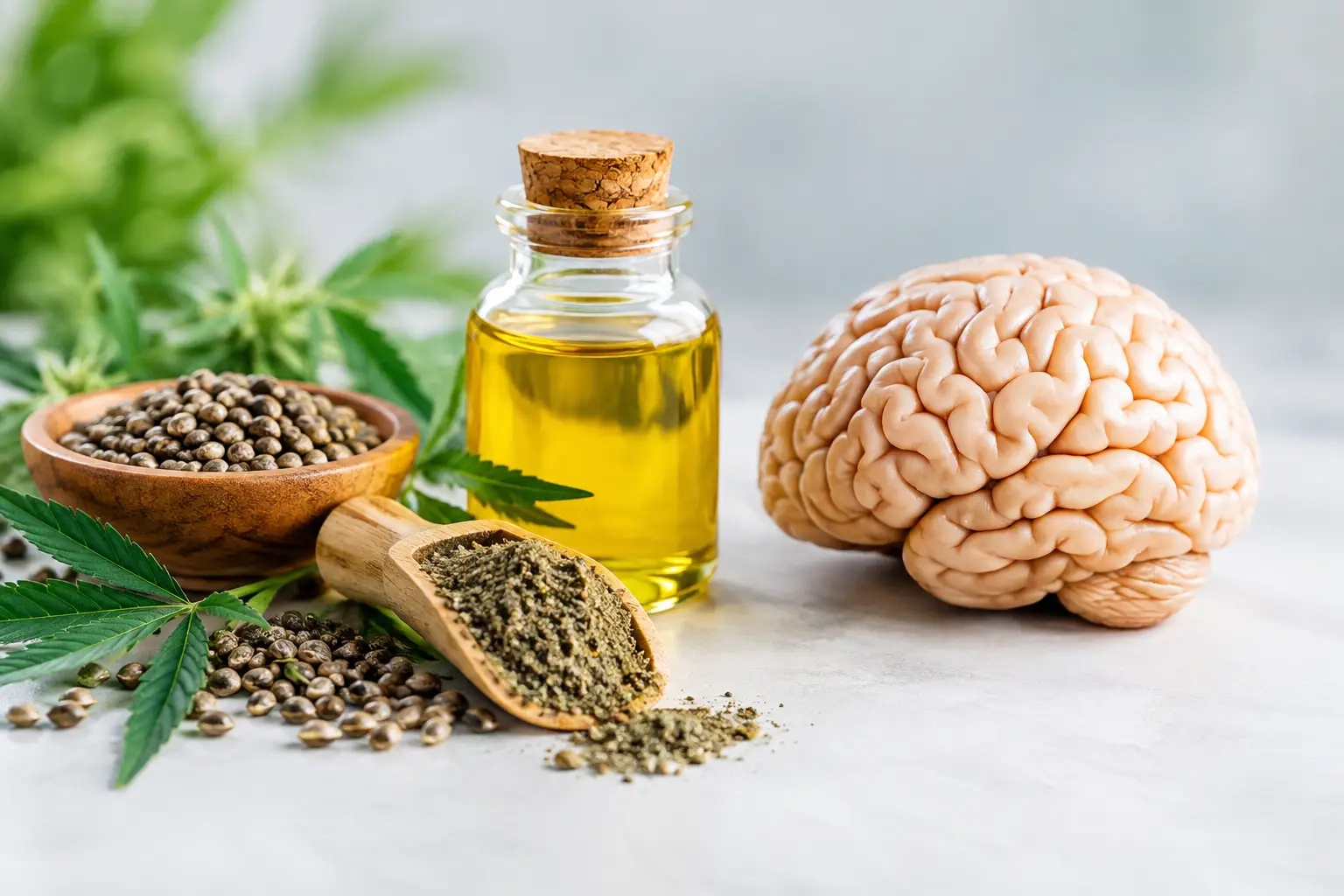
Cold Milled Botanical Review for Brain Health
Most botanical supplements are judged by the name on the label. A serious cold milled botanical review starts somewhere more revealing: how was the plant handled before it ever reached the capsule? For people focused on sleep, brain fog, and long-term cognitive resilience, that question matters because the brain’s nightly cleanup system depends on biology that is easily disrupted – and plant compounds can be delicate, too.
The glymphatic system is the brain’s waste-clearance network. It becomes most active during deep, restorative sleep, helping move metabolic byproducts and proteins through fluid pathways around the brain. Poor sleep, aging, head injuries, chronic stress, and other pressures can interfere with this essential maintenance cycle. That makes it reasonable to look beyond generic “brain support” labels and ask whether a botanical was processed in a way that respects its natural chemistry.
What Cold Milling Actually Means
Milling simply means reducing plant material into a powder. The method, temperature, speed, oxygen exposure, and time all influence what happens next. Conventional grinding can generate heat through friction. For tough seeds and dense plant materials, that heat may be substantial enough to affect volatile oils, fats, enzymes, and other heat-sensitive constituents.
Cold milling is designed to limit that heat exposure. Depending on the process, the material may be chilled before milling, processed at lower temperatures, or handled in tightly controlled conditions to reduce thermal stress. The goal is not to make a plant magically more potent. The goal is preservation: keeping more of the naturally occurring chemical profile intact from seed to finished supplement.
That distinction is critical. A botanical’s value does not come from the word “natural” alone. It comes from the plant species, the part of the plant used, growing conditions, harvest timing, storage, extraction or milling method, dose, and consistency of the finished material. Processing is one important piece of a much larger quality equation.
Cold Milled Botanical Review: What to Look For
Marketing language can make every process sound revolutionary. A credible cold milled botanical review should separate a meaningful preservation method from a vague buzzword.
First, look for clarity about the botanical itself. Is the company willing to identify the exact plant material – seed, leaf, root, fruit, or extract – and explain why that portion was selected? Seeds are especially interesting because they can contain concentrated oils and protective compounds that may be vulnerable to heat, light, or oxidation.
Second, ask whether the manufacturer explains what “cold” means in practical terms. A named technology is not automatically a red flag, but it should be more than a trademark with no description behind it. The strongest explanation identifies the problem being solved, such as heat generated during conventional grinding, and describes how the processing approach is intended to reduce degradation.
Third, examine freshness and packaging. Even a carefully milled botanical can decline if it sits in poor storage conditions, encounters excess moisture, or is exposed repeatedly to air and light. Dark, well-sealed packaging and lot-level quality practices are not glamorous, but they are often more meaningful than extravagant promises.
Finally, keep the evidence question front and center. It is fair to say that heat control may help preserve sensitive plant constituents. It is not fair to assume that a cold-milled ingredient has been clinically proven to prevent, treat, or reverse Alzheimer’s disease, Parkinson’s disease, traumatic brain injury, or any other condition. Processing quality supports a rationale. Human outcomes require human research.
Why Temperature Can Matter for Brain-Focused Botanicals
The brain has unusually high energy demands and substantial lipid content. It also relies on tightly regulated sleep architecture, circulation, inflammation balance, and cellular housekeeping. When people experience mental fatigue, poor focus after sleepless nights, or the lingering cognitive effects of stress, there is rarely one simple cause.
That is why the glymphatic perspective is so valuable. It directs attention toward restoration, not just stimulation. Instead of asking only, “What will make me feel sharper right now?” a better question is, “What supports the conditions under which my brain can recover overnight?”
A carefully processed botanical may fit into that broader strategy when its compounds are preserved well enough to retain their intended nutritional properties. But it should not be treated as a substitute for deep sleep. If sleep is fragmented by sleep apnea, alcohol, late-night light exposure, chronic pain, medications, or an inconsistent schedule, those obstacles deserve direct attention. No supplement can do the full work of a healthy sleep cycle on its own.
The trade-off is straightforward. Cold processing may be more demanding and more expensive than standard high-speed milling. It may require specialized equipment, greater temperature control, and careful handling throughout manufacturing. Those costs can be justified when the raw plant material is particularly sensitive. They are less meaningful when a brand cannot explain why the method fits the ingredient.
The Difference Between a Whole Botanical and an Extract
A cold-milled whole botanical is not the same thing as a standardized extract. Neither format automatically wins.
Whole-plant or whole-seed powders aim to retain a broad matrix of naturally occurring compounds, including fibers, oils, and minor constituents that may work together. Their challenge is variability. Nature does not produce identical chemistry in every growing season, so quality control matters greatly.
Extracts concentrate selected compounds and may allow more precise standardization. Yet extraction also changes the original plant matrix. Solvents, heat, and purification choices can influence what remains and what is removed. An extract can be excellent when it is well designed, properly tested, and matched to a defined purpose. A cold-milled seed may be preferable when preserving the seed’s full natural profile is the priority.
For brain-health consumers, the key is to avoid simplistic thinking. “Whole food” is not automatically superior. “Standardized” is not automatically superior. The better choice depends on the plant, the compounds of interest, the manufacturing discipline, and the reason you are taking it.
Questions Worth Asking Before You Buy
A supplement label cannot tell the whole story, but it can reveal whether a company respects informed consumers. Before choosing a cold-milled botanical, ask four practical questions:
- What exact plant and plant part does the product contain?
- Why is low-temperature milling used for this ingredient?
- Is the product tested for identity, purity, and contaminants?
- Are the claims framed as support for normal wellness, rather than promises to cure disease?
The last question is especially important for anyone worried about memory changes, migraines, balance problems, post-concussion symptoms, or long COVID brain fog. Those experiences deserve medical evaluation, particularly when symptoms are sudden, worsening, or affecting daily life. Supplements may be part of a proactive wellness plan, but they should not delay care.
A Glymphatic Standard for Evaluating Supplements
The emerging science of glymphatic clearance has changed the brain-health conversation. It highlights something too often ignored: the brain needs protected periods of deep sleep to perform maintenance work. This is not merely about feeling rested. It is about supporting the conditions that allow the brain to manage metabolic waste and recover from each demanding day.
That lens raises the standard for every brain supplement. Does the product merely promise energy, or does it fit a recovery-centered approach? Does it respect the fragility of the botanical material? Does it acknowledge that sleep, movement, hydration, metabolic health, and medical care all shape neurological resilience?
My Brain Restore™ is built around that more specific question, using a rare plant seed preserved with proprietary Ultra Chill Milled™ technology to support the glymphatic-system-focused brain wellness category. The processing claim is meaningful because it is connected to a clear purpose: preserving a sensitive botanical rather than treating “cold milled” as decoration on a label.
For many people, the most practical next step is not chasing another stimulant or accepting brain fog as inevitable. Protect your sleep window. Address persistent sleep disruption. Build habits that support circulation and recovery. Then evaluate botanicals with the same care you would bring to any decision involving your long-term brain health.
A well-made cold-milled botanical may be one useful part of that plan, but the real opportunity is larger: give your brain the nightly conditions it needs to clean, repair, and keep working for the life you want to live.