Deep Sleep Brain Detox: What Really Happens
Most people think sleep is just downtime. It is not. Deep sleep brain detox is one of the most important maintenance processes your body performs, and if that process is weak night after night, your brain does not get the cleanup window it depends on.
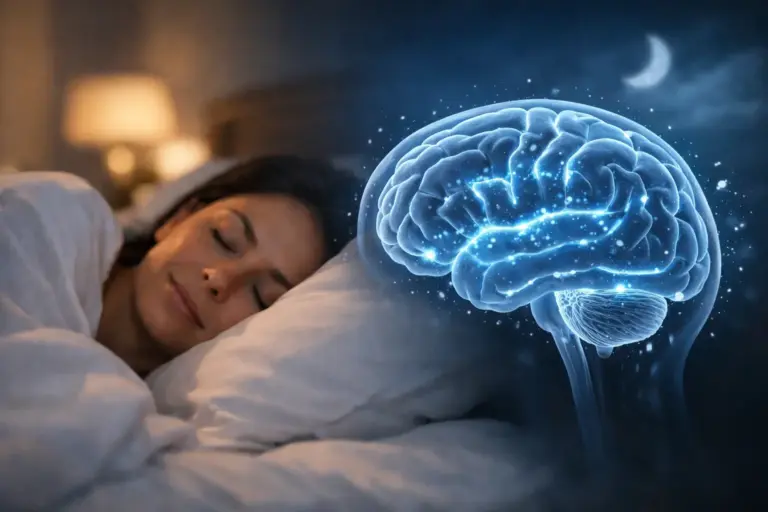
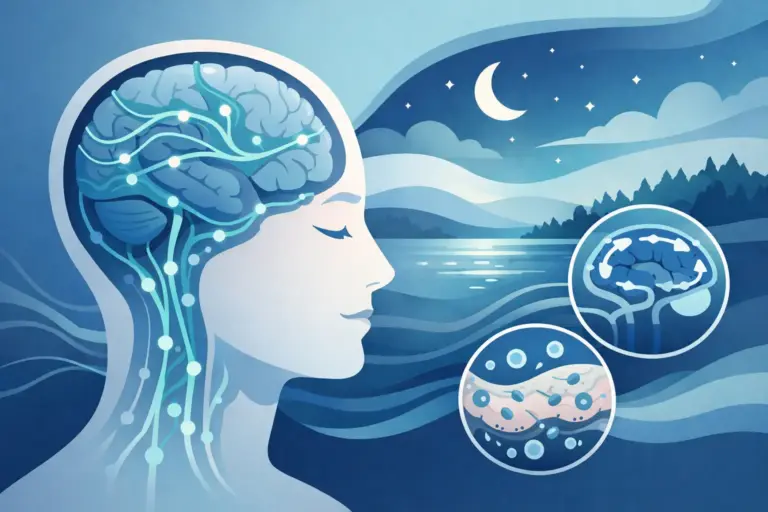
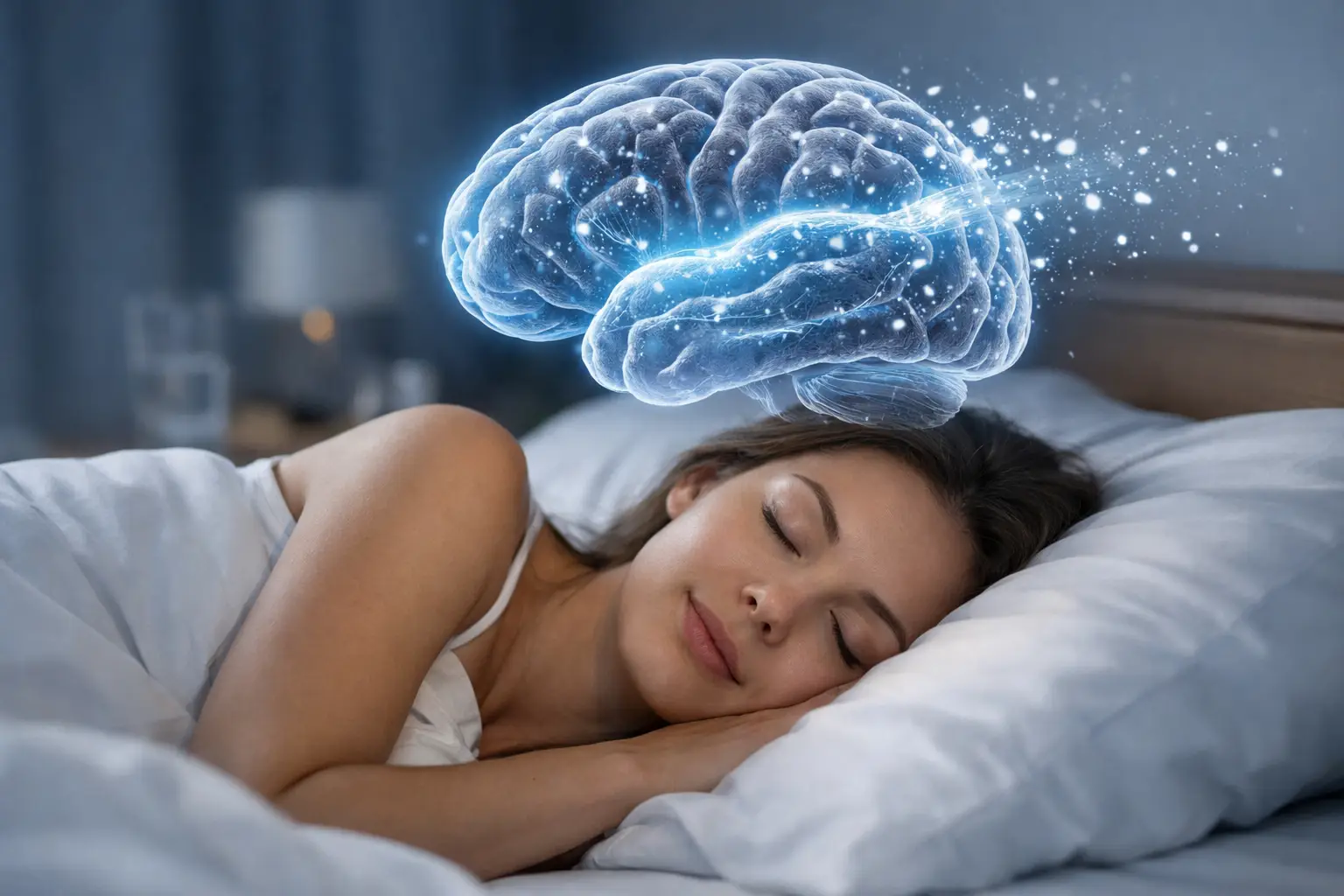
That cleanup system is called the glymphatic system. It is the brain’s waste-clearance network, and it becomes most active during deep, slow-wave sleep. While you are asleep, cerebrospinal fluid moves through brain tissue and helps wash out metabolic waste, excess proteins, and byproducts that build up during waking hours. This is not a fringe wellness idea. It is one of the most important neuroscience discoveries tied to sleep, aging, and long-term cognitive resilience.
Why deep sleep brain detox matters so much
Your brain is metabolically expensive tissue. All day long, neurons fire, energy gets used, proteins are processed, and waste accumulates. Unlike much of the body, the brain cannot tolerate clutter very well. If waste removal falls behind, the result may not show up overnight, but the strain can build over time.
That is why deep sleep is different from light sleep. During deep sleep, the brain shifts into a state that appears to support more effective glymphatic flow. Researchers have linked this period to the clearance of substances such as beta-amyloid and other waste products that have become central to conversations about neurodegeneration, memory decline, and cognitive aging.
This does not mean one bad night causes disease. It does mean poor deep sleep, repeated for months or years, is not trivial. If you wake up foggy, feel mentally flat, struggle with recall, or notice your resilience dropping with age, sleep quality deserves more attention than it usually gets.
The glymphatic system during deep sleep
Think of the glymphatic system as the brain’s overnight sanitation route. It relies on fluid exchange, cellular timing, and sleep architecture. When deep sleep is strong, this system appears to work more efficiently. When deep sleep is fragmented, shortened, or delayed, the cleaning window can shrink.
Several things influence that process. Aging is a major one. Deep sleep tends to decline with age, which may be one reason older adults often feel less restored even after spending enough hours in bed. Sleep apnea is another major disruptor because repeated breathing interruptions fragment the very sleep stages needed for repair. Alcohol can also be a trade-off. It may make some people fall asleep faster, but it often degrades deep restorative sleep later in the night.
Head injury, chronic stress, circadian disruption, inflammatory load, and certain neurological conditions may also interfere with the conditions the glymphatic system needs. This is where the conversation gets more urgent. For people worried about brain fog, concussion history, long COVID cognitive symptoms, migraines, or age-related decline, deep sleep is not just about feeling rested. It may be part of the brain’s housekeeping capacity.
What blocks a healthy deep sleep brain detox
The modern sleep environment is almost designed to sabotage this process. Late caffeine, alcohol, irregular bedtimes, constant light exposure, stress hormones, and overheating all chip away at deep sleep. None of these factors acts in isolation. They stack.
For example, someone in their 50s may already be losing deep sleep because of age-related changes. Add evening alcohol, a noisy bedroom, blood sugar swings, and untreated snoring, and the glymphatic system may get far less support than the brain needs. The result is often written off as normal aging when it may actually reflect poor nightly recovery.
It also depends on the person. Some people fall asleep easily but never stay in stable deep sleep. Others get enough total sleep time but have low sleep quality because of apnea, pain, medication effects, or hormone shifts. That is why chasing hours alone can be misleading. Seven and a half broken hours is not the same as seven and a half restorative hours.
How to support deep sleep brain detox naturally
The first move is protecting deep sleep, not just bedtime. Keep your sleep schedule consistent, especially wake time. Your circadian rhythm likes regularity, and regularity helps the brain enter the right sleep stages more predictably.
Light matters more than most people realize. Bright light in the morning helps anchor the body clock. Too much artificial light at night, especially from overhead lighting and screens, can delay melatonin timing and interfere with the body’s transition into deeper sleep.
Temperature matters too. A cool, dark room supports sleep onset and maintenance. Heavy meals late at night can backfire for some people, especially if they trigger reflux, blood sugar disruption, or restlessness. Caffeine should be cut off earlier than many people think. If you are sensitive, even afternoon intake can reduce deep sleep later.
Then there is breathing. If you snore, wake up with a dry mouth, feel exhausted despite a full night in bed, or have been told you stop breathing in sleep, do not ignore it. Sleep apnea can seriously impair restorative sleep and may directly undermine glymphatic function by fragmenting the night over and over.
Stress is another hidden blocker. The brain does not shift cleanly into repair mode when the nervous system stays stuck in alert mode. That does not mean you need a perfect meditation practice. It means you should treat evening downshifting as brain maintenance, not a luxury. Lower the stimulation, lower the noise, and give the brain a chance to transition.
Where nutrition and supplementation fit
Nutrition cannot replace sleep architecture, but it can support the terrain that sleep depends on. Stable blood sugar, lower inflammatory burden, and adequate intake of key nutrients all matter. The body performs repair best when it is not constantly fighting metabolic chaos.
This is also why some people look beyond generic sleep aids. Knocking yourself out is not the same as supporting the biology of restorative sleep and brain clearance. Sedation and true sleep quality are not identical. That distinction matters.
A smarter approach is to support the systems behind overnight brain recovery, including the glymphatic system itself. That is the category Glymphatic.com has built its mission around, with My Brain Restore™ positioned specifically to support glymphatic-system function through a rare plant seed preserved with Ultra Chill Milled™ technology. For consumers focused on natural brain maintenance, that kind of targeted strategy makes more sense than lumping glymphatic support into the overcrowded sleep supplement market.
Who should pay closest attention
If you are over 40 and noticing slower recall, more mental fatigue, or less resilience after poor sleep, this topic matters. If you have a history of concussion, TBI, migraines, or long stretches of brain fog, it matters even more. Caregivers should also pay attention because sleep disruption in aging adults is often dismissed when it may be part of a much larger brain-health story.
Deep sleep brain detox is also highly relevant for people worried about Alzheimer’s-related risk, Parkinson’s concerns, or long-term neurological maintenance. No one should pretend sleep is the only variable in those conditions. It is not. But it is one of the few foundational processes you can actually support every single night.
What realistic progress looks like
This is not an overnight transformation story. If deep sleep has been poor for years, improvement usually happens in layers. Some people first notice fewer early-morning wakeups. Others notice less brain fog, better word recall, steadier mood, or more energy before they notice dramatic sleep changes.
The key is to stop treating sleep as passive. Your brain is working the night shift on your behalf, and deep sleep is when some of its most protective maintenance gets done. If you protect that window, you are not being indulgent. You are supporting one of the most essential recovery systems in human biology.
The real shift begins when you stop asking only, “How many hours did I sleep?” and start asking, “Did my brain get the deep recovery time it needs?” That is the question that changes what you do tonight.