Why Glymphatic System Matters for Brain Health
You can eat well, exercise, and keep your mind active, but if your brain is not clearing out its own waste at night, you may still feel like you are running uphill. That is why glymphatic system matters. It is not a fringe wellness idea or a vague sleep trend. It is a real brain-cleaning network tied to recovery, clarity, and the long game of cognitive health.
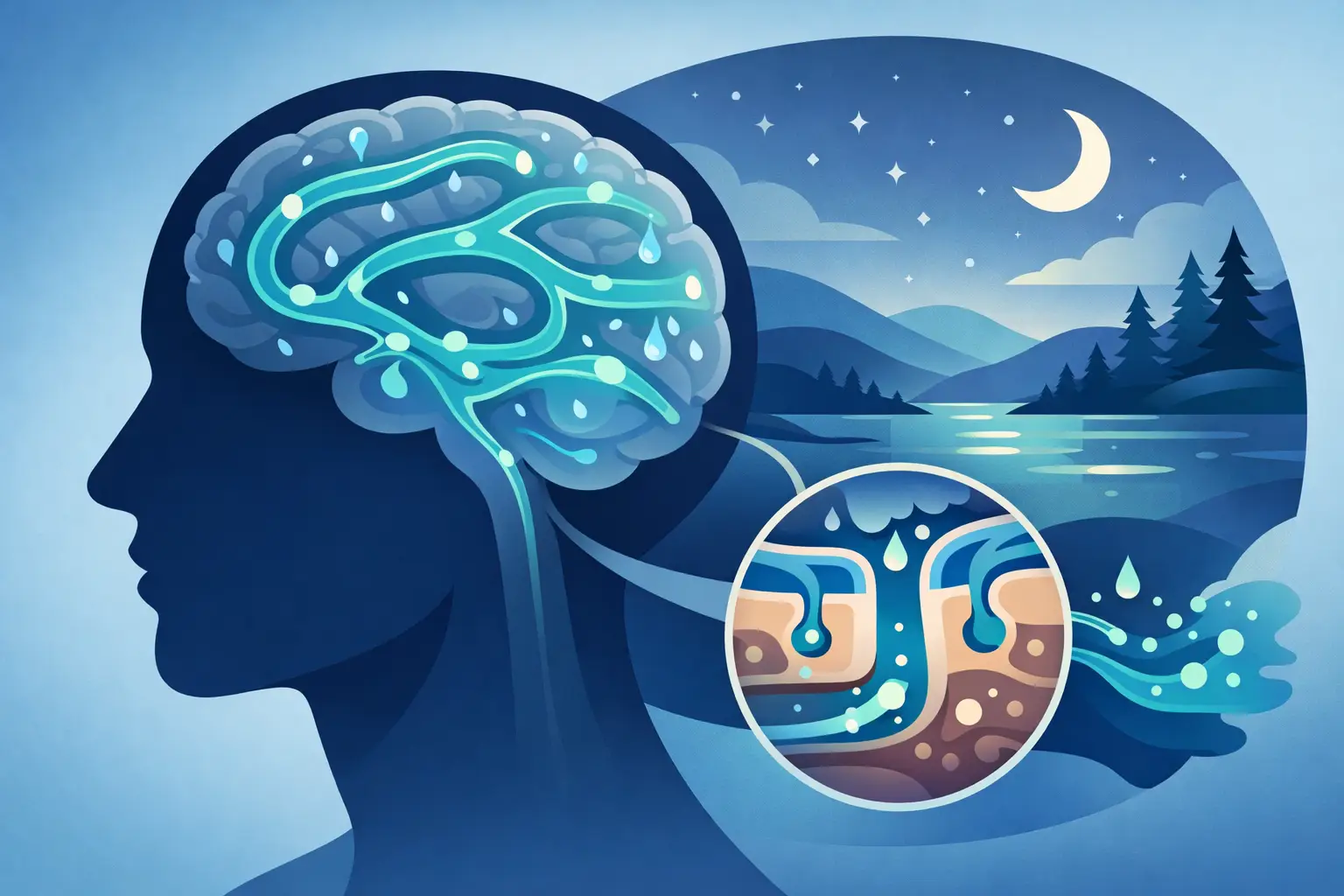
For years, people were taught to think about brain health in terms of stimulation – more focus, more productivity, more mental energy. But the brain also needs sanitation. It needs downtime that is biologically productive. The glymphatic system is one of the clearest examples of that, because it helps move cerebrospinal fluid through brain tissue and wash away metabolic waste that builds up during waking hours.
When that clearance process is working well, the brain is in a better position to reset. When it is not, the consequences may show up as brain fog, poor concentration, unrefreshing sleep, memory issues, and over time, potentially more serious neurological concerns. That is the real reason this system deserves far more attention than it gets.
What the glymphatic system actually does
The glymphatic system is often described as the brain’s waste-clearance pathway. That description is simple, but it captures the essential point. Your brain is highly active tissue, and active tissue creates byproducts. Proteins, toxins, and metabolic waste do not just disappear because the day is over. They need to be moved out.
This system appears to work most effectively during deep sleep, when fluid movement through the brain becomes more efficient. In practical terms, that means sleep is not just rest. It is maintenance. It is the period when the brain can shift resources away from constant input and toward repair and clearance.
That idea changes how we should think about sleep problems. Trouble sleeping is not only about feeling tired the next day. It may also mean the brain is missing one of its best chances to clean house.
Why glymphatic system matters more as you age
A younger brain can often compensate for a lot. An older brain has less room for sloppy maintenance. That is one reason why glymphatic system matters so much for middle-aged and older adults who want to protect cognition instead of waiting for obvious decline.
Research has linked impaired brain waste clearance with the buildup of proteins that are frequently discussed in neurodegenerative disease, including beta-amyloid and tau. That does not mean every sleep problem leads to dementia, and it does not mean this system is the only factor that matters. Brain health is more complex than any single pathway. But ignoring waste clearance would be a mistake.
The bigger point is that long-term cognitive resilience likely depends on several overlapping systems working together: circulation, metabolism, inflammation control, sleep architecture, and cleanup. The glymphatic system sits right in the middle of that conversation because it connects sleep quality with physical brain maintenance.
If you are noticing age-related forgetfulness, mental fatigue, slower recall, or a growing sense that your brain does not bounce back the way it used to, this is not the time to think only in terms of caffeine, willpower, or sharper focus. It is time to ask whether your brain is recovering deeply enough at night.
The hidden cost of poor nighttime brain clearance
Most people recognize the short-term effects of bad sleep. They are irritable, distracted, and less productive. What gets missed is the cumulative burden. If the brain is repeatedly deprived of deep, restorative sleep, it may also be repeatedly deprived of its most important cleaning cycle.
That matters for people dealing with brain fog, but it may matter even more for those with more complex neurological stress. A history of concussion, traumatic brain injury, chronic migraines, sleep apnea, long COVID cognitive symptoms, or heavy inflammatory load can all increase concern about how well the brain is recovering. In those cases, poor glymphatic function may not be the whole story, but it can be part of the stress pattern.
This is where simplistic wellness advice falls short. Telling people to just sleep more is not enough. The real issue is whether sleep is deep enough, regular enough, and physiologically supportive enough to help the brain do the cleanup work it was designed to do.
Why glymphatic system matters for memory, focus, and brain fog
People often talk about memory and focus as if they are purely electrical problems – neurotransmitters, attention, stimulation, output. But mental performance also depends on the condition of the tissue itself. A brain that is not recovering well is less likely to perform well.
That is why people with poor sleep often describe a very specific kind of mental dullness. It is not just sleepiness. It is slower processing, poorer word retrieval, reduced motivation, and a sense that the mind is cluttered. That feeling may reflect multiple issues, but inadequate nighttime clearance belongs on the list.
Memory consolidation also happens during sleep, which means sleep serves more than one critical brain function at once. It helps process information, regulate neural activity, and support housekeeping. When those systems are compromised together, the result can feel like your brain is working against you.
For caregivers and proactive adults, that should be a wake-up call. Waiting until symptoms become dramatic is not a smart strategy. Brain maintenance is easier to support earlier than to rebuild later.
What supports glymphatic function – and what gets in the way
The clearest support for glymphatic health is deep, consistent sleep. That sounds basic, but it is where most people already struggle. Fragmented sleep, late-night stimulation, alcohol overuse, stress overload, and untreated sleep disorders can all interfere with the kind of sleep architecture the brain needs.
Inflammation may also matter. So can aging, head injury history, and vascular issues. That is where the conversation gets nuanced. There is no single lever that guarantees better glymphatic flow, and anyone promising a one-step miracle is oversimplifying the biology.
Still, the practical direction is clear. People who want better brain resilience should think beyond generic energy support and ask better questions. Are they protecting deep sleep? Are they reducing obstacles to recovery? Are they supporting the body in ways that align with the brain’s natural maintenance cycles?
That is also why a targeted approach is more compelling than the usual broad nootropic formula. If the goal is real brain maintenance, supporting the system responsible for cleanup makes more sense than chasing temporary stimulation. Glymphatic.com has built its entire mission around that distinction, because this is not just about feeling sharper for a few hours. It is about helping the brain do one of its most essential jobs.
The bigger brain-health shift people are missing
The public conversation around brain health is still catching up. Many people know about plaques, inflammation, oxidative stress, and cognitive decline. Far fewer understand that the brain has a specialized cleaning process that becomes especially active during deep sleep. That gap in awareness matters.
It means people may spend years addressing symptoms while ignoring one of the core maintenance systems underneath them. They may chase productivity during the day while sacrificing the biological recovery that protects the brain at night. They may think a tired brain needs more stimulation when what it really needs is better restoration.
This does not mean the glymphatic system explains every neurological challenge. It does not. Conditions like Alzheimer’s, Parkinson’s, TBI-related dysfunction, and chronic cognitive issues are multifactorial. But the presence of complexity is not an excuse to overlook an actionable mechanism. If anything, it is a reason to pay closer attention to it.
The strongest brain-health strategies usually do not rely on one dramatic fix. They work because they support fundamental processes consistently over time. Clearance is one of those processes. Recovery is one of those processes. Deep sleep is one of those processes. The glymphatic system sits where all three meet.
That is why this topic keeps gaining traction among neurologically informed consumers, caregivers, and people who are done settling for surface-level answers. If your brain cannot clean itself efficiently, every other brain-health effort may be doing less than you hoped.
A smarter next step is not panic. It is respect for the biology. Protect your deep sleep, take brain fog seriously, and treat nighttime recovery as a core part of cognitive health rather than an afterthought.