7 Best Nutrients for Brain Aging and Cleanup
Brain aging is not just about forgetfulness. It is also about what happens every night when the brain should be repairing, regulating inflammation, and clearing the metabolic waste created during a full day of thought, movement, stress, and activity. The best nutrients for brain aging do more than promise sharper focus for an afternoon. They support the foundations of a resilient brain: cell membranes, energy production, circulation, sleep, and the glymphatic system.
That distinction matters. No vitamin, food, or supplement can guarantee protection from Alzheimer’s disease, Parkinson’s disease, or another neurological condition. But a nutrient-poor diet, poor sleep, insulin resistance, and chronic inflammation can all work against the brain’s long-term maintenance. Nutritional strategy is one meaningful way to stop treating brain health as an afterthought.
Why nutrition matters to the aging brain
Your brain is metabolically demanding. Though it accounts for only a small portion of body weight, it uses a disproportionate share of the body’s energy. It also relies on delicate fatty membranes, steady oxygen delivery, and tightly regulated immune activity. With age, those systems can become less efficient.
The glymphatic system adds another layer to this conversation. This brain-wide fluid-clearance network is most active during deep sleep. It helps move cerebrospinal fluid through brain tissue and supports the removal of metabolic byproducts, including proteins that can accumulate when clearance is impaired. Nutrition does not replace sleep, but it can help create the biological conditions that make restorative sleep and overnight recovery more likely.
The goal is not to chase every trendy powder. It is to prioritize nutrients with a credible role in the systems that brain aging puts under pressure.
The 7 best nutrients for brain aging
1. Omega-3 fats, especially DHA
DHA is a major structural fat in the brain and retina. Neurons depend on healthy, flexible membranes to communicate efficiently, and DHA helps support that membrane integrity. It also plays a role in inflammatory signaling, which is relevant because chronic, low-grade inflammation can compound cognitive aging.
Fatty fish such as salmon, sardines, trout, and herring are the most direct food sources. People who do not eat fish may consider an algae-based DHA supplement. The trade-off is that fish oil and algae products vary widely in dose, purity, and EPA-to-DHA balance. Those taking blood-thinning medication should discuss high-dose omega-3 supplementation with a clinician.
2. Magnesium
Magnesium is involved in hundreds of enzymatic reactions, including energy metabolism and nerve signaling. For the aging brain, its most practical benefit may be indirect: magnesium can support relaxation, sleep quality, muscle function, and healthy stress regulation. Those are not minor benefits when deep sleep is the critical window for glymphatic activity.
Leafy greens, beans, pumpkin seeds, almonds, cashews, and whole grains contribute magnesium. Many adults still fall short. Supplemental forms matter. Magnesium glycinate is often used when the priority is gentler digestion and evening relaxation, while magnesium citrate may loosen stools. Kidney disease changes the equation, so supplementation should be medically guided in that situation.
3. B vitamins: B12, folate, and B6
B vitamins help regulate homocysteine, an amino acid associated with vascular risk when elevated. They are also essential to red blood cell formation, nerve function, and cellular methylation. B12 deficiency, in particular, can mimic or worsen problems people often blame on getting older: fatigue, numbness, balance changes, low mood, and cognitive fog.
B12 is found naturally in animal foods, while folate is abundant in lentils, leafy greens, asparagus, citrus, and fortified grains. Adults over 50, people taking acid-reducing drugs, long-term metformin users, and people following a vegan diet have specific reasons to pay attention to B12 status. Testing is more useful than blindly taking megadoses. More is not always better, especially with supplemental B6 taken for long periods.
4. Choline
Choline is a building block for acetylcholine, a neurotransmitter involved in memory, attention, and muscle control. It also supports phospholipids, the fats that help form cell membranes. That makes choline especially relevant to a brain-health plan centered on structure and communication, not just stimulation.
Egg yolks are one of the richest everyday sources, alongside fish, poultry, soybeans, and beef. Choline needs vary, and some people get enough from food without a separate supplement. If a supplement is being considered, it should fit the full diet and medical picture. High doses can cause digestive symptoms or a fishy body odor, and they are not a shortcut around sleep deprivation or poor metabolic health.
5. Polyphenols from berries and colorful plants
Blueberries, blackberries, cherries, grapes, cocoa, herbs, and deeply colored vegetables provide polyphenols, a broad group of plant compounds that help the body manage oxidative stress and inflammatory signaling. The aging brain is particularly vulnerable to oxidative damage because it uses so much oxygen and contains large amounts of fat-rich tissue.
The practical point is not that one blueberry smoothie will reverse brain fog. Consistent plant diversity matters more. A plate filled with different colors tends to deliver a wider range of protective compounds and fiber, which also supports the gut-brain connection. Choose whole fruit more often than sweetened juices, especially if blood sugar regulation is a concern.
6. Vitamin D
Vitamin D functions more like a hormone than a simple vitamin. Its receptors are found throughout the body, including the brain, and low vitamin D status has been associated with poorer health outcomes in older adults. It is also linked with mood, immune regulation, muscle strength, and sleep, all of which shape cognitive resilience.
Sun exposure, fatty fish, egg yolks, and fortified foods can contribute, but many Americans remain low, particularly during winter or when they spend most of the day indoors. A blood test can clarify whether supplementation is needed. This is not a nutrient to guess at with extreme doses, because vitamin D can build up in the body.
7. Protein and amino acids
Protein may be the least glamorous item on a brain-aging list, yet it is foundational. The brain needs amino acids to make neurotransmitters, enzymes, transport proteins, and the structural materials used throughout the body. Older adults are also more likely to lose muscle mass, and reduced muscle function can mean less activity, poorer glucose control, worse sleep, and diminished cognitive reserve.
Aim to include a meaningful protein source at regular meals, whether that is fish, eggs, Greek yogurt, poultry, tofu, tempeh, beans, or lentils. The right amount depends on body size, kidney function, activity level, and medical history. For many adults, spreading protein across the day works better than loading nearly all of it into dinner.
Nutrients work best when sleep can do its job
The most common mistake in brain-health marketing is to present a nutrient as if it operates in isolation. It does not. DHA cannot compensate for untreated sleep apnea. Magnesium will not erase the impact of heavy alcohol use. B vitamins cannot make up for a diet built around ultra-processed foods and unstable blood sugar.
If glymphatic support is the missing category in your brain-health plan, start with the conditions that affect its nightly work. Protect a consistent sleep window. Address frequent waking, snoring, or suspected sleep apnea. Limit alcohol close to bedtime. Get daylight and movement during the day. Then build meals around the nutrients that help maintain the brain’s physical infrastructure.
For people seeking a targeted natural approach, My Brain Restore™ is designed around glymphatic-system support and a rare plant seed preserved with Ultra Chill Milled™ technology. It should be viewed as part of a broader brain-maintenance strategy, not a substitute for medical evaluation when memory changes, tremors, new headaches, balance problems, or persistent brain fog appear.
Build a brain-aging plate, not a supplement pile
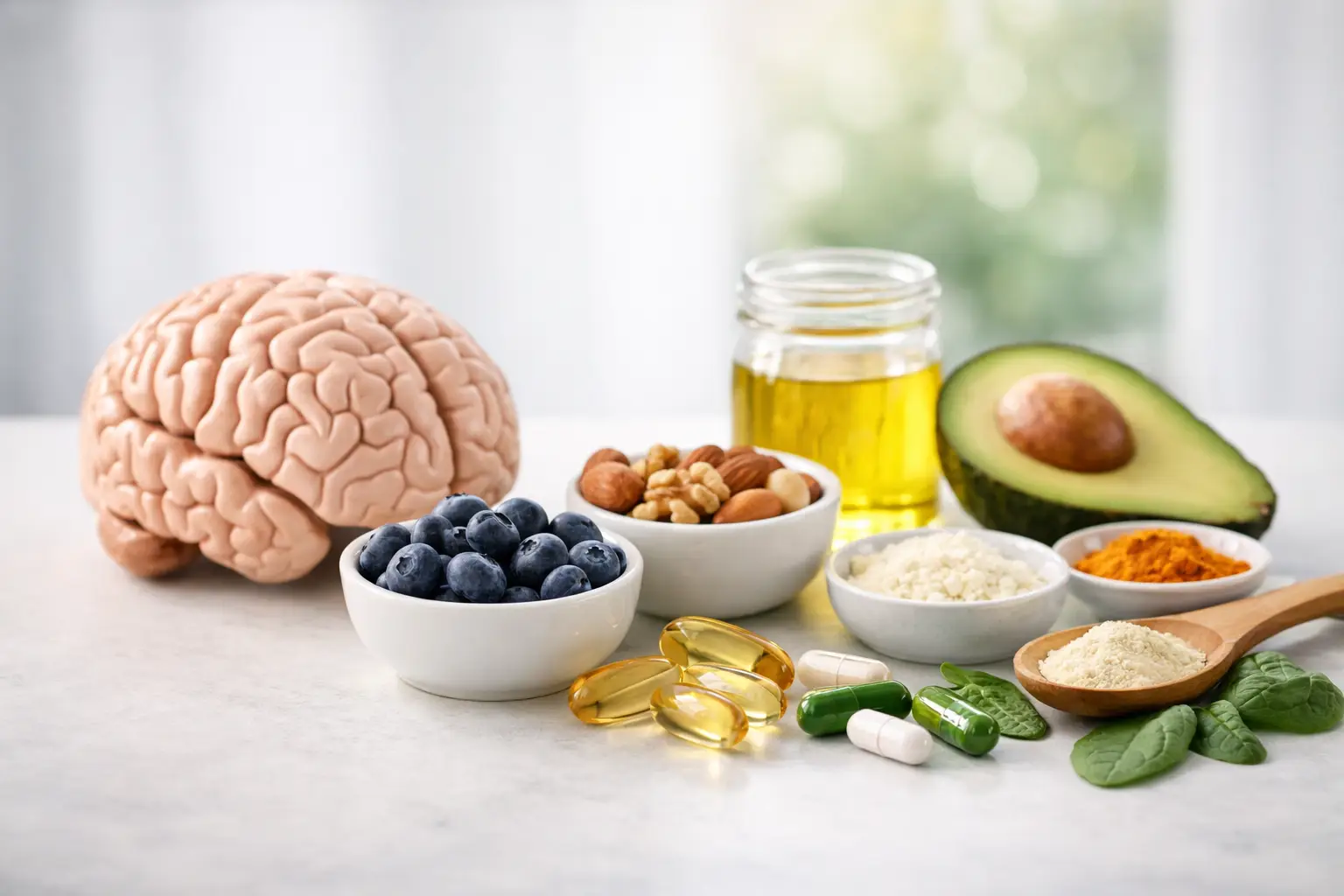
A useful daily pattern is surprisingly clear: fatty fish a few times weekly, eggs or another choline-containing food, beans and greens for magnesium and folate, berries or other colorful plants, and enough protein to support stable energy and muscle. Supplements can close documented gaps or meet specific needs, but food remains the broader delivery system for fiber, minerals, fats, and protective plant compounds that do not fit neatly on a label.
If you are taking medications, managing kidney disease, have a history of stroke, or are noticing progressive cognitive symptoms, bring supplements and dosages to your clinician or pharmacist. Interactions and underlying deficiencies are worth catching early.
The strongest brain-aging plan is built before a crisis forces the issue. Feed the brain during the day, protect the deep sleep that allows it to recover at night, and give its natural cleanup systems a real chance to do their work.