How Aging Affects Brain Clearance After 50
Aging does not simply change how quickly you recall a name or recover from a poor night’s sleep. It can change how effectively your brain performs its overnight housekeeping. Understanding how aging affects brain clearance puts a critical, often-overlooked system into focus: the glymphatic system, the brain’s natural pathway for moving fluid and metabolic waste out of brain tissue.
For decades, brain health conversations centered on neurons, blood flow, neurotransmitters, and genetics. All matter. But the question of what happens to the waste produced by a hard-working brain was largely missing from the public conversation. The glymphatic system helped change that. It revealed that deep sleep is not passive downtime. It is a biologically active recovery period when the brain is better positioned to clear away byproducts of daily metabolism.
How Aging Affects Brain Clearance
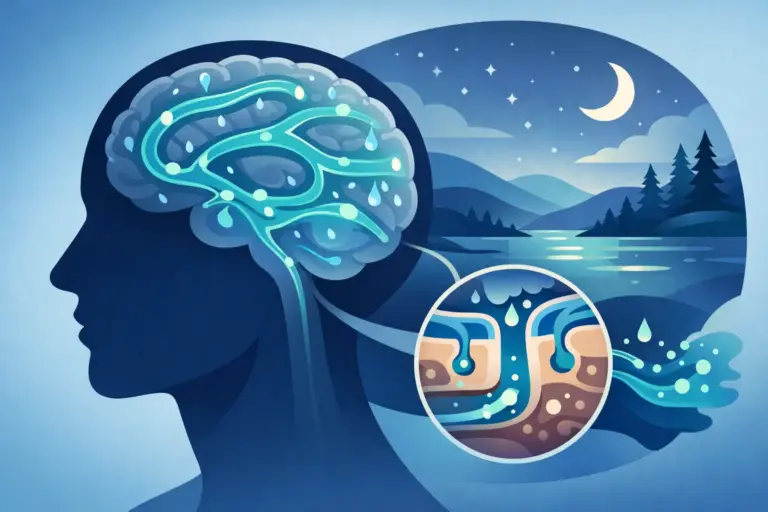
The glymphatic system relies on the movement of cerebrospinal fluid through spaces around blood vessels and into brain tissue. This fluid exchange helps carry away soluble waste, including proteins such as beta-amyloid and tau, which are widely studied in relation to neurodegenerative disease. The process is most active during deep, restorative sleep.
With age, several parts of this system may become less efficient. Sleep often becomes lighter and more fragmented. Arteries can become stiffer, reducing the pulsation that helps move fluid through perivascular spaces. Changes in the brain’s support cells, called astrocytes, may also affect the water channels involved in fluid movement. Add common age-related issues such as sleep apnea, high blood pressure, diabetes, inflammation, and reduced physical activity, and the conditions supporting overnight clearance can become less favorable.
This does not mean every older adult has a failing brain-cleaning system, nor does it mean brain decline is inevitable. It means the margin for neglect gets smaller. The habits that once seemed recoverable – late nights, chronic stress, alcohol-heavy evenings, untreated snoring, and sedentary days – can carry a higher cost when the brain’s restorative processes are already under pressure.
Why Deep Sleep Becomes a Brain Health Priority
Deep sleep, also called slow-wave sleep, is where the glymphatic conversation becomes personal. During this stage, the brain shifts into a state that appears to support greater fluid exchange and waste removal. When deep sleep is repeatedly shortened or interrupted, the brain loses some of its best scheduled maintenance time.
Aging naturally changes sleep architecture. Many adults spend less time in deep sleep as they get older, wake more frequently, or struggle to fall back asleep after waking. Menopause, chronic pain, medications, stress, nighttime urination, and breathing disruptions can make the problem worse. A person may spend eight hours in bed and still receive far less restorative sleep than their brain needs.
That is why feeling mentally dull after poor sleep is not merely a matter of being tired. Brain fog, low frustration tolerance, slower attention, and reduced mental sharpness can reflect a brain that has not had enough quality recovery. One bad night is normal. The greater concern is the repeated pattern: weeks, months, or years of sleep that never reaches the depth and continuity needed for full restoration.
The relationship is real, but it is not simplistic
Glymphatic research is compelling, but it should not be turned into a magic explanation for every memory lapse. Alzheimer’s disease, Parkinson’s disease, traumatic brain injury, migraine, long COVID, and cognitive impairment involve complex biology. Genetics, vascular health, immune activity, injury history, and lifestyle all contribute.
Still, impaired clearance is a meaningful piece of the larger picture. When the brain cannot efficiently manage metabolic waste and inflammatory signaling over time, that may create conditions less favorable for neurological resilience. Supporting sleep and circulation does not replace medical care. It gives the brain a stronger foundation for the work it already knows how to do.
What Can Interfere With the Aging Brain’s Cleanup Cycle?
The clearest disruptor is fragmented sleep. Sleep apnea deserves special attention because repeated drops in oxygen and frequent micro-awakenings can interfere with restorative sleep even when a person does not remember waking. Loud snoring, gasping, morning headaches, excessive daytime sleepiness, and high blood pressure are reasons to discuss screening with a clinician.
Vascular health matters, too. The brain depends on healthy blood vessels not only for oxygen and nutrients, but also for the rhythmic forces that support fluid movement. Poorly controlled blood pressure, smoking, insulin resistance, and prolonged inactivity can all work against that environment.
Alcohol presents a trade-off many people underestimate. It may make falling asleep feel easier, but it commonly fragments sleep later in the night and can reduce sleep quality. The same is true for late heavy meals, bright screens, irregular sleep schedules, and stimulants used too late in the day. These are not moral failures. They are practical variables that influence whether the brain gets a real recovery window.
Support Brain Clearance With the Basics That Matter Most
The most powerful glymphatic support strategy is not exotic. It is protecting consistent, high-quality sleep. Give yourself a stable wake time, then build a bedtime that allows enough opportunity for sleep. Keep the bedroom cool, dark, and quiet. If worries tend to accelerate at night, move planning, email, and difficult conversations earlier in the evening whenever possible.
Daily movement is another major lever. Walking, resistance training, cycling, swimming, and other regular activity can support cardiovascular function, metabolic health, mood, and sleep drive. The best plan is the one you will repeat. An intense program done for two weeks is less valuable than a sustainable rhythm practiced for months.
Your daytime choices shape your nighttime recovery. Get outdoor light early in the day, especially in the morning. Eat in a way that supports stable blood sugar and blood pressure. Stay hydrated without overloading fluids close to bedtime. Address chronic nasal congestion, pain, reflux, or nighttime bathroom trips that keep breaking your sleep.
For adults managing concussion history, neurological symptoms, suspected sleep disorders, or worsening memory concerns, self-experimentation should not be the only strategy. A clinical evaluation can identify treatable contributors, including medication side effects, depression, thyroid dysfunction, vitamin deficiencies, or sleep apnea.
Where Targeted Glymphatic Support Fits
Lifestyle creates the foundation, but many people want additional support for the brain’s overnight recovery processes. This is where a glymphatic-focused approach differs from generic “brain booster” marketing. The goal is not simply more stimulation during the day. It is supporting the conditions that help the brain recover, regulate, and clear waste at night.
Glymphatic.com developed My Brain Restore™ around this specific category: natural support for the glymphatic system using a rare plant seed preserved through Ultra Chill Milled™ technology. It is intended to complement, not compensate for, the fundamentals of deep sleep, healthy circulation, movement, and appropriate medical care.
That distinction matters. No supplement can cancel out chronic sleep deprivation, untreated apnea, or uncontrolled vascular risk. But a well-designed brain-maintenance routine can help people move from vague concern about aging toward consistent action.
The Earlier You Protect Recovery, the Better
Brain clearance is not a concern reserved for people already experiencing major memory loss. The biology of recovery matters in midlife, after periods of prolonged stress, following a concussion, and whenever sleep quality begins to slip. Waiting for a crisis is the old model of brain health. Protecting restorative function before symptoms become disruptive is the more intelligent one.
Tonight, choose one change that makes deep sleep more likely: set a real bedtime, move your body during the day, skip the late drink, or finally address persistent snoring. Your brain has a cleanup system. Give it the time and conditions to do its work.