Glymphatic System and Parkinsons Explained
Parkinson’s rarely starts with a tremor alone. For many people, the earliest signs show up at night – restless sleep, vivid dreams, frequent waking, and a sense that the brain never fully resets. That is one reason the connection between the glymphatic system and Parkinsons deserves far more attention than it gets.
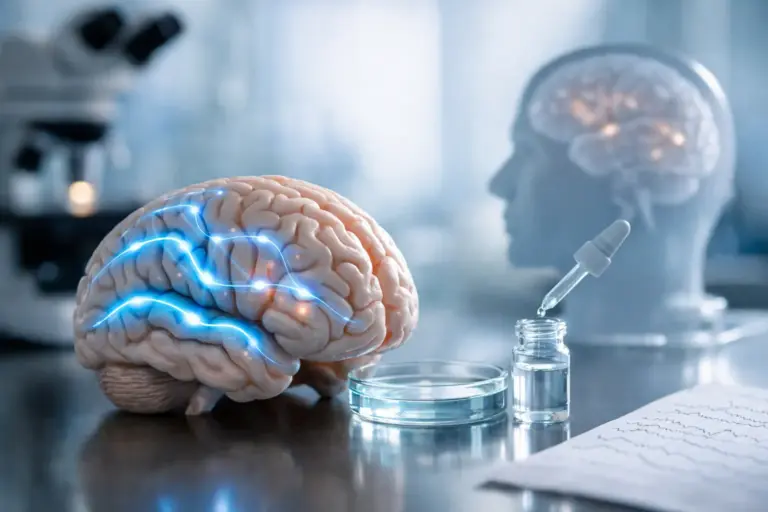
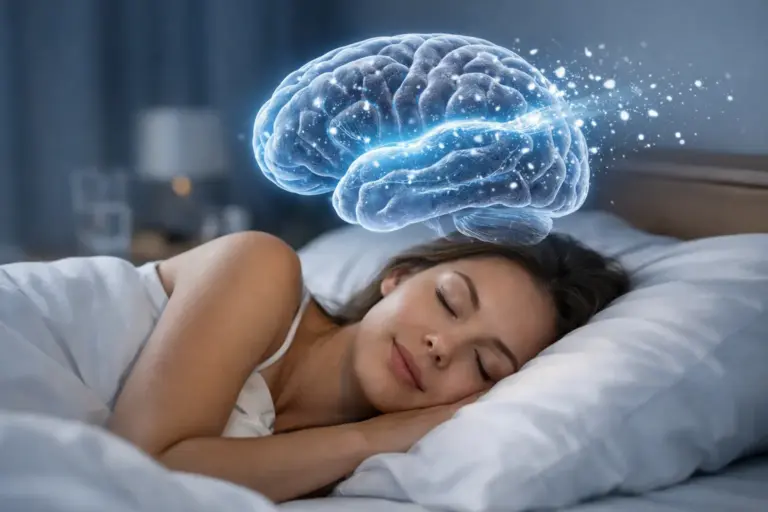
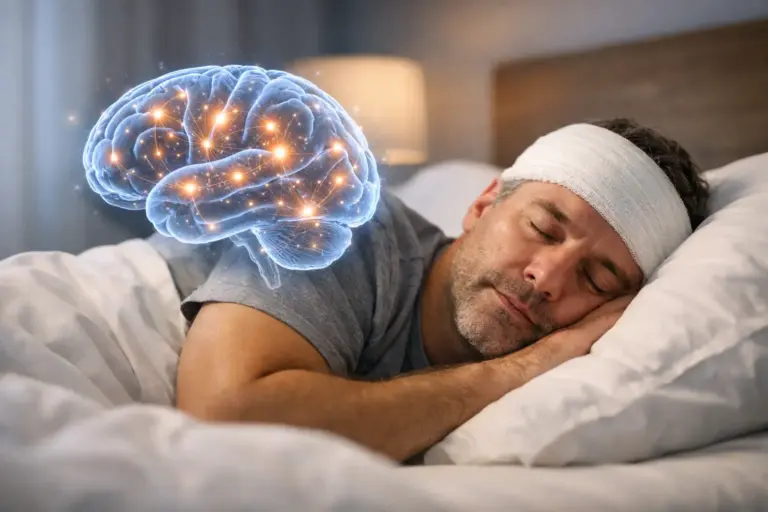
The glymphatic system is the brain’s cleanup network. It helps move fluid through brain tissue, clearing away metabolic waste and unwanted proteins while you sleep, especially during deep sleep. When that clearance process slows down, the brain may be left with more inflammatory debris, more oxidative stress, and more of the protein buildup that researchers increasingly associate with neurodegenerative disease.
For a condition like Parkinson’s, that matters. Parkinson’s is often described as a movement disorder, but the disease process is broader than movement alone. It affects sleep, mood, cognition, autonomic function, and overall neurological resilience. If the brain’s nighttime waste-removal system is compromised, it may contribute to the very environment in which Parkinson’s pathology worsens.
Why the glymphatic system matters in Parkinson’s
The central issue in Parkinson’s is not simply dopamine loss. Underneath that loss is a deeper biological story involving protein misfolding, cellular stress, inflammation, and breakdown in the brain’s maintenance systems. One of the proteins most closely tied to Parkinson’s is alpha-synuclein. When alpha-synuclein misfolds and accumulates, it can interfere with neuronal function and spread damage over time.
That is where glymphatic clearance enters the conversation. Researchers are investigating whether the glymphatic system helps remove alpha-synuclein and other waste products from the brain. If this system is less efficient, especially over many years, the brain may become less able to manage the protein burden associated with Parkinson’s progression.
This does not mean glymphatic dysfunction is the sole cause of Parkinson’s. It is not that simple. Genetics, mitochondrial dysfunction, environmental exposures, inflammation, gut-brain signaling, and aging all play a role. But the glymphatic system may be one of the missing pieces that helps explain why sleep disruption and neurodegeneration are so tightly linked.
Sleep disruption may be more than a symptom
People with Parkinson’s often struggle with sleep long before diagnosis. REM sleep behavior disorder, insomnia, nighttime rigidity, fragmented sleep, and excessive daytime sleepiness are all common. Conventional thinking tends to treat these as side effects of the disease. That is partly true, but it may also miss the bigger picture.
The glymphatic system works best during deep, restorative sleep. If deep sleep is reduced, interrupted, or poorly timed, the brain may lose one of its most important opportunities for repair and waste clearance. Over time, that can create a vicious cycle. Poor sleep weakens glymphatic flow. Reduced clearance may allow more toxic proteins and inflammatory byproducts to linger. That may further stress vulnerable brain regions and contribute to worsening symptoms, which then disrupt sleep even more.
This cycle is one reason sleep should not be treated as a secondary wellness issue in Parkinson’s. It may be part of the disease environment itself.
The role of aging in glymphatic slowdown
Age is the biggest risk factor for Parkinson’s, and it also affects glymphatic performance. As we get older, sleep architecture changes. Deep sleep often declines. Vascular health may worsen. The movement of cerebrospinal fluid may become less dynamic. All of that can reduce the efficiency of the brain’s cleaning process.
In practical terms, aging can mean the brain is facing a double hit: greater vulnerability to neurodegenerative changes and less effective nighttime clearance. That combination may help explain why some brains become less resilient over time, especially when other stressors are present.
What research suggests about glymphatic system and Parkinsons
The research is still developing, but the direction is hard to ignore. Scientists have found growing evidence that glymphatic flow is tied to sleep quality, protein clearance, and neurodegenerative risk. In Parkinson’s specifically, interest has focused on how impaired clearance might relate to alpha-synuclein accumulation, cognitive decline, and disease progression.
Imaging studies have begun to examine altered fluid dynamics in people with neurodegenerative conditions. Animal research has also suggested that sleep and cerebrospinal fluid movement influence how effectively the brain clears proteins. While Parkinson’s research is not as mature as some of the work done in Alzheimer’s, the biological logic is strong: if the brain cannot efficiently remove damaging byproducts, pathology may build faster.
There is also an important nuance here. Glymphatic impairment may not look the same in every person with Parkinson’s. Someone early in the disease with relatively preserved sleep may have a different clearance profile than someone with years of fragmented sleep, cognitive changes, and autonomic dysfunction. This is not a one-size-fits-all issue.
Why this connection matters for everyday brain health
For patients and caregivers, the value of this topic is not academic. It changes what deserves attention now.
If brain clearance matters, then protecting deep sleep matters. If fluid movement through the brain matters, then circulation, inflammation, and overall sleep physiology matter. If protein waste is part of the problem, then supporting the body’s natural maintenance systems becomes more than a lifestyle extra. It becomes a strategic priority.
That does not replace medical care for Parkinson’s. No serious brain-health plan should pretend otherwise. Medication management, neurological evaluation, physical therapy, exercise, and disease-specific care remain essential. But there is a difference between treating symptoms alone and supporting the biological systems that help the brain recover, repair, and clear waste in the first place.
Supporting glymphatic function if Parkinson’s is a concern
The most immediate place to start is sleep quality. Not just time in bed, but actual restorative sleep. Frequent waking, untreated sleep apnea, alcohol-heavy evenings, erratic schedules, and chronic sleep deprivation all work against glymphatic performance. For someone concerned about Parkinson’s risk or progression, those patterns deserve real attention.
Exercise also matters, though the relationship is indirect. Regular movement supports circulation, metabolic health, and sleep depth. That can create a more favorable environment for glymphatic activity. The same goes for managing blood sugar, reducing chronic inflammation, and protecting vascular health.
Then there is the question many people ask: can you nutritionally support the glymphatic system itself? That is where interest in targeted brain-health support has grown. A product like My Brain Restore™ is positioned around this exact gap – supporting the glymphatic system with a rare natural plant seed preserved through Ultra Chill Milled™ technology to protect its active potential. For people who want a proactive, natural strategy centered on the brain’s waste-clearing network, that category focus is highly relevant.
Still, expectations should stay grounded. Nutritional support is best viewed as part of a broader plan, not a shortcut. If someone is sleeping four broken hours a night, highly inflamed, sedentary, and medically unstable, no single intervention is going to carry the whole load.
The caregiver perspective
Caregivers often notice subtle decline before anyone else does. They see the poor sleep, the daytime confusion, the slower thinking, the fatigue that does not lift. The glymphatic lens can be useful here because it reframes those signs as part of a larger brain-maintenance problem, not just isolated complaints.
That perspective often leads to better questions. Is sleep being protected aggressively enough? Are nighttime disruptions being ignored because they seem unrelated to movement symptoms? Is the person getting support aimed at brain recovery, not only symptom suppression?
A more complete way to think about Parkinson’s
Parkinson’s is not only about what the brain loses. It is also about what the brain fails to clear, repair, and restore. That shift in perspective matters because it opens the door to action earlier, when sleep changes, brain fog, and subtle cognitive strain might otherwise be dismissed.
The glymphatic system and Parkinsons are connected by a simple but powerful idea: a brain that cannot clean itself efficiently is a brain under greater stress. Over years, that stress can matter. It may influence resilience, symptom burden, and the pace at which deeper dysfunction takes hold.
That is why brain health cannot wait until symptoms become severe. Protecting deep sleep, supporting neurological maintenance, and taking glymphatic function seriously may not answer every question in Parkinson’s, but it is one of the clearest ways to work with the brain instead of constantly reacting after the damage is done.
The smartest next step is often the most overlooked one – help the brain do its nightly housekeeping while there is still more worth protecting.