How to Improve Slow Wave Sleep for Brain Health
The hours after you fall asleep are not passive downtime for your brain. During the deepest stages of sleep, the brain shifts into a different operating mode – one tied to physical restoration, memory processing, and the movement of metabolic waste out of brain tissue. If you want to improve slow wave sleep, the goal is bigger than feeling less tired tomorrow. It is about protecting the nightly recovery window your brain depends on.
Slow wave sleep tends to decline with age, stress, fragmented sleep, certain medications, alcohol use, and untreated sleep disorders. That matters because lighter, interrupted sleep may leave you with enough hours in bed but not enough truly restorative sleep. For people concerned about brain fog, memory slips, headaches, concussion history, or long-term cognitive resilience, deeper sleep deserves serious attention.
What Slow Wave Sleep Does for the Brain
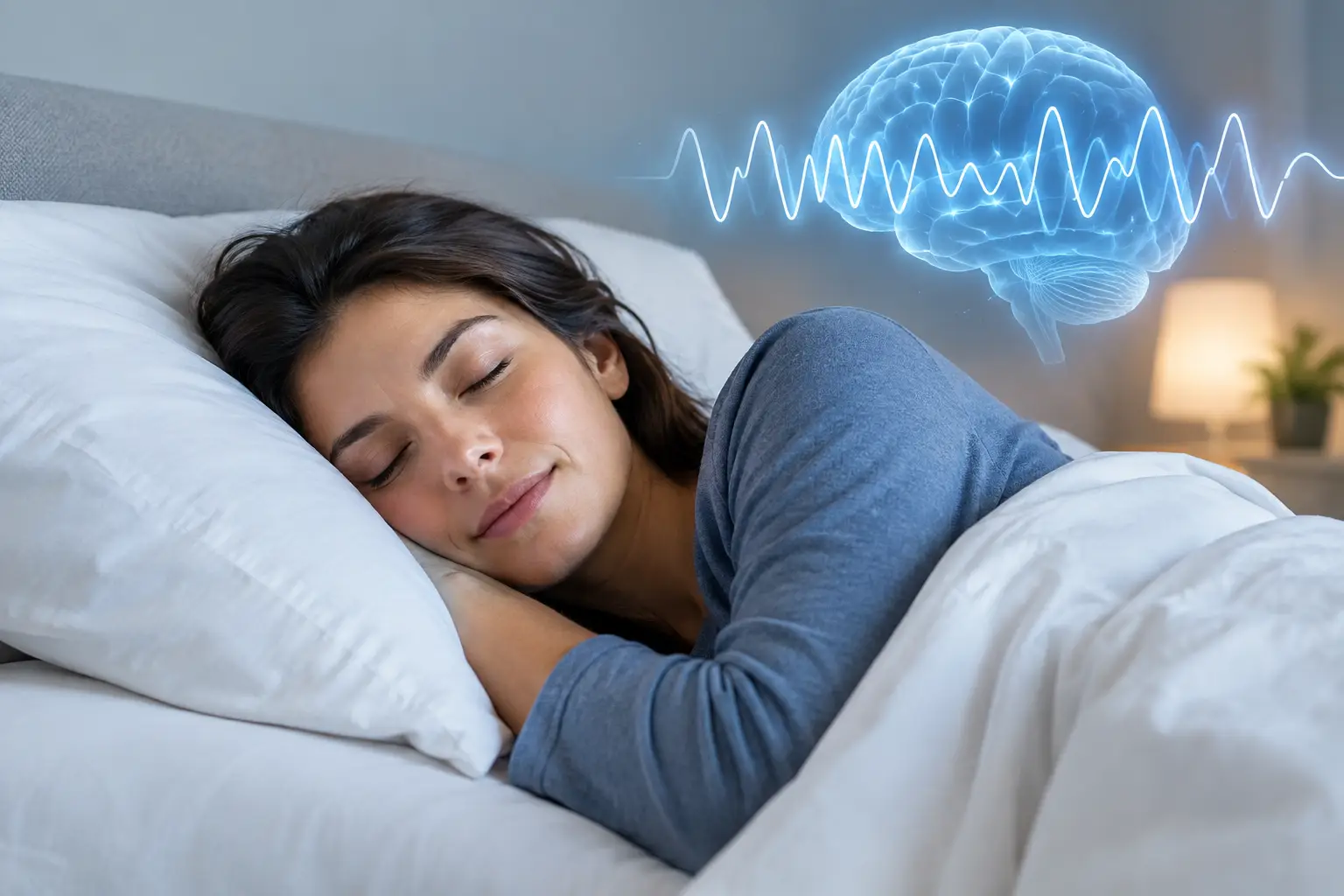
Slow wave sleep, often called deep sleep or stage N3 sleep, is marked by slow, high-amplitude brain waves. It is most concentrated in the first part of the night, which is one reason a late bedtime can cost more than people realize. You cannot always “catch up” on lost deep sleep simply by sleeping late the next morning.
During this stage, the body carries out much of its most intensive repair work. Growth hormone release increases, the immune system performs key maintenance functions, and the brain reduces its responsiveness to the outside world. Slow wave sleep is also closely connected to memory consolidation, especially the process of stabilizing facts, experiences, and skills learned during the day.
For Glymphatic.com readers, the most compelling connection is the glymphatic system. This brain-wide clearance network becomes more active during sleep, helping move fluid through brain tissue and carry away metabolic byproducts. Research suggests that slow-wave activity helps coordinate the pulsations and fluid movement associated with this nighttime cleaning process. The science is still developing, and no single habit guarantees glymphatic clearance, but chronically disrupted deep sleep is not a risk worth ignoring.
Why Deep Sleep Gets Harder to Protect
A common mistake is treating sleep as one uniform block. It is not. Someone may sleep for eight hours yet spend much of that time cycling through lighter stages, waking repeatedly, or experiencing breathing disruptions they do not remember the next day.
Age changes sleep architecture. Many adults spend less time in slow wave sleep as they get older, while sleep becomes more easily disrupted by noise, bathroom trips, pain, temperature changes, and stress. That does not mean decline is inevitable. It means the conditions around sleep become more consequential.
Alcohol is another major disruptor. It may make you feel sedated initially, but sedation is not the same as restorative sleep. Alcohol can fragment the second half of the night, alter normal sleep staging, and worsen snoring or sleep-disordered breathing. A nightcap may seem harmless because it helps you fall asleep, while quietly undermining the sleep quality your brain needs later.
Stress works differently but can be just as damaging. When your nervous system remains on alert, your brain may have trouble settling into sustained deep sleep. The issue is not simply “thinking too much.” It is persistent physiological arousal – elevated tension, an irregular schedule, late-night work pressure, and constant stimulation telling the body that recovery can wait.
How to Improve Slow Wave Sleep Starting Tonight
The strongest strategy is not a trendy sleep hack. It is creating a reliable biological signal that nighttime is protected. Your brain responds to timing, light, temperature, activity, and consistency more than it responds to a single perfect evening.
Keep Your Wake Time Stable
Set a wake time you can maintain most days, including weekends. This may sound less exciting than buying a new wearable, but it is one of the most powerful ways to strengthen your circadian rhythm. A stable wake time helps build sleep pressure across the day and makes it easier for your body to enter deeper sleep at night.
If you are currently going to bed at wildly different times, do not force an extreme correction overnight. Shift gradually, usually by 15 to 30 minutes at a time. The practical target is a schedule that gives you enough opportunity for sleep while preserving consistency.
Protect the First Half of the Night
Because slow wave sleep is front-loaded, treat your intended bedtime as an appointment with your brain. Repeatedly pushing bedtime from 10:30 p.m. to midnight may cut into the portion of the night when deep sleep is most likely to occur.
Create a short transition ritual that starts 30 to 60 minutes before bed. Dim household lights, stop handling stressful tasks, and keep screens from becoming a second workday. You do not need a complicated routine. You need a repeatable one your nervous system learns to recognize.
Get Bright Light Early and Darkness Later
Morning light is one of the clearest signals for setting the body clock. Get outside shortly after waking when possible, even on cloudy days. A brief walk is ideal because movement adds another wakefulness signal, but sitting near daylight is better than remaining under dim indoor lighting.
At night, reverse the message. Bright overhead light and close-up screens can delay the body’s natural wind-down. Lower lights in the evening, use warmer light when practical, and avoid scrolling in bed. The goal is not perfection or fear of every screen. It is reducing the repeated signals that tell your brain to stay alert.
Exercise for Sleep Pressure, Not Exhaustion
Regular physical activity is consistently associated with better sleep quality and can support deeper sleep. Walking, resistance training, cycling, swimming, and other moderate exercise all count. The best exercise plan is the one you can repeat week after week.
Timing depends on the person. Some people sleep well after an evening workout; others find hard late-night training too activating. If you suspect your workouts are keeping you wired, move intense sessions earlier and reserve evenings for a walk, mobility work, or gentle stretching.
Make the Bedroom Cool, Quiet, and Boring
Deep sleep is easier when the environment stops demanding attention. A cool room, breathable bedding, and minimal light can make a measurable difference for people who wake hot or restless. Many adults sleep best in a room around 60 to 67 degrees Fahrenheit, though comfort varies.
If noise is unpredictable, address it directly with earplugs, a fan, or steady background sound. If pets, notifications, or a television repeatedly wake you, the solution may be inconvenient, but it is still a solution. Brain recovery requires uninterrupted time.
Food, Caffeine, and Supplements: Use Them Wisely
Caffeine can linger longer than people expect. Its effects vary, but an afternoon coffee may still be working against you at bedtime. If you struggle with deep sleep, experiment with moving your caffeine cutoff earlier, particularly if you are sensitive, anxious, or prone to nighttime waking.
A heavy meal immediately before bed can also interfere with comfort and sleep continuity, while going to bed intensely hungry can be disruptive too. Aim for a balanced dinner and adjust based on your own patterns. This is not a reason to chase rigid food rules.
Supplements are not a substitute for a stable sleep schedule or an evaluation of a sleep disorder. Some people may benefit from targeted support, but the details matter: your medications, health conditions, dose, timing, and the reason you are sleeping poorly all change the equation. Glymphatic.com’s My Brain Restore™ is designed around natural support for the glymphatic system, but it belongs alongside foundational sleep practices, not in place of them.
Do Not Miss the Red Flags of Sleep Apnea
If you snore loudly, wake gasping, have witnessed pauses in breathing, experience morning headaches, or feel exhausted despite enough time in bed, do not assume the problem is ordinary aging or stress. Sleep apnea repeatedly interrupts normal sleep architecture and can sharply reduce restorative sleep.
This is especially relevant for adults concerned about cognition. Recurrent drops in oxygen and repeated arousals can strain the cardiovascular system and leave the brain without the continuous sleep it needs for recovery. A proper clinical assessment can identify problems that no amount of blackout curtains will fix.
Persistent insomnia, restless legs symptoms, chronic pain, depression, and medication side effects also deserve professional attention. The right intervention depends on the cause. Sometimes the most brain-protective move is not another wellness tool – it is getting the underlying problem diagnosed.
Measure Progress by Patterns, Not One Night
Wearables can be useful for spotting broad trends, but they cannot perfectly measure sleep stages outside a lab. Avoid letting a disappointing app score create more bedtime anxiety. Look instead for patterns over several weeks: fewer awakenings, easier mornings, steadier energy, improved mood, and less need to compensate with caffeine.
Treat deep sleep as a protected biological process rather than a performance metric. Give your brain a consistent schedule, a dark and cool recovery environment, daytime movement, and enough quiet to descend into real rest. Every night you defend that window is a practical investment in the brain you will rely on tomorrow.