Glymphatic Support vs Nootropics for Brain Health
A sharper memory, steadier energy, and fewer foggy afternoons are reasonable goals. But glymphatic support vs nootropics is not simply a choice between two kinds of brain supplements. It is a question of whether you are only trying to improve how your brain performs right now, or also supporting the overnight maintenance system that helps it recover.
Nootropics have become the familiar answer to brain fog, distraction, and age-related mental fatigue. Many are designed to support alertness, neurotransmitter activity, circulation, or stress response. Those can be meaningful targets. Yet a focused afternoon does not automatically mean the brain has completed the essential cleanup work that occurs during deep sleep.
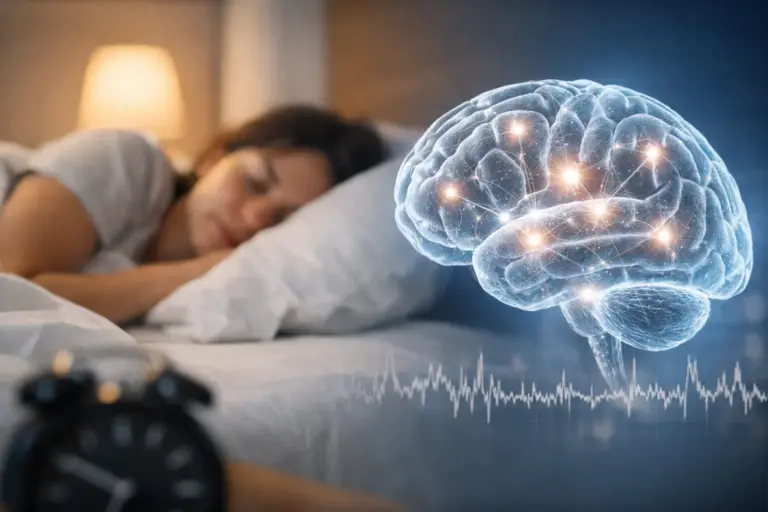
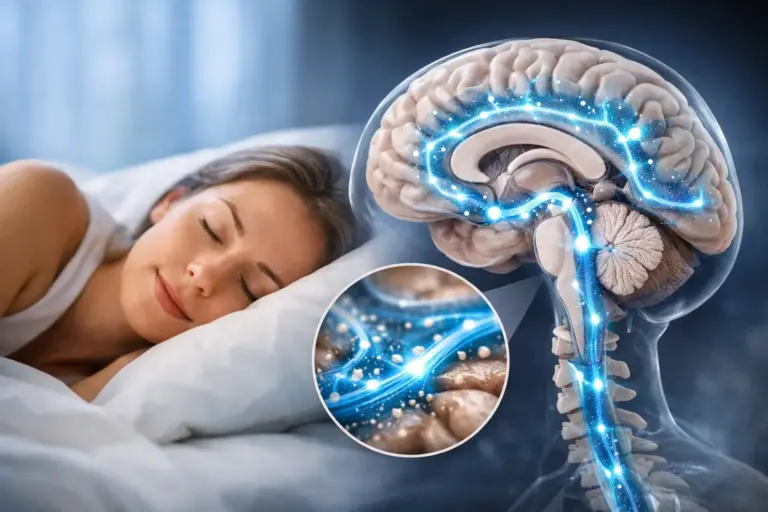
The glymphatic system changes the conversation. This newly recognized brain-wide clearance network helps move metabolic waste, excess proteins, and cellular byproducts out of the brain, especially while you sleep deeply. If brain health is a long game, supporting that natural cleanup cycle deserves more attention than it receives.
Glymphatic Support vs Nootropics: The Core Difference
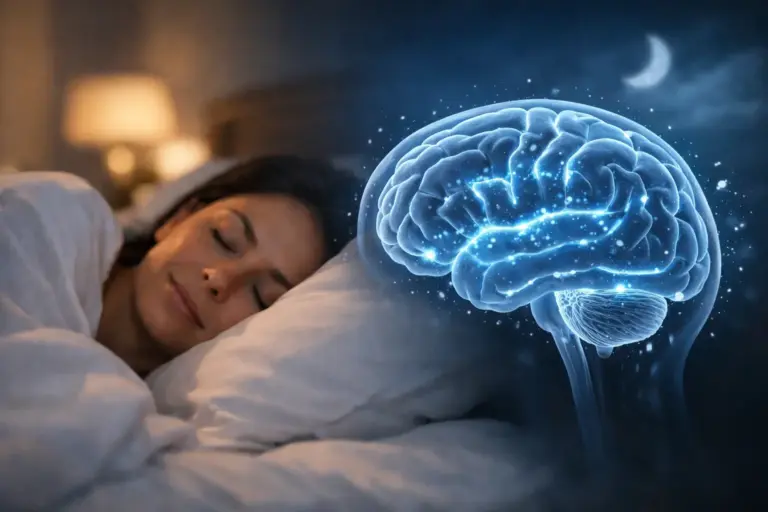
The simplest distinction is timing and purpose. Nootropics generally aim to influence how you think, feel, or perform while awake. Glymphatic support is centered on what the brain must do when you are asleep: circulate fluid, clear waste, restore its operating environment, and prepare for the next day.
Think of a nootropic as support for the brain’s daytime workload. Depending on its ingredients, it may help with attention, motivation, mental energy, recall, or resilience under stress. Some people notice an immediate effect, particularly from stimulant-like compounds. Others experience a gentler change that builds over time.
Glymphatic support addresses a more foundational question: Is your brain getting the conditions it needs to clean house? During deep sleep, cerebrospinal fluid movement increases through spaces around blood vessels, helping carry away material that builds up through normal brain activity. Sleep disruption, aging, head injury, chronic stress, and poor vascular health may all interfere with the conditions this system needs.
That does not make nootropics useless. It means they are not interchangeable with a strategy built around deep sleep and brain clearance. A supplement that makes you feel mentally switched on may be helpful in the moment, but it cannot replace the biological work of restorative sleep.
Why the Glymphatic System Matters More With Age
For a healthy younger person who sleeps consistently and wakes restored, a simple focus supplement may feel like enough. The equation changes for people who wake unrefreshed, depend on caffeine to get moving, notice worsening word-finding, or carry a history of concussion, migraines, sleep apnea, long COVID brain fog, or chronic insomnia.
These concerns do not prove glymphatic dysfunction, and they should never be self-diagnosed as a neurological disease. They do, however, point to a practical reality: the brain’s recovery systems may deserve as much attention as its daytime performance.
Aging raises the stakes. The brain does not stop producing metabolic waste because someone turns 50, 60, or 70. At the same time, sleep architecture often changes, deep sleep can become harder to maintain, and vascular factors can affect the movement of fluids in and around the brain. Researchers continue to investigate how glymphatic function connects to neurodegenerative disease, traumatic brain injury, protein buildup, and cognitive decline. The science is still developing, but the direction is clear enough to act on the fundamentals now.
Waiting for severe symptoms before caring about brain maintenance is like waiting for an engine warning light before changing the oil. Prevention is not a guarantee, but supporting normal recovery is a wiser posture than assuming the brain can run indefinitely without adequate rest and clearance.
When Nootropics Can Help – and When They Can Get in the Way
A well-chosen nootropic may still have a role in a broader brain-health plan. Someone facing occasional deadline pressure, travel-related fatigue, or a temporary period of heavy cognitive demand may value targeted daytime support. The key is to avoid treating stimulation as restoration.
The trade-off becomes obvious when a product improves alertness but undermines sleep. Late caffeine, overly stimulating blends, and ingredients that leave you wired at bedtime can reduce the very deep-sleep window the glymphatic system relies on most. You may feel more productive today while quietly borrowing from tomorrow’s recovery.
This is why ingredient labels matter. A formula built around high-dose stimulants is different from one designed for calm focus or long-term nutritional support. So is the person taking it. An adult with sleep apnea, high blood pressure, anxiety, medication use, or a history of neurological illness should be especially careful about experimenting with stimulating products without speaking to a qualified clinician.
The better question is not, “Which nootropic is strongest?” Ask, “Does this support my brain without compromising the sleep that keeps my brain maintained?” That shift alone can prevent a common cycle of fatigue, stimulants, poor sleep, and more fatigue.
Build a Brain Strategy Around Overnight Recovery
Glymphatic support is not a single pill or a shortcut. It is a brain-maintenance framework. Start with the factors that make deep, consistent sleep more likely: a regular sleep-wake schedule, a cool dark bedroom, morning light exposure, movement during the day, and a realistic cutoff for alcohol and caffeine. These are not glamorous interventions, but they affect the biological terrain where recovery happens.
Sleep-disordered breathing deserves special attention. Loud snoring, witnessed pauses in breathing, morning headaches, dry mouth, and severe daytime sleepiness are not problems to simply mask with energy supplements. They are reasons to seek medical evaluation. Repeated oxygen disruption and fragmented sleep can work directly against cognitive resilience.
Next, look at the behaviors that may burden the brain’s recovery cycle. Chronic sleep restriction, heavy evening alcohol use, unmanaged blood sugar, sedentary routines, and relentless stress do not exist in separate categories. They converge on sleep quality, inflammation, circulation, and the brain’s ability to restore itself.
Finally, consider targeted support as an addition to these foundations, not a replacement for them. Glymphatic.com developed My Brain Restore™ around a rare plant seed preserved with proprietary Ultra Chill Milled™ technology for people seeking a natural way to support the glymphatic system. Any supplement belongs in a larger plan that respects sleep, medical care, and the individual factors affecting brain health.
Choosing the Right Priority for Your Symptoms
If your main concern is a brief, situational lapse in attention and you sleep well, a carefully selected nootropic may be a reasonable tool. Start low, avoid stacking multiple stimulating ingredients, and protect your bedtime. Track whether it improves your actual day rather than merely making you feel more activated.
If your concerns center on waking unrefreshed, persistent brain fog, mental slowdown after poor sleep, or fear about long-term cognitive resilience, glymphatic support may be the more relevant starting point. Your brain cannot maintain clear thinking on demand if its restorative work is repeatedly interrupted overnight.
For many adults, the strongest approach is not either-or. It is daytime support used thoughtfully, paired with a non-negotiable commitment to deep sleep and brain clearance. The order matters: build recovery first, then decide whether performance support is still needed.
A Better Standard for Brain Health
The nootropics market often trains people to chase a feeling: more energy, more drive, more focus. Those benefits can be attractive, especially when brain fog makes ordinary tasks feel exhausting. But brain health should be measured by more than how intensely you can push through the day.
A better standard asks whether your routine helps you sleep deeply, wake with greater clarity, and protect the systems that keep the brain resilient over years. That is where glymphatic support earns its place. It directs attention to the maintenance work that cannot be replaced by another cup of coffee or a stronger focus formula.
Tonight, make one decision that gives your brain a fuller recovery window: protect your bedtime, reduce the stimulation that follows you into bed, and treat deep sleep as active brain care rather than idle time.