The Future of Glymphatic Research Is Personal
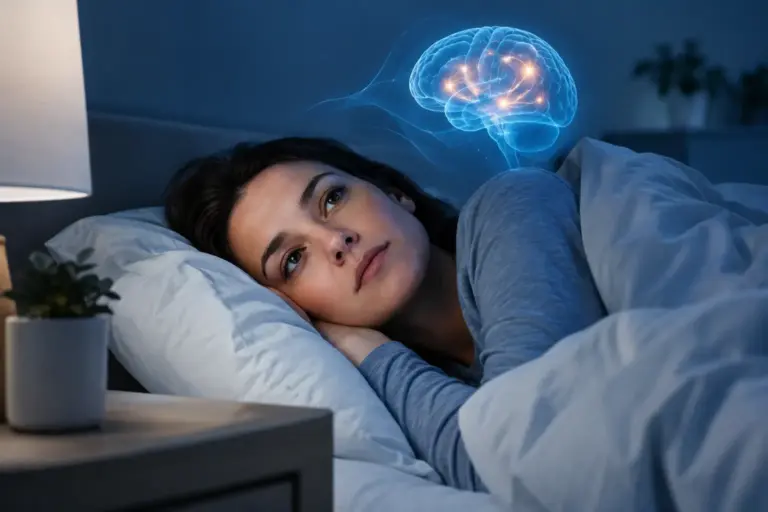
A restless night does more than leave you tired. It may interrupt one of the brain’s most consequential maintenance cycles: the movement of fluid that helps clear metabolic waste during sleep. The future of glymphatic research is personal because it may change how we understand brain fog, cognitive aging, concussion recovery, and the long-term cost of chronically poor sleep.
For decades, brain health conversations centered on neurons: protect them, stimulate them, keep them firing. That matters. But a healthier question is now gaining ground: How does the brain clean up after itself? The glymphatic system has pushed that question into the center of neuroscience, revealing that brain resilience depends not only on what the brain builds, but also on what it removes.
Why Glymphatic Research Has Become So Urgent
The glymphatic system is a brain-wide waste-clearance pathway that uses cerebrospinal fluid and fluid movement around blood vessels to help transport metabolic byproducts out of brain tissue. It is most active during certain sleep states, especially deep, slow-wave sleep. This makes sleep more than a period of mental inactivity. It is part of the brain’s nightly recovery infrastructure.
Scientists are investigating how this system may be affected by aging, sleep disruption, vascular health, head injury, inflammation, and neurodegenerative disease. That does not mean impaired glymphatic function has been proven to cause every condition associated with cognitive decline. The science is still developing, and human research is more difficult than laboratory research. But the pattern is compelling enough to demand attention.
When clearance systems lose efficiency, proteins and metabolic waste may linger longer in the brain environment. Researchers are especially interested in proteins such as amyloid-beta and tau because of their relationship to Alzheimer’s disease and other neurodegenerative conditions. The central idea is not that one bad night creates a disease. It is that years of disrupted recovery may create a brain environment less equipped to maintain itself.
That distinction matters. The glymphatic system is not a miracle explanation for every neurological symptom. It is a foundational biological system that may help explain why sleep, circulation, inflammation, and brain aging are so deeply connected.
The Future of Glymphatic Research Will Move Beyond Sleep
Sleep will remain central to this field, but the next phase of research will be broader. Scientists want to know why glymphatic flow differs from one person to another, what slows it down, and which interventions can meaningfully support it over time.
Better ways to see a living brain at work
Much of the early glymphatic research came from animal studies, where researchers could observe fluid movement in detail. Human brains are harder to study. They are larger, more complex, and cannot be investigated with the same methods. That has created a major challenge: translating promising mechanisms into reliable human guidance.
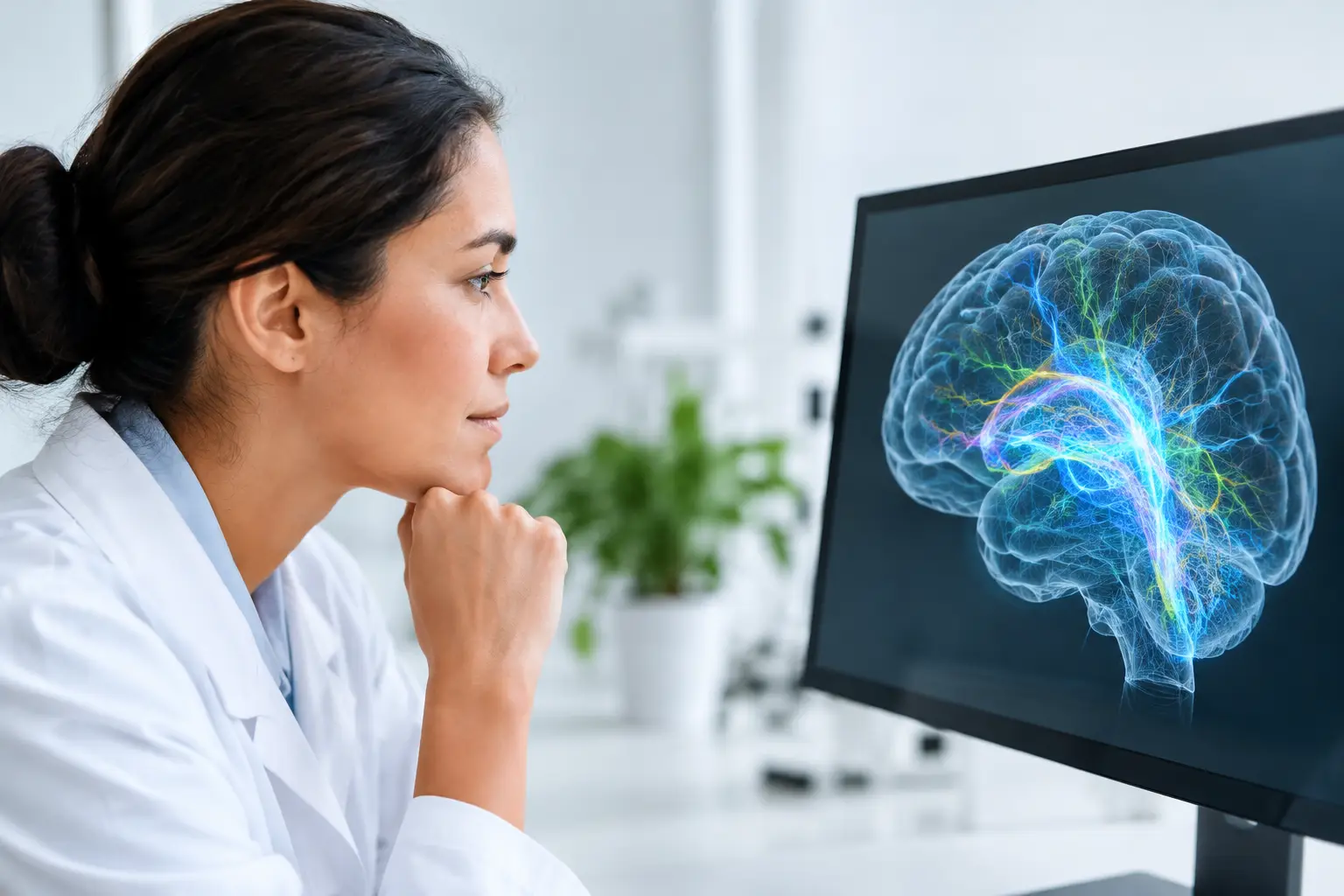
Advanced MRI techniques, sleep monitoring, fluid biomarkers, and computational models are beginning to close that gap. Future studies may allow clinicians to assess clearance-related changes with greater precision rather than relying solely on symptoms, cognitive testing, or late-stage disease markers.
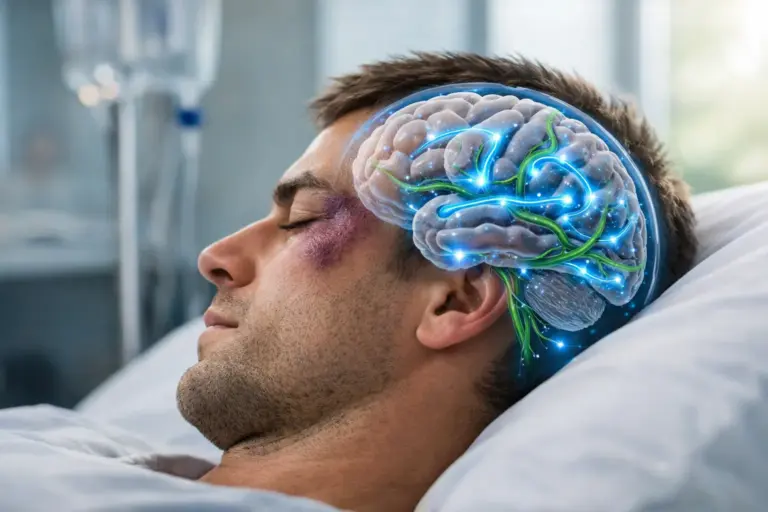
This could be particularly meaningful for people with a history of concussion, traumatic brain injury, chronic insomnia, sleep apnea, migraine, or persistent brain fog after illness. These groups often know something feels off long before conventional testing provides a satisfying explanation. Better glymphatic measurement may eventually give researchers a clearer window into what recovery looks like inside the brain.
Personalized brain maintenance
The most important shift may be personalization. Deep sleep needs, vascular risks, medication use, inflammation levels, alcohol exposure, exercise habits, and injury history vary dramatically from person to person. A one-size-fits-all brain-health plan was never likely to be enough.
Future glymphatic research may identify patterns that help people act earlier. Someone with fragmented deep sleep may need a different strategy than someone with well-managed sleep but poor cardiovascular health. An older adult concerned about memory changes may require a different approach than an athlete recovering from repeated head impacts.
That does not mean every person will need an expensive brain scan. It means the field is moving toward a more useful principle: brain maintenance should reflect the factors that shape an individual’s ability to recover, clear waste, and sustain cognitive performance.
The Questions Science Still Has to Answer
The excitement around glymphatic science should not erase its unanswered questions. Researchers are still determining exactly how fluid flow changes across sleep stages in humans, how strongly sleep position influences clearance, and whether observed improvements in fluid movement translate into better long-term cognitive outcomes.
They also need to establish which interventions produce durable benefits. Improving sleep quality is sensible and supported by broad health evidence. Yet a change that improves sleep tracking data for two weeks is not automatically proven to reduce disease risk decades later. Responsible brain-health education has room for urgency without pretending uncertainty does not exist.
Another complication is that the glymphatic system does not operate alone. Blood vessels, immune activity, the blood-brain barrier, kidney and liver function, and the body’s broader metabolic health all influence the environment in which the brain recovers. A supplement, sleep habit, or wellness device cannot substitute for addressing untreated sleep apnea, uncontrolled blood pressure, diabetes, major depression, or repeated head trauma.
The most credible future will be one that respects this complexity. Glymphatic support should become part of brain care, not a replacement for medical evaluation when symptoms are new, severe, or progressing.
What You Can Do While Research Catches Up
You do not need to wait for every unanswered question to begin taking brain recovery seriously. The practical foundation is to protect the conditions under which glymphatic activity appears to function best: restorative sleep, healthy circulation, and lower chronic inflammatory burden.
Start with sleep continuity. A long time in bed is not the same as stable, restorative sleep. Keep a consistent sleep and wake schedule, make the bedroom dark and cool, and treat frequent nighttime waking as a health signal rather than an inconvenience. If loud snoring, gasping, morning headaches, or daytime sleepiness are present, ask a qualified clinician about sleep apnea screening. Repeated drops in oxygen and fragmented sleep can undermine far more than next-day energy.
Support circulation during the day. Regular movement, strength training, blood pressure management, hydration, and a diet built around minimally processed foods all support the vascular side of brain health. The goal is not perfection. It is to create a body that can deliver oxygen, regulate inflammation, and enter deep sleep with fewer obstacles.
Be especially protective after a head injury. Returning to intense activity too quickly after a concussion can be a costly mistake. Recovery plans should be individualized and medically guided, particularly when headaches, dizziness, balance changes, visual symptoms, or cognitive problems persist.
For people seeking natural support alongside these fundamentals, the category matters. Glymphatic.com developed My Brain Restore™ around the specific goal of supporting the glymphatic system, using a rare plant seed preserved with Ultra Chill Milled™ technology. It should be viewed as a complement to sleep, lifestyle, and appropriate medical care, not as a substitute for them.
A New Standard for Brain-Health Decisions
The public has been taught to wait for cognitive problems before treating brain health as urgent. Glymphatic science challenges that habit. If nightly brain clearance is part of long-term neurological maintenance, then protecting deep sleep and recovery is not merely about feeling refreshed tomorrow. It is a proactive investment in the decades ahead.
The future of glymphatic research may bring better diagnostics, more targeted interventions, and a sharper understanding of who is most vulnerable to impaired clearance. But the message available now is already powerful: your brain needs protected time to repair, regulate, and clear what it no longer needs.
Tonight, treat sleep as brain maintenance with a real biological purpose. Small, consistent choices that defend recovery may be among the most practical ways to respect the brain you rely on for everything.