Does Sleep Affect Brain Toxin Removal at Night?
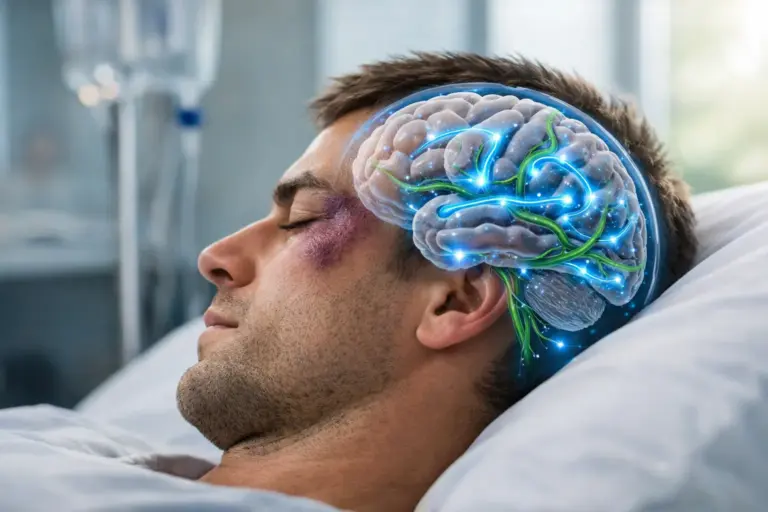
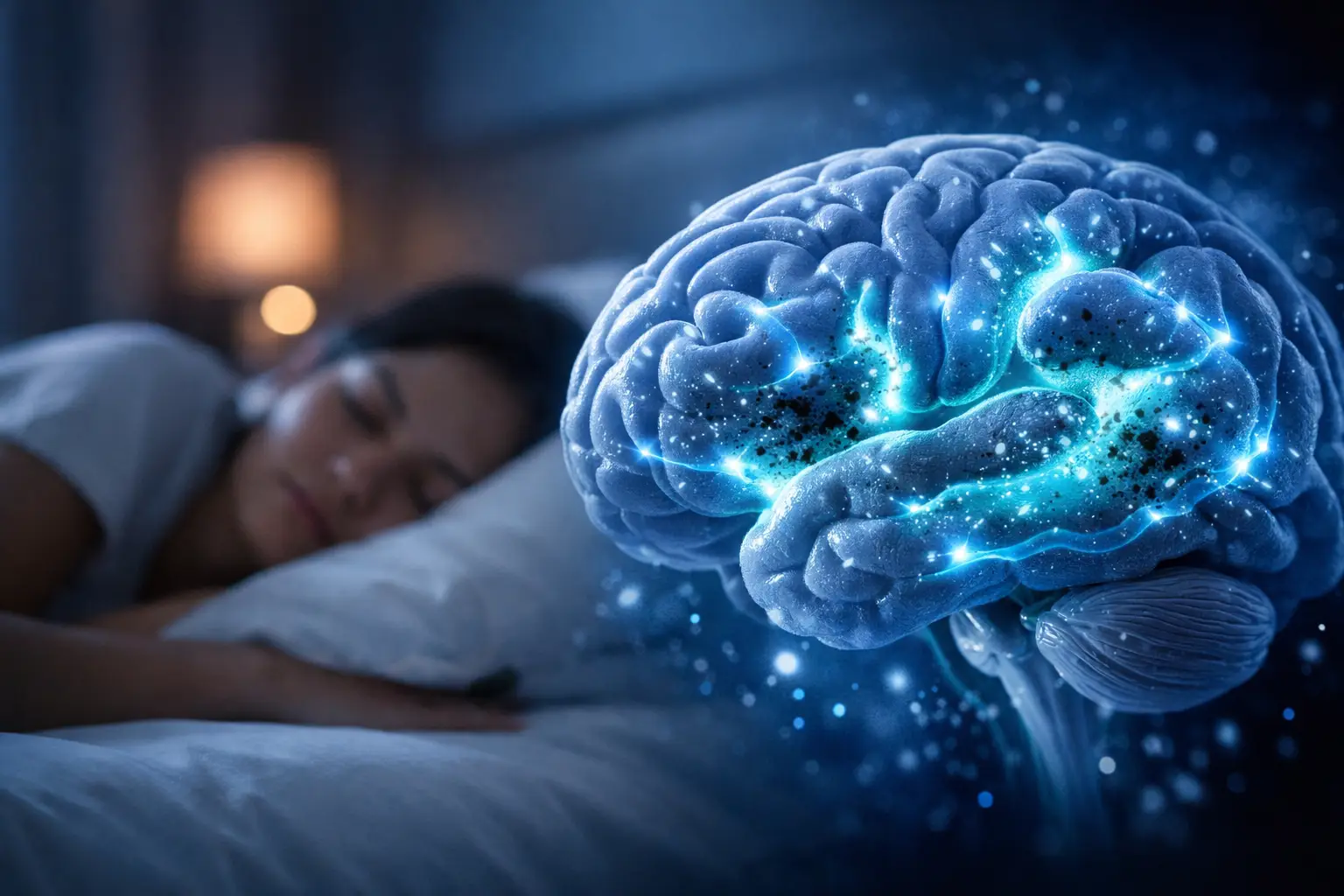
A restless night does more than leave you irritable and reaching for coffee. It may cut into one of the brain’s most essential maintenance windows. Does sleep affect brain toxin removal? Yes. Sleep, especially deep non-REM sleep, appears to help the brain move metabolic waste out through its specialized fluid-clearance network: the glymphatic system.
For anyone concerned about brain fog, aging, concussion history, migraines, or long-term cognitive resilience, this changes how sleep should be viewed. Sleep is not passive downtime. It is a period when the brain shifts resources toward repair, recovery, and waste clearance.
Does Sleep Affect Brain Toxin Removal? The Short Answer
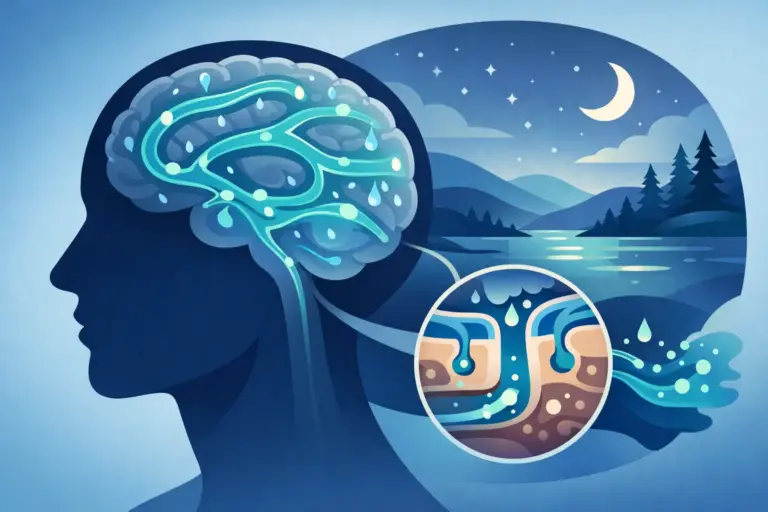
The brain produces waste every hour it is active. Neurons use energy, communicate through chemical signals, and create byproducts that need to be moved away. Unlike many parts of the body, the brain does not rely on a conventional lymphatic system within its tissue. Instead, it uses a distinct pathway involving cerebrospinal fluid, blood vessels, support cells, and fluid channels around the brain.
This pathway is called the glymphatic system. During sleep, cerebrospinal fluid moves more effectively through spaces surrounding blood vessels and brain cells, helping carry away metabolic waste. Research has connected this process with the clearance of proteins such as beta-amyloid and tau, which are of major interest in Alzheimer’s disease research. The system also helps manage lactate and other byproducts of normal brain metabolism.
That does not mean one bad night “fills the brain with toxins,” or that sleep alone prevents neurological disease. Brain health is more complicated than that. But chronic short sleep, fragmented sleep, untreated sleep apnea, and disrupted circadian rhythms can all interfere with the conditions the glymphatic system needs to do its work.
Why Deep Sleep Matters Most
Not all sleep stages do the same job. Deep sleep, also called slow-wave sleep, is particularly relevant to brain waste clearance. In this stage, brain activity becomes slower and more synchronized. Changes in blood flow, brain-cell activity, and cerebrospinal fluid movement appear to create a stronger cleaning rhythm.
One of the most compelling findings is that slow brain waves, blood flow, and cerebrospinal fluid pulses can become coordinated during deep sleep. Think of it less as a single drain opening and more as a timed circulation process. The sleeping brain creates physical conditions that help fluid exchange and clearance occur more efficiently.
This is why eight hours in bed is not always the same as eight hours of restorative sleep. A person who wakes repeatedly, snores heavily, stops breathing, drinks alcohol close to bedtime, or spends much of the night in shallow sleep may get less deep sleep than their time in bed suggests.
Age matters, too. Deep sleep often declines with age, precisely when many people become more concerned about memory lapses and cognitive slowing. That overlap does not prove that reduced glymphatic clearance causes every age-related brain change. It does make deep, protected sleep a serious priority for people who want to maintain neurological resilience.
What Can Disrupt the Brain’s Overnight Cleanup?
The glymphatic system is an emerging field, and scientists are still defining exactly how it operates in humans. Much of the detailed mechanistic research began in animal models, while human studies use imaging, sleep measurements, and markers in blood or cerebrospinal fluid. Still, the practical message is already clear: the habits that damage sleep can also undermine the brain’s recovery environment.
Sleep apnea deserves particular attention. Repeated drops in oxygen, brief awakenings, and changes in pressure and blood flow can fragment sleep all night long, even when someone does not remember waking. Loud snoring, gasping, morning headaches, daytime sleepiness, and resistant high blood pressure are reasons to discuss sleep apnea screening with a clinician.
Alcohol is another common disruptor. It may make a person feel sleepy at first, but it can reduce sleep quality later in the night and fragment normal sleep architecture. Sedating medications can have similar trade-offs. They may be appropriate in certain medical situations, but feeling unconscious is not necessarily the same as getting the natural cycling and deep sleep the brain needs.
Late-night light exposure, irregular bedtimes, untreated pain, chronic stress, and caffeine too late in the day can also reduce sleep depth. These are not minor lifestyle details when the goal is long-term brain maintenance. They are potential barriers to the nightly biological process designed to clear metabolic clutter.
Sleep Is Necessary, but It Is Not the Whole Story
A common mistake is to treat glymphatic function as a switch: sleep well and the system works perfectly; sleep poorly and it fails. Real biology is not that simple. Clearance is influenced by sleep quality, age, cardiovascular health, inflammation, physical activity, head injury, vascular changes, and potentially sleeping position. The evidence on side sleeping is interesting but not strong enough to turn a preferred position into a medical prescription.
The same caution applies to disease claims. Glymphatic dysfunction is being studied in relation to Alzheimer’s disease, Parkinson’s disease, traumatic brain injury, stroke, migraine, and other neurological conditions. That research is highly relevant, but it does not mean a sleep routine can diagnose, treat, reverse, or prevent these conditions.
What it does mean is that sleep should no longer be dismissed as a soft wellness topic. If you are trying to protect cognitive function, recover from prolonged stress, or support a brain that has carried decades of metabolic demand, your sleep architecture belongs in the conversation.
How to Support Glymphatic Clearance Through Sleep
The goal is not perfection. It is to create more nights when your brain can reach and sustain deeper sleep without repeated disruption. Start by anchoring your wake-up time. A consistent morning schedule helps stabilize circadian timing, which makes it easier for the body to build sleep pressure at night.
Give yourself a real wind-down period, not just the moment between scrolling and turning off the lamp. Lower lights in the evening, keep the bedroom cool and dark, and move mentally demanding work earlier when possible. If you use caffeine, pay attention to its half-life rather than assuming an afternoon cup has worn off by bedtime.
Exercise supports sleep for many people, but timing is individual. Some sleep better with earlier activity, while others tolerate evening exercise well. The right approach is the one that improves your sleep continuity rather than leaving you activated at midnight.
If you wake frequently, do not simply normalize it. Track the pattern for a couple of weeks. Notice snoring, reflux, pain, bathroom trips, overheating, alcohol use, and stress spikes. Those details can point to a solvable cause. Persistent insomnia, substantial daytime fatigue, cognitive changes, or suspected breathing problems deserve medical attention.
For people building a broader brain-health routine, Glymphatic.com’s My Brain Restore™ is positioned as a natural way to support the glymphatic system alongside the fundamentals that no supplement can replace: deep sleep, regular movement, nourishing food, and appropriate medical care. Supplements should be reviewed with a qualified clinician if you take medications, are pregnant, or are managing a medical condition.
The Bigger Shift: Treat Sleep as Brain Maintenance
For decades, the public conversation around sleep focused on energy, mood, and productivity. Those matter. But the glymphatic system gives sleep a deeper biological significance. Each night is an opportunity for fluid movement, metabolic housekeeping, and recovery inside the organ that governs every memory, decision, and relationship in your life.
You do not need to fear every restless night. You do need to respect the pattern. Protect your deep sleep with the same seriousness you bring to diet, exercise, blood pressure, and preventive care. Your brain has a cleanup system. Give it the time and conditions to work.