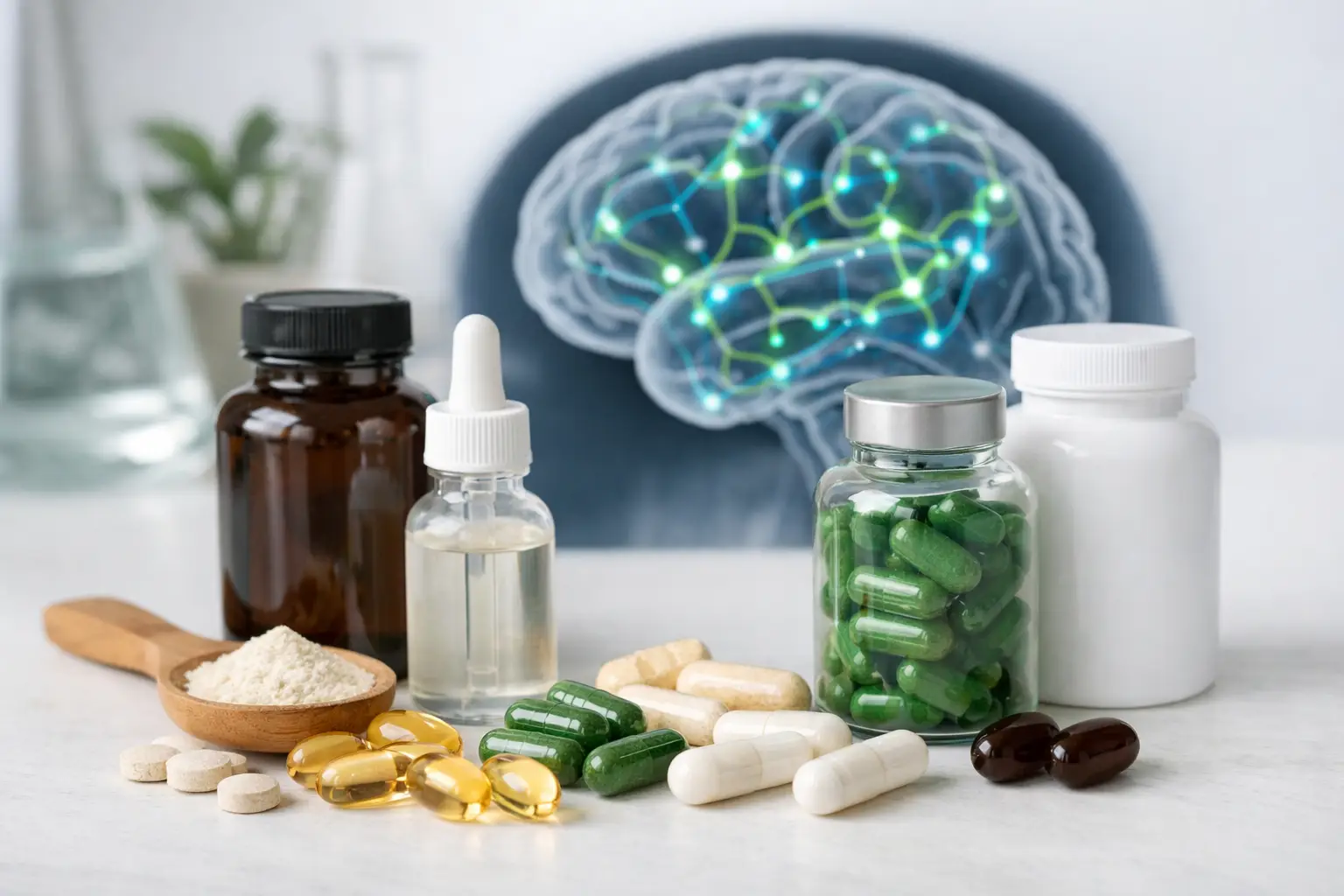
7 Best Supplements for Glymphatic System
Most people think brain support starts with memory pills, caffeine alternatives, or generic nootropics. It doesn’t. If you care about brain fog, aging, sleep quality, or long-term neurological resilience, the real question is much more specific: what are the best supplements for glymphatic system support, and do any of them actually help the brain clean itself during deep sleep?
That question matters because the glymphatic system is not a marketing buzzword. It is the brain’s waste-clearance network – a sleep-driven process tied to the removal of metabolic debris, including proteins and toxins that can build up when sleep is poor or neurological stress is high. If this system is underperforming, chasing “focus” without supporting cleanup is like painting over water damage. You may feel temporary relief, but the underlying problem remains.
What makes the best supplements for glymphatic system support?
Here is the hard truth: there is no long list of mainstream supplements that were specifically designed for the glymphatic system. That is exactly why this category is so misunderstood. Most brain formulas target stimulation, mood, or broad antioxidant support. Very few are built around the biology of nighttime brain clearance.
So when evaluating the best supplements for glymphatic system health, the standard should be higher than “sounds good for the brain.” A supplement should make sense in the context of deep sleep, brain recovery, inflammation control, oxidative stress, or structural support for the cellular environment that allows glymphatic flow to work efficiently.
That also means trade-offs matter. Some ingredients may help sleep but leave you groggy. Others may support general brain health but have no clear relationship to glymphatic activity. The goal is not sedation. The goal is support for the conditions under which the brain’s cleanup system does its best work.
1. Glymphatic-targeted seed extracts
If you want specificity, this is where the conversation changes. A rare plant seed extract preserved to protect its active compounds is one of the few natural interventions positioned around direct glymphatic-system support rather than generic “brain wellness.” That distinction is huge.
The reason this category stands out is simple: most supplements were never developed with the glymphatic system in mind. A targeted seed-based formula built specifically for this pathway is trying to solve the right problem. That does not mean every product making bold claims deserves trust. It means category specificity matters, especially when the goal is sleep-related brain recovery rather than daytime stimulation.
This is also why a product like My Brain Restore™ stands apart. It was created around glymphatic support, not retrofitted from a standard nootropic or sleep blend. For consumers who are serious about brain maintenance, that kind of biological precision is far more compelling than another capsule packed with trendy ingredients.
2. Magnesium threonate
Magnesium is not new, but magnesium threonate gets attention for a reason. Unlike cheaper forms, it has been studied for its potential relevance to brain health and cognitive support. It is often used by people who want sleep support without the heavy, drug-like feel of stronger sedatives.
For glymphatic support, magnesium threonate is interesting because deep sleep is central to the entire cleanup process. If an ingredient helps support calmer nighttime brain states and better sleep architecture, it may indirectly help the glymphatic system do its job. That said, indirect is the key word. Magnesium threonate is not the same as a glymphatic-specific supplement. It may support the environment, but it is not a dedicated solution.
3. Melatonin
Melatonin is one of the most obvious names in this conversation because the glymphatic system is strongly tied to sleep timing and sleep depth. If your circadian rhythm is off, your brain’s cleanup window may be compromised night after night.
Used carefully, melatonin can help reset timing issues, especially for people with jet lag, shift-related disruption, or an age-related drop in natural melatonin production. But more is not better. High doses can backfire, cause next-day grogginess, or create an artificial sleep pattern that feels heavy rather than restorative. For some people, low-dose melatonin is useful. For others, it is too blunt a tool.
4. Omega-3 fatty acids
Omega-3s earn their place because the brain is deeply dependent on healthy fats, and neuroinflammation can interfere with recovery. DHA in particular is structurally important for brain tissue, while EPA is often discussed in relation to inflammatory balance.
This is another indirect support category. Omega-3s are not glymphatic supplements in the strict sense, but they may help create a healthier neurological environment. That matters if your concern is long-term brain maintenance, aging, or recovery after periods of intense stress. The limitation is that many fish oil products are low quality, oxidized, or underdosed. A weak omega-3 supplement is unlikely to move the needle.
5. Apigenin or calming flavonoids
Apigenin, a plant compound found in chamomile and other botanicals, has become popular among people trying to support relaxation and sleep quality. The appeal is obvious: anything that helps the brain shift into deeper, more restorative nighttime patterns could theoretically support glymphatic function.
Still, this is an area where people overreach. Calming is not the same as glymphatic activation. A supplement can make you feel sleepy without meaningfully improving the quality of overnight brain recovery. Apigenin may be a useful add-on for some people, especially those with stress-driven sleep disruption, but it should not be mistaken for a targeted glymphatic intervention.
6. Phosphatidylserine
Phosphatidylserine is usually discussed in the context of memory, stress response, and cortisol regulation. That last point is what makes it relevant here. Elevated nighttime stress chemistry can interfere with the deep sleep states the glymphatic system depends on.
For people who feel tired but wired, phosphatidylserine may help support a healthier transition into nighttime recovery. But this is highly individual. If your sleep problems are driven by circadian disruption, airway issues, pain, or medication effects, phosphatidylserine may offer little benefit. It fits best when stress physiology is part of the problem.
7. Antioxidant support such as curcumin
Curcumin and similar antioxidant compounds are often used to support inflammatory balance and cellular health. Since the brain’s cleanup systems operate within a wider environment of oxidative stress, inflammation, and vascular function, antioxidant support can make sense as part of a broader strategy.
The challenge is bioavailability and specificity. Many antioxidant formulas sound impressive but are poorly absorbed or too general to justify strong claims about glymphatic benefits. Curcumin may be useful for some people, especially those looking at age-related inflammation or recovery support, but it is still not a substitute for a formula designed around the glymphatic system itself.
What usually does not belong on a best supplements for glymphatic system list
A lot of products marketed for “brain health” are simply not relevant here. High-stimulant nootropics may improve alertness while doing nothing for deep sleep. Heavy sedatives may knock you out while degrading sleep quality. Generic mushroom blends, multivitamins, and memory stacks can have value, but they are usually too broad to count as meaningful glymphatic support.
This is where consumers get misled. Feeling something is not the same as supporting the right system. If a formula boosts energy at noon but ignores the brain’s nighttime cleanup window, it may help performance while missing maintenance.
How to choose the right supplement for your situation
If your main issue is poor sleep timing, melatonin or magnesium may be worth considering. If your concern is long-term brain resilience, inflammation, or aging, omega-3s and antioxidant support may have a place. If stress is blocking deep sleep, phosphatidylserine or calming botanicals may help.
But if your goal is specifically glymphatic support, be honest about what most supplements can and cannot do. Supportive ingredients are not the same as targeted ingredients. General brain wellness is not the same as helping the brain clear waste during deep sleep.
That is the gap many consumers never see until they understand the biology. Once you do, the market looks very different. You stop asking which supplement is popular and start asking which one was actually built for the system you are trying to support.
The most useful shift is this: stop treating brain health like a daytime performance problem only. Real brain maintenance happens at night, when cleanup, recovery, and neurological housekeeping are supposed to occur. Choose supplements that respect that reality, and your strategy gets sharper fast.