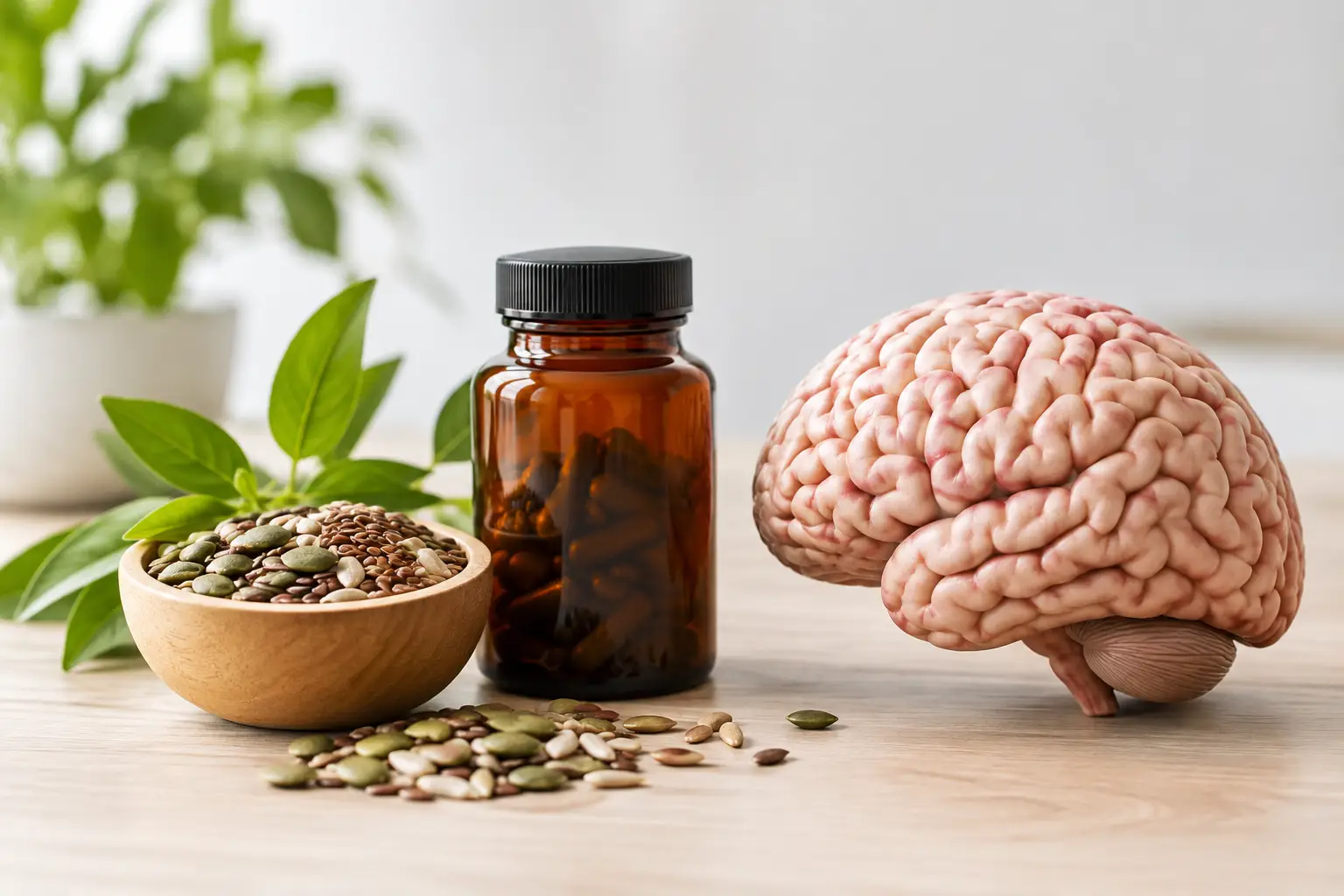
Plant Seed Extract Review for Brain Health
A bottle can promise sharper thinking, deeper sleep, and a cleaner brain. But a meaningful plant seed extract review starts somewhere more demanding: What plant is it? What part of the seed is used? How is it processed? And does the formula make biological sense for the brain process it claims to support?
For adults concerned about brain fog, aging, restless sleep, concussion history, or long-term cognitive resilience, those are not minor details. The brain has its own nightly maintenance system, and the difference between a generic “brain supplement” and a thoughtfully designed formula may come down to whether it supports that system at all.
Why seed extracts deserve closer scrutiny
Seeds are built to protect life. They can contain concentrated fats, polyphenols, sterols, proteins, and other plant compounds that help a young plant survive environmental stress. That chemistry is precisely why seeds have been used in food traditions and wellness practices for generations.
It is also why the phrase “seed extract” tells you very little by itself. Grape seed extract, black cumin seed, celery seed, milk thistle seed, and dozens of other ingredients have entirely different chemical profiles and potential effects. One may be studied mainly for vascular function, another for inflammation-related pathways, and another for digestion. Treating them as interchangeable because they all come from seeds is not science.
A serious review asks whether the specific extract has a plausible purpose. For brain health, that means looking beyond broad claims about energy or memory and asking whether the ingredient relates to sleep quality, inflammation, oxidative stress, circulation, neural signaling, or the brain’s waste-clearance environment.
The overlooked issue: brain maintenance during deep sleep
Your brain is metabolically expensive tissue. Every day, its cells create proteins, metabolites, and other byproducts that must be managed. During deep sleep, cerebrospinal fluid movement and brain-wide fluid exchange become more active through the glymphatic system, a network involved in clearing metabolic waste from brain tissue.
This is one reason poor sleep can feel like more than fatigue. When deep, restorative sleep is repeatedly disrupted, people may notice slower recall, reduced mental stamina, headaches, mood changes, and the familiar sensation of brain fog. Those symptoms do not prove a glymphatic problem, and they can have many causes. Still, the relationship between sleep, brain recovery, and long-term neurological maintenance deserves far more attention than it receives.
That context changes how to evaluate a plant extract. The relevant question is not simply, “Does this make me feel stimulated?” A stimulant may make a tired brain feel temporarily more alert while doing nothing to improve the conditions needed for nighttime recovery. A more intelligent brain-health strategy considers what happens after the lights go out.
Plant Seed Extract Review: What to examine first
Identify the botanical clearly
A trustworthy supplement should disclose the common name, Latin botanical name, plant part, and amount per serving. “Proprietary seed complex” can be a red flag when it prevents you from knowing what you are taking or how much.
There are legitimate reasons for proprietary processing, especially when a company is protecting a delicate ingredient or extraction method. But the identity of the botanical and the basic amount should not be a mystery. If transparency is missing, it becomes difficult to assess safety, research relevance, or potential interactions.
Ask what processing protects or destroys
Not all plant extracts are created by simply grinding a seed into powder. Heat, oxygen, light, solvents, storage conditions, and milling methods can all affect fragile compounds. A seed may look impressive on a label but deliver less than expected if its active constituents degrade before the product reaches you.
This is where manufacturing details matter. Cold-processing methods may be relevant when a brand can explain why temperature control preserves the compounds it is relying on. The claim should be specific, not decorative. A named technology is useful only if it is connected to a clear rationale for ingredient quality and consistency.
Separate mechanism from outcome claims
A compound may influence an antioxidant pathway in a lab setting. That does not automatically mean it prevents cognitive decline, treats Alzheimer’s disease, heals a traumatic brain injury, or eliminates long COVID brain fog in people.
The strongest language is often the most disciplined language. Look for support-focused claims rather than miracle promises. A responsible brain formula can be part of a wider plan for sleep, nutrition, medical evaluation, movement, and risk reduction. It is not a substitute for diagnosis or treatment when new neurological symptoms, worsening memory, severe headaches, balance changes, or sleep apnea are involved.
Why glymphatic support is a different category
Most cognitive supplements compete for attention using a familiar script: more focus, more energy, more output. That approach overlooks a central reality of brain biology. Maintenance matters as much as performance.
Glymphatic-system support is not about forcing the brain into overdrive. It is about creating better conditions for the brain’s natural overnight housekeeping. That can make particular sense for people who wake unrefreshed, rely on late-day stimulants to function, or have spent years sacrificing sleep while assuming they could “catch up” later.
The research on the glymphatic system is still developing, particularly around which interventions produce meaningful outcomes in humans. That is the trade-off. This field is exciting because it identifies a real and previously underappreciated brain process, but no single supplement should be portrayed as a guaranteed reset button. The prudent response is not to ignore the science. It is to use it intelligently.
My Brain Restore™ is designed around that more specific goal, using a rare plant seed preserved with Ultra Chill Milled™ technology to support the glymphatic system rather than merely chasing a short-lived nootropic effect. For consumers who want a natural, sleep-centered approach to brain maintenance, that category focus is significant.
Who may want to consider a seed-based brain formula?
A targeted formula may appeal to the person who has begun noticing that poor sleep now carries into the next day as forgetfulness or mental dullness. It may also interest older adults seeking a proactive routine, caregivers worried about a loved one’s cognitive trajectory, and people recovering their routines after periods of intense stress, shift work, or disrupted sleep.
There are also people with a migraine history, concussion history, chronic sleep disruption, or persistent brain fog who understandably want more options. They should be especially careful not to self-diagnose based on supplement marketing. Those concerns can overlap with conditions that require medical assessment. A supplement can support wellness, but it should never delay evaluation for serious or progressive symptoms.
Medication use matters, too. Plant compounds can interact with prescription drugs, particularly blood thinners, blood-pressure medications, diabetes medications, sedatives, and drugs metabolized by the liver. Pregnant or nursing individuals and people preparing for surgery should consult a qualified clinician before starting a new extract.
How to use a review without getting trapped by hype
Read a plant seed extract review as a filter, not as a verdict. Start with the ingredient identity and processing method. Then look at the claims being made. Are they framed around support, or do they imply treatment of a disease? Does the brand acknowledge that sleep habits and health conditions influence results? Is the product positioned as a single tool within a larger brain-health practice?
Also consider your actual goal. If you need immediate alertness for an occasional late night, a sleep-centered formula may not deliver the sensation you expect. If your concern is long-term recovery, cognitive maintenance, and the quality of your nighttime restoration, a formula built around glymphatic support may be more aligned with the question you are trying to answer.
Consistency matters more than chasing a dramatic first-day feeling. Pair any brain-support routine with a regular sleep schedule, a dark and cool bedroom, daytime light exposure, physical activity appropriate to your health, and attention to alcohol use. These fundamentals are not glamorous, but they influence the biology a supplement is meant to support.
The best reason to consider a carefully made plant seed extract is not fear. It is the recognition that your brain performs vital maintenance while you sleep, and that protecting this nightly recovery window is one of the most practical investments you can make in the years ahead.