Long COVID Brain Fog Support That Starts With Sleep
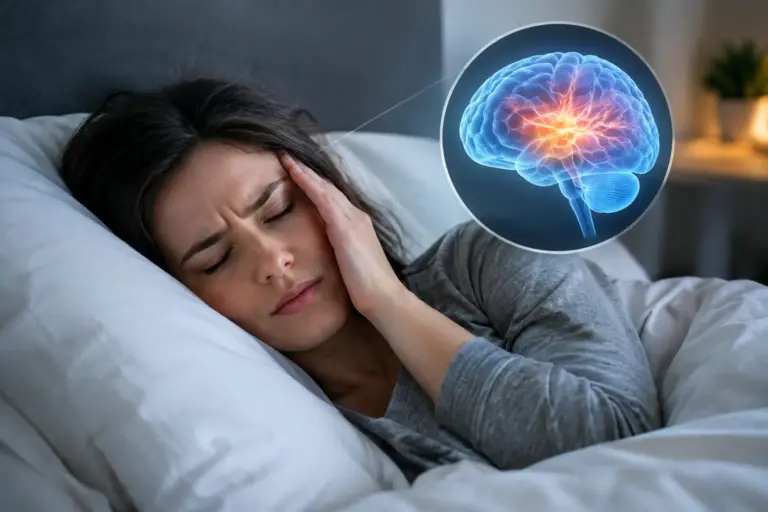
Brain fog after COVID is not a character flaw, a lack of discipline, or something you should simply push through. For many people, it is the stubborn reality of long COVID: lost words mid-sentence, poor short-term memory, slowed thinking, headaches, and the unnerving feeling that your mind is operating through a thick filter. Effective long COVID brain fog support starts by taking those symptoms seriously – and by looking beyond quick fixes.
The brain needs recovery conditions. Sleep, circulation, stress regulation, activity pacing, nutrition, and medical evaluation all matter. One often-overlooked part of that recovery picture is the glymphatic system, the brain’s waste-clearance network that is especially active during deep sleep.
Why Long COVID Brain Fog Can Feel So Different
Brain fog is a broad term, but long COVID cognitive symptoms often arrive with a recognizable pattern. You may be able to complete a task one day, then feel mentally depleted after a similar effort the next. A conversation, grocery trip, work meeting, or poor night of sleep can trigger a disproportionate crash. This is why forcing your way back to your old pace can backfire.
Researchers are still working out the precise mechanisms behind long COVID. The picture may involve ongoing immune disruption, inflammation, changes in blood flow, autonomic nervous system dysfunction, poor sleep, mood changes, and post-exertional symptom worsening. These factors can overlap. Two people with the same diagnosis may need very different support plans.
That uncertainty does not mean nothing can be done. It means brain fog deserves a strategy that protects recovery capacity instead of chasing stimulation. More caffeine, more screen time, and more pressure to perform can leave an already taxed system with even less room to reset.
The Glymphatic System and Brain Recovery
Your brain creates metabolic byproducts as it works. During quality sleep, especially deeper stages, the glymphatic system helps move fluid through brain tissue and clear certain waste products. Think of it less as a magic detox and more as a foundational housekeeping process.
Sleep disruption is common after COVID. Some people struggle to fall asleep; others wake repeatedly, experience vivid dreams, or spend enough hours in bed without feeling restored. When deep, consolidated sleep is compromised, the brain loses valuable time for recovery-oriented maintenance.
No one can claim that glymphatic support alone resolves long COVID brain fog. Long COVID is more complex than any single system. But the glymphatic connection gives people a practical reason to protect sleep with the same seriousness they would give physical rehabilitation. Brain recovery is not passive. It is biological work that needs the right conditions.
Long COVID Brain Fog Support: Build a Lower-Load Routine
The most useful routines are often less dramatic than people expect. They reduce the demands that worsen symptoms while making recovery signals more consistent. Start with a realistic baseline, not an idealized schedule you cannot sustain.
Pace Before You Crash
Post-exertional symptom exacerbation can affect both the body and the mind. If a mentally demanding day leaves you wiped out, irritable, dizzy, or unable to think clearly for the next day or two, that is data. It may mean your current cognitive load exceeds your available energy.
Break demanding tasks into shorter blocks and stop before your symptoms spike. Use reminders, written checklists, quiet work periods, and recovery time between appointments. Pacing is not giving up. It is a way to avoid repeatedly overdrawing an energy account that is already strained.
Make Sleep a Non-Negotiable Recovery Window
Aim for a stable wake time, then build your evening around protecting sleep pressure. Keep the bedroom cool, dark, and quiet. Get outdoor light early in the day when possible, and reduce bright screens and emotionally activating content before bed.
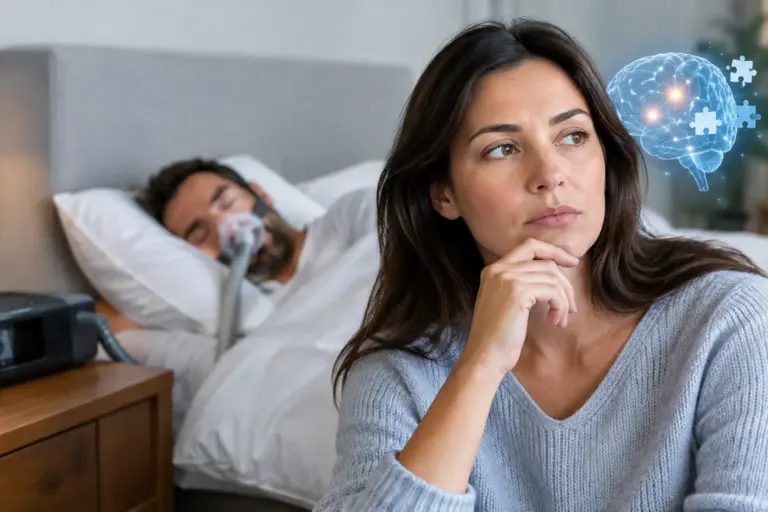
Avoid treating alcohol as a sleep aid. It may make you drowsy, but it can fragment sleep later in the night. Late caffeine can do the same, even when you believe it does not affect you. If snoring, gasping, morning headaches, restless legs, or severe daytime sleepiness are part of the picture, ask a clinician about a sleep evaluation. Sleep apnea and other sleep disorders can intensify cognitive symptoms and deserve direct treatment.
Support the Basics Without Overloading Yourself
Regular meals with adequate protein, fiber-rich plants, and healthy fats can help stabilize energy. Hydration matters too, particularly for people with dizziness or symptoms that worsen when standing. However, fluid and salt strategies are not right for everyone, especially people with heart, kidney, or blood pressure concerns. Personalized medical guidance matters.
Gentle movement may help some people regulate sleep and mood, but intensity is the key trade-off. A short, tolerable walk or mobility session can be useful. A workout that causes a crash is not a victory. Let symptoms, heart rate guidance from your clinician, and next-day recovery determine the dose.
Know When Brain Fog Needs Medical Attention
Long COVID symptoms should not be used to explain away every new neurological concern. Seek urgent care for sudden confusion, trouble speaking, facial drooping, one-sided weakness or numbness, a severe new headache, fainting, chest pain, or significant shortness of breath.
For persistent brain fog, a healthcare professional can help rule out contributors such as thyroid dysfunction, anemia, vitamin deficiencies, medication effects, depression, anxiety, sleep disorders, migraines, or uncontrolled blood sugar. They may also assess for dysautonomia, including postural orthostatic tachycardia syndrome, when symptoms include racing heart, dizziness, or feeling worse upright.
This is not about being dismissed into a checklist of normal lab results. It is about identifying what is treatable while documenting patterns that can guide a more targeted long COVID care plan.
Where Natural Brain Support Fits
Supplements should support a recovery plan, not replace medical care, sleep, pacing, or nutrition. Be especially cautious with stacks marketed as instant cognitive enhancers. Stimulant-heavy formulas can worsen anxiety, palpitations, insomnia, and the push-crash cycle that many people with long COVID know too well.
A more intelligent approach asks a different question: what helps create better conditions for the brain’s own overnight recovery processes? That is the category Glymphatic.com focuses on. My Brain Restore™ is designed around natural glymphatic-system support and is best considered as one part of a broader brain-maintenance routine, not a cure or a substitute for clinical evaluation.
If you take prescription medicines, manage a chronic condition, are pregnant or nursing, or are considering any new supplement after a complicated illness, review it with a qualified healthcare professional first. Natural does not automatically mean appropriate for every person.
Give Your Brain a Smaller Battlefield
Long COVID can make ordinary life feel like a test of endurance. The answer is not to demand that your brain perform as if nothing happened. Protect sleep. Reduce preventable overload. Track what triggers cognitive crashes. Ask for evaluation when symptoms persist or change.
Your brain is built to recover, but recovery is easier when you stop treating exhaustion as a challenge to overcome and start treating it as a signal worth respecting.