TBI vs CTE Symptoms and the Key Differences
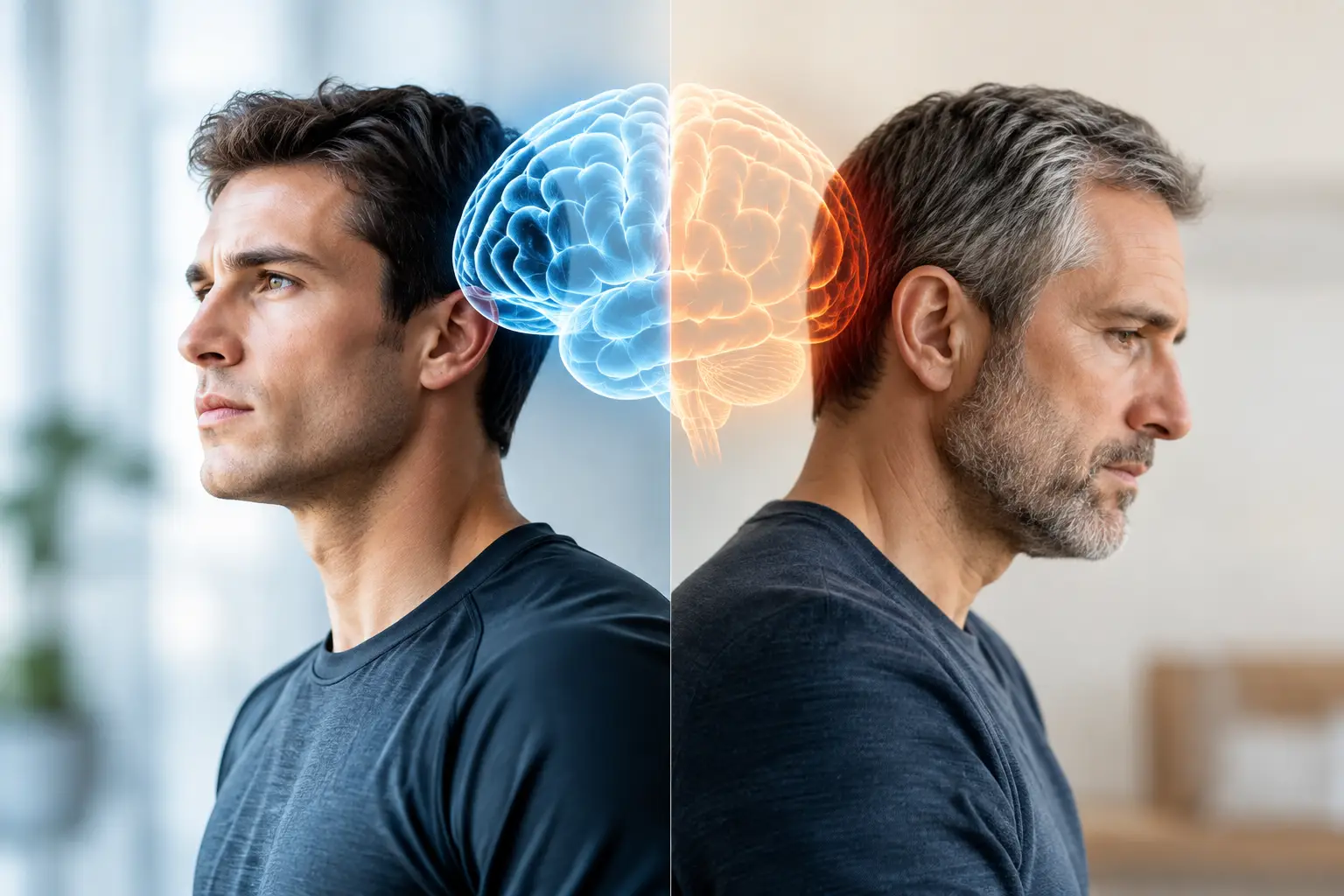
A concussion that clears in weeks and a brain injury that changes someone years later can both begin with the same unsettling complaints: headaches, poor sleep, irritability, brain fog, and trouble concentrating. That overlap is why TBI vs CTE symptoms can be confusing – and why guessing is not a safe strategy. A traumatic brain injury is an event or injury diagnosis. Chronic traumatic encephalopathy, or CTE, is a progressive brain disease associated with repeated head impacts. They are related, but they are not interchangeable.
For anyone with a concussion history, years in contact sports, military blast exposure, falls, or repeated workplace impacts, the distinction matters. The right next step may be urgent medical assessment, structured rehabilitation, better sleep protection, or a more thorough review of long-term cognitive and mood changes.
TBI vs CTE Symptoms: The Central Difference
A traumatic brain injury (TBI) happens when an external force disrupts normal brain function. It may result from a fall, car crash, assault, sports collision, blast exposure, or other impact. TBIs range from mild concussions to severe injuries involving prolonged unconsciousness, bleeding, or structural damage seen on brain imaging.
Symptoms often begin immediately or shortly after the event. Some people improve steadily within days or weeks. Others develop persistent post-concussion symptoms that can last months or longer. Recovery depends on the injury’s severity, prior injuries, age, sleep, mental health, medications, neck injury, and access to appropriate care.
CTE is different. It is a neurodegenerative disease linked to long-term exposure to repetitive head impacts, including impacts that may not cause a diagnosed concussion. The characteristic brain changes involve an abnormal accumulation of tau protein in a specific pattern. At present, CTE can only be definitively diagnosed after death through examination of brain tissue.
That limitation is critical. A living person with memory issues, depression, anger, or balance problems cannot be told they have CTE based on symptoms alone. Those symptoms can arise from many treatable conditions, including sleep apnea, medication effects, depression, anxiety, thyroid problems, vitamin deficiencies, alcohol use, chronic pain, PTSD, stroke, and the lasting effects of a prior TBI.
Symptoms More Common After a TBI
TBI symptoms usually have a clear relationship to a particular injury. The early pattern can include headache, dizziness, nausea, sensitivity to light or sound, blurred vision, fatigue, slowed thinking, and difficulty focusing. Some people feel detached or mentally “off,” while others become more emotional, anxious, or irritable than usual.
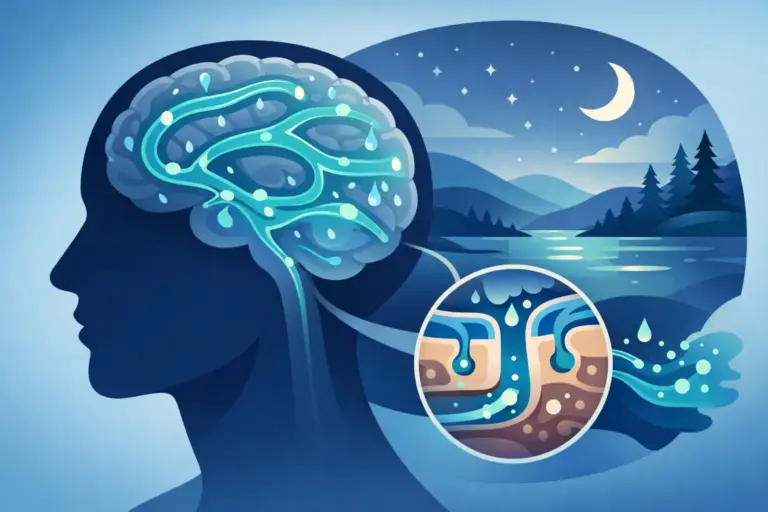
Sleep disruption is especially common. A person may sleep far more than normal, struggle to fall asleep, wake repeatedly, or feel unrefreshed despite spending enough time in bed. This is not a minor inconvenience. Deep, restorative sleep is when the brain performs much of its recovery work, including activity within the glymphatic system, its sleep-linked waste-clearance network.
Persistent symptoms after a concussion do not automatically mean the injury is worsening. But they do deserve evaluation. Vestibular problems, vision changes, migraine, cervical spine injury, autonomic dysfunction, and mood symptoms can all keep recovery stalled if they are missed.
Red Flags That Need Emergency Care
After a recent head injury, call 911 or seek emergency care for worsening headache, repeated vomiting, seizure, increasing confusion, unusual behavior, weakness or numbness, slurred speech, unequal pupils, loss of consciousness, or difficulty waking the person. These can signal bleeding or dangerous swelling in the brain.
Do not wait for symptoms to become dramatic if the person is taking blood thinners, is older, has a bleeding disorder, or suffered a high-force impact. The threshold for urgent assessment should be lower.
Symptoms That Raise Concern in Repetitive-Impact Histories
CTE cannot be diagnosed by a symptom checklist. Still, clinicians may pay close attention when progressive changes appear in someone with substantial exposure to repetitive head impacts over years.
The concerns often discussed include worsening memory, impaired judgment, impulsivity, difficulty planning, depression, anxiety, emotional volatility, aggression, apathy, and suicidal thoughts. Some people may develop movement-related symptoms such as tremor, slowed movement, poor balance, or problems with coordination. Others have speech or language changes.
The pattern is often more important than any single symptom. A headache after a hard hit is a familiar acute TBI symptom. Gradually increasing difficulty managing finances, regulating behavior, remembering conversations, or maintaining relationships years after a long repetitive-impact history is a different clinical picture that warrants a comprehensive neurological and mental health evaluation.
Even then, certainty is not possible during life. Responsible care means investigating what can be identified and treated now rather than assuming every cognitive or emotional change is CTE.
Why Sleep and Brain Clearance Belong in the Conversation
A brain recovering from injury needs more than time. It needs conditions that support repair: consistent sleep, adequate nutrition, managed stress, physical activity when medically cleared, and treatment for conditions that fragment sleep or strain the nervous system.
The glymphatic system has reshaped how scientists think about nighttime brain maintenance. During sleep, especially deep sleep, fluid movement around brain cells helps clear metabolic waste products and proteins from the brain. Research into this system is still evolving, and it does not prove that improving glymphatic function prevents or treats CTE. But it does reinforce a practical truth: chronic poor sleep is not compatible with optimal brain recovery.
For someone with TBI symptoms or a history of repetitive impacts, untreated sleep apnea, frequent alcohol use, sedating medications, irregular sleep schedules, and ongoing nighttime awakenings can intensify fatigue, brain fog, mood changes, and memory complaints. Addressing those factors may not explain every symptom, but it can materially improve day-to-day function and give clinicians a clearer picture of what remains.
My Brain Restore™ was developed around this overlooked opportunity: supporting the brain’s natural, sleep-dependent glymphatic maintenance with a rare plant seed preserved through Ultra Chill Milled™ technology. It is not a diagnosis, treatment, or substitute for medical care after head injury. It belongs, if at all, inside a broader brain-health plan built with realistic expectations.
How to Get a More Useful Evaluation
Start with the timeline. When did symptoms begin? Was there one identifiable injury, or years of repetitive hits? Are symptoms stable, improving, fluctuating, or clearly progressing? Bring this history to a primary care clinician, neurologist, concussion specialist, sports medicine physician, or rehabilitation provider.
A useful assessment may include neurological examination, cognitive screening or formal neuropsychological testing, review of sleep quality, mood screening, medication review, and imaging when clinically indicated. Brain scans can help rule out certain injuries or other conditions, but a normal scan does not erase symptoms, and an abnormal scan does not by itself diagnose CTE.
Be specific about daily changes. Instead of saying “my memory is bad,” note whether you are missing appointments, repeating questions, getting lost on familiar routes, making uncharacteristic financial decisions, or struggling to follow work conversations. Concrete examples help clinicians distinguish attention problems, memory impairment, depression, sleep deprivation, and other possible drivers.
Protect the Brain You Have Today
The most decisive action after a concussion is preventing another impact before recovery. Follow return-to-work, return-to-play, and driving guidance from a qualified clinician. Pushing through symptoms can prolong recovery and increases risk when another injury occurs.
For long-term brain resilience, protect deep sleep, address snoring and possible sleep apnea, limit alcohol, stay physically active within medical guidance, manage cardiovascular risks, and seek care for depression, anxiety, or trauma symptoms. If suicidal thoughts, severe agitation, or dangerous behavior are present, contact emergency services or the 988 Suicide & Crisis Lifeline immediately.
A history of head impacts deserves attention, not fatalism. The brain is not asking for panic or self-diagnosis. It is asking for careful evaluation, fewer preventable hits, and the daily conditions that give recovery and long-term maintenance a real chance.