How to Protect Brain During Aging, Starting Tonight
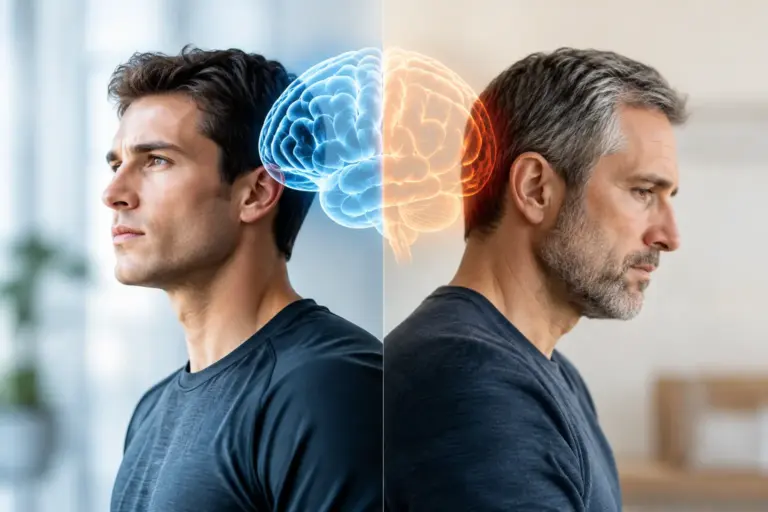
Aging does not begin with a forgotten name or a missed appointment. It begins much earlier, in the quiet biological shifts that affect blood flow, inflammation, sleep depth, metabolism, and the brain’s ability to clear the waste produced by every busy day.
If you want to protect brain during aging, the question is not simply, “What supplement should I take?” The more urgent question is: are you protecting the nightly recovery system your brain depends on to maintain itself?
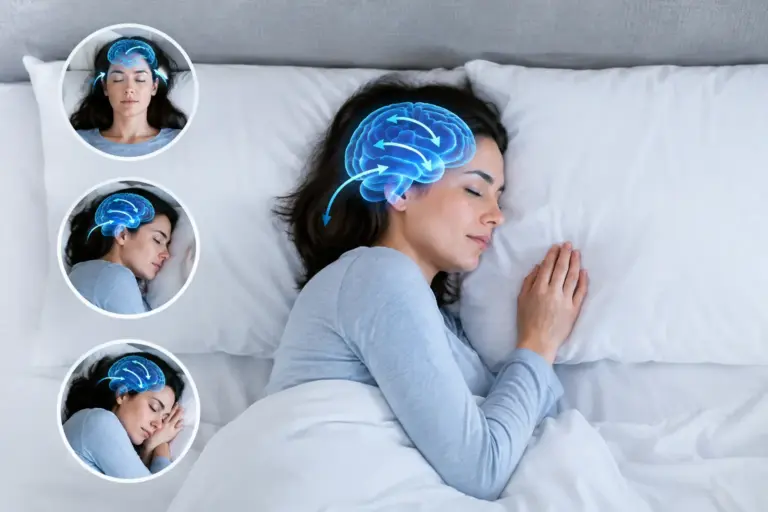
Your brain is not designed to run continuously without maintenance. During deep sleep, the glymphatic system helps move fluid through brain tissue and clear metabolic waste. When this process is repeatedly disrupted by poor sleep, untreated sleep apnea, alcohol, chronic stress, inactivity, or vascular problems, the brain may lose one of its most essential recovery windows.
Why brain aging is also a cleanup problem
For decades, most brain-health conversations focused on neurons, neurotransmitters, and genetics. Those matter. But they do not tell the whole story.
The glymphatic system has changed how researchers think about brain maintenance. This network uses cerebrospinal fluid and pathways around blood vessels to help wash away proteins and metabolic byproducts from the brain, especially during deep, restorative sleep. Think of it as a nighttime sanitation system for an organ that never truly clocks out.
With age, this cleanup process can become less efficient. Blood vessels may stiffen. Sleep can become lighter and more fragmented. Inflammation can rise. The brain’s water-channel systems may not work as effectively as they once did. None of this guarantees cognitive decline, but it helps explain why protecting sleep and circulation is not a luxury for older adults. It is foundational brain maintenance.
This is also why a sharp mind cannot be reduced to crossword puzzles alone. Mental stimulation has value, but the brain also needs oxygen-rich blood, stable glucose, movement, deep sleep, and time to perform its own repair and clearance work.
How to protect brain during aging with the right priorities
The highest-impact plan is rarely exotic. It is a disciplined effort to protect the biological conditions that allow the brain to recover night after night.
Treat deep sleep as brain maintenance
Deep sleep is when glymphatic activity appears to be most active. That makes sleep quality more consequential than simply hitting a number of hours in bed.
Start by protecting a consistent sleep and wake time, including weekends when possible. Keep the bedroom cool, dark, and quiet. Get outdoor light early in the day to anchor your circadian rhythm, and reduce bright screens and intense stimulation before bed. These basics sound ordinary because they are. Their effects are not ordinary when repeated for years.
If you snore loudly, wake gasping, experience morning headaches, or remain exhausted after a full night in bed, do not dismiss it as normal aging. Sleep apnea can fragment deep sleep and stress the cardiovascular system at the same time. A proper evaluation may be one of the most powerful steps you can take for long-term brain protection.
Alcohol deserves special attention. It may make some people feel sleepy, but sleepiness is not restorative sleep. Alcohol can disrupt the second half of the night, reduce sleep quality, and leave the brain with less time in the stages most associated with recovery.
Defend blood vessels because they feed the brain
The brain is intensely dependent on circulation. It uses a disproportionate share of the body’s energy, and its small vessels are vulnerable to years of elevated blood pressure, insulin resistance, smoking, and sedentary living.
Know your blood pressure. High blood pressure can damage delicate cerebral vessels long before a person notices memory changes. Work with a qualified clinician to manage hypertension, diabetes, high cholesterol, and other cardiovascular risks. This is not separate from brain health. It is brain health.
Food patterns matter here too. A brain-supportive plate emphasizes vegetables, fruit, beans, nuts, fish or other quality proteins, olive oil, and minimally processed foods. The goal is not perfection or a punishing diet. It is to reduce the steady vascular and metabolic strain created by ultra-processed foods, excess added sugar, and frequent overeating.
For some people, a highly restrictive approach creates stress, social isolation, or rebound eating. A sustainable pattern that improves blood pressure, blood sugar, and energy is more useful than a short-lived plan that looks impressive on paper.
Move enough to change your biology
Exercise supports the aging brain through several routes: better circulation, improved insulin sensitivity, lower inflammation, stronger mood regulation, and better sleep pressure at night. It may also support growth factors involved in brain plasticity.
Aim for a mix of aerobic activity and strength training. Brisk walking, cycling, swimming, dancing, or hiking can all count. Strength work matters because preserving muscle helps support glucose control, balance, independence, and resilience as the years pass.
The best routine is the one you can repeat. A daily 30-minute walk and two weekly strength sessions may do more for your future brain than an ambitious program abandoned after three weeks. If you have neurological symptoms, balance challenges, heart disease, or a history of injury, get individualized guidance before pushing intensity.
Protect your brain from chronic inflammation and isolation
Inflammation is not a single enemy to eliminate. It is part of normal immune function. The concern is chronic, unresolved inflammation driven by poor sleep, metabolic dysfunction, smoking, untreated infections, ongoing stress, or inflammatory disease.
Stress management is not soft advice when brain aging is the concern. Long-term stress can interfere with sleep, raise blood pressure, worsen blood sugar control, and make healthy routines harder to sustain. Build a daily decompression practice that you will actually use: a walk without your phone, breathing exercises, prayer, journaling, time in nature, or a conversation with someone who makes you feel grounded.
Social connection belongs in the same category. Isolation is associated with worse health outcomes and can quietly shrink the number of activities that challenge and engage the brain. Protect relationships with the same seriousness you give to a workout schedule.
When brain fog is a signal, not a personality trait
Brain fog, word-finding difficulty, dizziness, persistent fatigue, or declining focus should not automatically be blamed on getting older. They can be related to sleep disruption, medication effects, thyroid problems, depression, nutrient deficiencies, metabolic issues, long COVID, concussion history, or other conditions that deserve attention.
The right response is neither panic nor denial. Track what is changing, when it began, what affects it, and whether it is progressing. Bring those observations to a healthcare professional, especially if symptoms are sudden, worsening, or accompanied by weakness, confusion, severe headache, vision changes, or trouble speaking.
A proactive evaluation can reveal treatable contributors. It can also help you build a more precise prevention plan instead of relying on generic advice.
Supporting the glymphatic system as part of a larger plan
There is no single pill that can replace sleep, exercise, blood-pressure control, or medical care. Anyone promising that is selling a shortcut the brain does not recognize.
But targeted support can have a place within a disciplined routine. Glymphatic.com created My Brain Restore™ around support for the glymphatic system, using a rare plant seed preserved with Ultra Chill Milled™ technology. It is designed for people who want to support sleep-related brain recovery and long-term neurological wellness alongside the habits that make clearance and repair possible.
Use any supplement with discernment, particularly if you take prescription medications, are pregnant or nursing, or manage a medical condition. Natural does not mean universally appropriate, and a product should complement professional care rather than delay it.
The opportunity in brain aging is larger than fear. Every night offers another recovery window. Every walk improves the conditions that support circulation. Every decision to address snoring, stress, blood pressure, or inactivity helps defend the brain tissue you will rely on tomorrow.
Start with the habit that most improves your next night of sleep. Your brain’s maintenance crew is already built in. Give it the conditions to do its work.