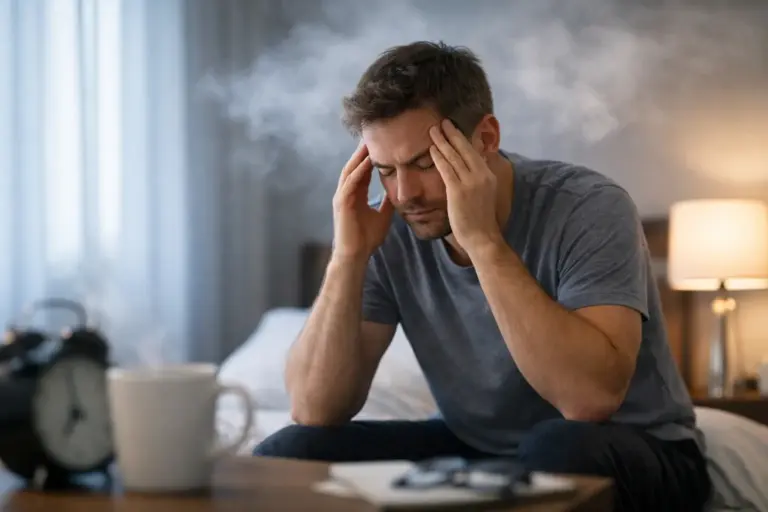
How Concussion History Affects Sleep and Brain Repair
A concussion can be called “mild” in a medical chart while leaving a very real imprint on the nights that follow. For many people, the obvious symptoms fade, but sleep becomes lighter, less predictable, or strangely unrefreshing. Understanding how concussion history affects sleep matters because sleep is not passive downtime. It is one of the brain’s primary recovery windows.
A past concussion does not guarantee lifelong sleep trouble. Many people recover fully. But repeated injuries, unresolved symptoms, coexisting migraines, stress, pain, and changes in mood can all make disrupted sleep more likely. For a brain already asked to recover from an impact, protecting deep, restorative sleep is not a luxury. It is part of the maintenance plan.
How Concussion History Affects Sleep
A concussion is a form of traumatic brain injury caused by a blow, jolt, or force that makes the brain move inside the skull. That movement can temporarily disrupt the brain networks that regulate alertness, sleep timing, emotion, balance, pain, and attention. The result is often a confusing mix: someone may feel exhausted all day but unable to fall asleep at night, or sleep for long hours and still wake up mentally foggy.
Sleep changes can begin immediately after an injury, but they may also persist or reappear later. Research and clinical experience link concussion history with insomnia, fragmented sleep, excessive daytime sleepiness, altered sleep-wake rhythms, nightmares, and sleep-disordered breathing. The exact pattern varies from person to person.
This variability is why “just get more sleep” is not enough advice. A person who spends nine restless hours in bed is not necessarily getting the deep, continuous sleep their brain needs. Quality, timing, and continuity matter.
The brain’s sleep control systems can be disrupted
Sleep depends on coordinated signaling between multiple regions of the brain, including areas involved in circadian rhythm, arousal, and the transition into deeper sleep stages. After a concussion, these systems may become less synchronized. Light exposure at night, inconsistent wake times, late caffeine, alcohol, and chronic stress can further aggravate an already vulnerable rhythm.
For some people, the injury also creates symptoms that interfere with sleep indirectly. Headaches, neck pain, dizziness, ringing in the ears, light sensitivity, anxiety, depression, and intrusive worry can all make it harder to settle into sleep or stay asleep once it begins.
Deep sleep may be especially relevant to brain recovery
During deep non-REM sleep, the brain appears to increase activity in the glymphatic system, a clearance pathway that helps move fluid through brain tissue and carry away metabolic waste. Scientists are still learning exactly how this system behaves in humans after traumatic brain injury, but the core message is clear: deep sleep supports essential housekeeping work in the brain.
That matters after concussion because injury creates a period of heightened biological demand. The brain must manage inflammation, altered energy use, and cellular repair. Repeatedly interrupted sleep may make that recovery environment less favorable, especially when poor sleep continues for months or years.
The glymphatic system is not a magic explanation for every symptom, and no supplement replaces medical evaluation or healthy sleep habits. But it gives us a powerful reason to take sleep quality seriously. The sleeping brain is active. It is repairing, regulating, and clearing.
Why Old Concussions Can Still Affect Sleep Years Later
Some people with a remote concussion history assume a current sleep problem cannot be related because the injury happened years ago. Sometimes that is true. Sleep apnea, medication effects, menopause, depression, chronic pain, thyroid conditions, and normal aging can all affect sleep independently.
Still, a prior brain injury may be part of the picture. A concussion can leave behind vulnerabilities that become more noticeable during periods of stress, illness, hormonal change, additional head impacts, or aging. Someone who once slept easily may find that a demanding job, a migraine flare, or a second injury exposes an underlying tendency toward insomnia or unrefreshing sleep.
Repeated concussions deserve particular attention. More injuries can mean more opportunity for sleep-regulating networks and recovery processes to be disrupted. That does not mean decline is inevitable. It means prevention and recovery habits deserve more urgency than they often receive.
Poor sleep can amplify post-concussion symptoms
The relationship runs both ways. Concussion symptoms can disrupt sleep, and poor sleep can intensify symptoms commonly associated with concussion. When sleep is broken, people may notice more brain fog, slower recall, irritability, low frustration tolerance, headaches, reduced exercise tolerance, and daytime fatigue.
This feedback loop can be frustrating because it makes recovery feel unpredictable. A better night may bring clearer thinking. A run of bad nights may make old symptoms feel new again. Recognizing the pattern helps shift the goal from simply enduring symptoms to actively protecting the conditions that support recovery.
Sleep Problems That Deserve a Closer Look
Not every restless night is a warning sign. But persistent sleep symptoms after a concussion, or in someone with a concussion history, should not be dismissed as a personality flaw or an unavoidable part of getting older.
Consider discussing sleep with a qualified clinician if you have four or more of these concerns:
- Trouble falling asleep or waking frequently for more than a few weeks
- Loud snoring, gasping, witnessed pauses in breathing, or severe daytime sleepiness
- Headaches that are worse on waking or increasingly frequent
- New memory problems, mood changes, balance issues, or declining work performance
- Nightmares, panic on waking, or major shifts in sleep timing
- A recent head injury followed by worsening symptoms, repeated vomiting, confusion, weakness, seizure, or unusual behavior
Urgent symptoms after a new head injury require prompt medical assessment. Do not try to self-manage red flags with sleep aids, supplements, or willpower.
Protecting Sleep After a Concussion History
The most effective strategy is usually not a single hack. It is a consistent set of signals that tells the brain when to be alert and when to recover. Start with a stable wake time, including weekends. Morning outdoor light helps anchor circadian timing, while bright light and screens late at night can push sleep later for sensitive people.
Build a quieter runway into bed. Keep the bedroom cool, dark, and reserved for sleep when possible. If headaches or neck discomfort are part of the problem, address them with a clinician rather than simply adding more pillows or over-the-counter sedatives. Pain that repeatedly wakes you deserves a plan.
Caffeine is another frequent blind spot. A person with concussion-related fatigue may rely on coffee throughout the day, then wonder why their nervous system will not power down at night. Moving caffeine earlier can help. Alcohol may seem sedating, but it commonly fragments the second half of the night and can worsen snoring or sleep apnea.
Exercise can support sleep and cognitive health, but intensity should match symptoms and medical guidance. Some people benefit from gentle walking or gradually progressed aerobic activity; others need a more individualized rehabilitation plan. Pushing through significant dizziness, headache, or post-exertional worsening is not proof of toughness.
For people who want nutritional support alongside these fundamentals, Glymphatic.com’s My Brain Restore™ is positioned around natural support for the glymphatic system. It should be viewed as one part of a larger brain-health routine, not as a substitute for diagnosis, concussion care, or treatment for a sleep disorder.
A Better Question Than “Did I Sleep Long Enough?”
Instead of focusing only on total hours, ask whether you are waking restored. Are you more mentally clear after several consistent nights? Do headaches, mood, and concentration change when sleep becomes more regular? These observations can help you and your clinician identify whether sleep is a major lever in your recovery.
If a concussion history has changed your nights, the goal is not to chase perfect sleep. It is to give your brain a dependable opportunity to do the repair work it was designed to do, night after night.